
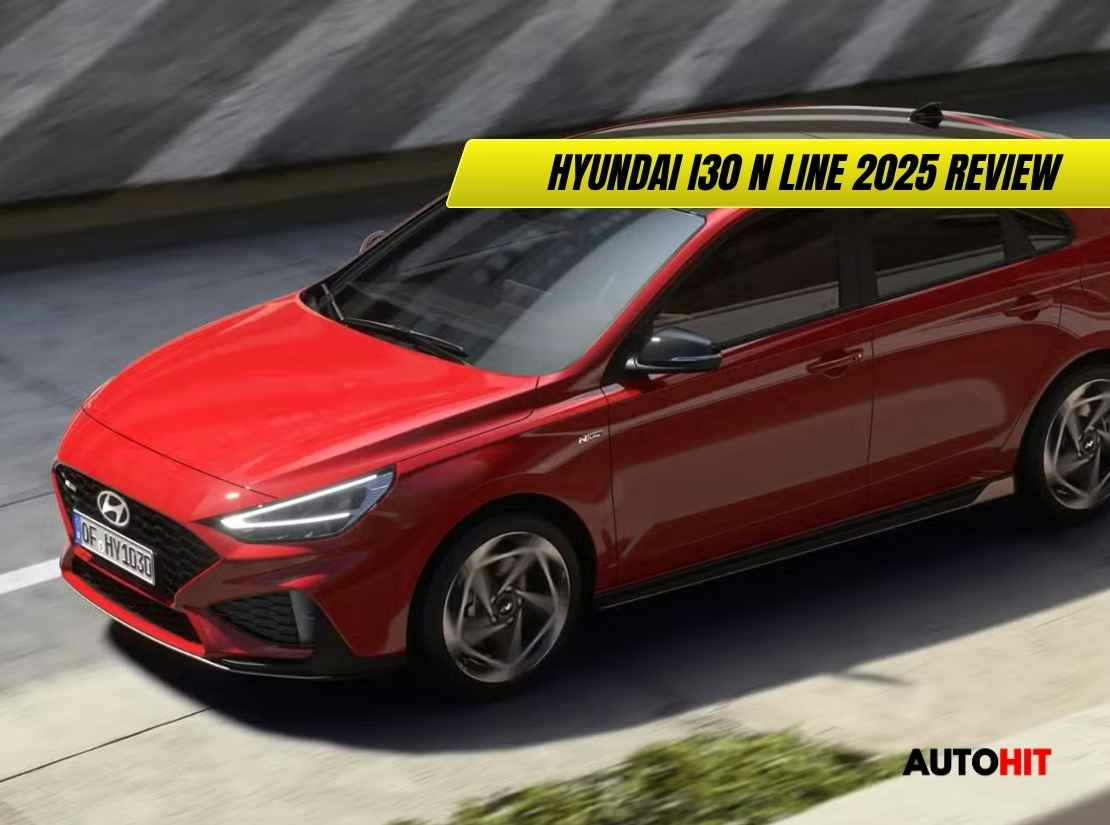
Our Hyundai i30 N Line 2025 review explores the refreshed sporty hatchback with 159bhp mild-hybrid power, updated tech and £27,470 starting price. Does it rival the Golf GTI?
The compact family hatchback segment has become increasingly challenging territory for manufacturers, with buyers migrating towards SUVs while those remaining demand ever-higher levels of sophistication and technology. Enter the refreshed 2025 Hyundai i30 N Line, a model that attempts to bridge the gap between everyday practicality and sporting aspirations without the full commitment of a hot hatchback. According to our analysis at AutoHit, this positioning represents both opportunity and risk in a market where compromise often satisfies nobody.
Having driven the outgoing i30 extensively, we approached this latest iteration with considerable interest. The N Line trim has always represented Hyundai’s attempt to offer sporting appeal without hot hatch running costs, but previous efforts sometimes felt like aesthetic exercises rather than genuine dynamic improvements. This 2025 refresh promises more substantial changes, from mild-hybrid powertrains to enhanced technology and refined styling.
The question remains whether Hyundai has successfully created a compelling middle ground between the standard i30’s sensible practicality and the full-fat i30 N’s uncompromising performance focus. For British families seeking a hint of sporting character without sacrificing daily usability, the i30 N Line occupies potentially valuable territory – if executed correctly.
Key Highlights
- Refreshed Styling: Sharper exterior design with distinctive N Line elements including 18-inch alloys and aggressive bodywork enhancements
- Mild-Hybrid Power: 159bhp 1.5-litre turbo petrol engine with 48V mild-hybrid assistance for improved efficiency and response
- Enhanced Technology: Standard 10.25-inch infotainment display with wireless connectivity and over-the-air map updates
- Sporting Credentials: Tuned suspension, sports seats, and performance-inspired interior details distinguish it from standard i30 models
- Competitive Pricing: Starting from £27,470, positioning it strategically below premium hot hatches whilst offering sporting appeal
- Practical Foundation: Retains 395-litre boot capacity and five-seat practicality of the standard i30 platform
Design Evolution: Sharper and More Focused
Exterior Transformation
The 2025 i30 N Line benefits from Hyundai’s latest design language, creating a notably sharper and more contemporary appearance compared to its predecessor. The refreshed front end features a redesigned grille, updated bumper, and new LED headlight signatures that immediately differentiate this generation from earlier versions.
The N Line-specific aesthetic enhancements prove more substantial than typical sport trim additions. The front grille adopts a distinctive honeycomb pattern, whilst the lower bumper incorporates more aggressive air intakes with dark metallic inserts. Side skirts and rear bumper modifications enhance the sporting theme without appearing overly dramatic for everyday use.
At 4.34 metres long, 1.80 metres wide, and 1.46 metres tall, the i30 maintains compact dimensions that suit British urban conditions whilst providing adequate interior space. The N Line’s 18-inch alloy wheels fill the arches more convincingly than smaller alternatives, contributing to the more purposeful stance without compromising ride quality excessively.
The rear design receives equal attention, with new V-shaped LED tail-light signatures and a revised bumper that emphasises width. These changes successfully modernise the i30’s appearance whilst maintaining the accessible character that has made it popular with British families.
Interior Sophistication
The cabin transformation addresses previous criticisms about material quality and technology integration. The dashboard now features improved surface finishes, including a special coating that provides a more premium tactile experience compared to typical hard plastics found in budget-focused competitors.
Sports seat options provide four upholstery choices, from practical cloth through combination materials to full leather, catering to different priorities and budgets. The N Line-specific seats feature horizontal line patterns that add visual interest whilst providing improved side support compared to standard i30 alternatives.
Technology integration sees significant improvement through the standard 10.25-inch digital instrument cluster and central infotainment display. The system supports wireless Apple CarPlay and Android Auto connectivity whilst introducing over-the-air map updates – features that bring the i30 closer to premium segment standards.
Mild-Hybrid Powertrain: Efficiency Meets Response
1.5-Litre Turbo Performance
The i30 N Line’s 159bhp 1.5-litre turbocharged petrol engine represents a substantial improvement over the entry-level alternatives, providing adequate performance for sporting aspirations without hot hatch running costs. The 48V mild-hybrid system supplements the petrol engine during acceleration whilst enabling engine-off coasting and start-stop refinement.
Real-world performance feels appropriately brisk for the positioning, with sufficient torque delivery for confident overtaking and spirited country road driving. The mild-hybrid assistance proves particularly beneficial during urban driving, where the electric boost smooths low-speed operation and reduces reliance on the turbocharger.
Fuel efficiency remains competitive despite the performance focus, with official consumption figures around 42-45mpg in mixed driving conditions. This efficiency advantage over conventional hot hatches makes the N Line appealing for families seeking sporting character without premium fuel bills.
Transmission Options
Both six-speed manual and seven-speed dual-clutch automatic transmissions are available, each offering distinct characteristics suited to different driving priorities. The manual provides direct engagement appreciated by driving enthusiasts, whilst the DCT delivers convenience for urban commuting.
Our experience suggests the DCT occasionally feels hesitant in economy mode, prioritising efficiency over responsiveness. However, selecting sportier drive modes transforms the transmission character, providing quicker shifts and more aggressive gear holding that better suits the N Line’s sporting intentions.
The manual option maintains traditional appeal for those prioritising driver involvement, though the automatic proves more practical for daily British driving conditions where stop-start traffic dominates many journeys.
Driving Experience: Sporting Intent, Daily Usability
Chassis Tuning
The N Line receives specific suspension tuning that noticeably differentiates it from standard i30 models without approaching the hardcore setup of the i30 N. The result provides improved body control and steering precision whilst maintaining ride quality suitable for family use.
On British roads, this balance proves generally successful. The firmer suspension setup reduces body roll during cornering whilst absorbing most road imperfections without harshness. Only the largest potholes and most aggressive speed bumps reveal the sporting bias, and even then, the compromise remains acceptable for most users.
Steering weight and response improve compared to standard i30 variants, providing better feedback and precision without becoming overly heavy for parking manoeuvres. The enhancement successfully bridges the gap between family car ease-of-use and sporting engagement.
Real-World Performance
In practice, the i30 N Line delivers on its promise of sporting character without hot hatch extremes. The 159bhp output provides sufficient performance for confident driving, whilst the chassis modifications enhance handling precision without compromising daily usability.
Motorway refinement impresses particularly, with minimal wind noise and comfortable cruising characteristics. The mild-hybrid system operates seamlessly, providing electric assistance during acceleration whilst enabling efficient cruising through intelligent engine management.
Urban driving benefits from the sporting enhancements without penalty, as the improved steering precision aids parking accuracy whilst the suspension tuning doesn’t introduce harshness during low-speed manoeuvring.
Technology and Interior Quality
Infotainment Excellence
The 10.25-inch central display represents a significant advancement over previous i30 systems, providing responsive operation and logical menu structures. The wireless connectivity proves reliable during our testing, eliminating cable management frustrations whilst maintaining stable connections.
Navigation integration benefits from over-the-air updates that keep mapping current without requiring dealer visits – a convenience feature that demonstrates Hyundai’s commitment to long-term user experience. The system responds promptly to inputs whilst providing clear graphical presentation.
Physical controls for climate and audio functions remain, addressing criticisms of rivals that prioritise screen integration over practical usability. This approach proves sensible for daily operation, allowing quick adjustments without menu navigation distractions.
Safety and Driver Assistance
Comprehensive driver assistance systems come standard, including autonomous emergency braking, lane-keeping assistance, and intelligent speed limit recognition. These systems integrate well into the driving experience without excessive intervention or false alerts.
The adaptive cruise control proves particularly effective for motorway driving, maintaining smooth speed control and following distances that reduce driver fatigue during longer journeys. The system responds appropriately to traffic conditions whilst remaining easy to override when required.
UK Market Position and Value
Competitive Landscape
Priced from £27,470, the i30 N Line occupies interesting territory between conventional family hatchbacks and entry-level hot hatches. This positioning undercuts the Volkswagen Golf GTI significantly whilst offering more sporting character than mainstream alternatives.
Direct rivals include the Ford Focus ST-Line, SEAT Leon FR, and Skoda Octavia vRS, each offering different approaches to the sporting family hatchback concept. The i30 N Line’s advantage lies in its comprehensive equipment levels and Hyundai’s excellent warranty coverage.
Compared to the full i30 N hot hatch, the N Line provides 70% of the performance and character for considerably less money and running cost penalty. For families seeking sporting appeal without hot hatch compromises, this value proposition proves compelling.
Equipment and Value
Standard equipment levels impress across the range, with the 10.25-inch displays, wireless connectivity, and comprehensive safety systems typically reserved for higher trim levels on rival vehicles. This generous specification helps justify the premium over entry-level alternatives.
The five-year unlimited mileage warranty provides additional value consideration, offering peace of mind that few competitors match. Combined with Hyundai’s improving reliability reputation, this coverage addresses traditional concerns about Korean vehicle ownership.
Hyundai i30 N Line Specifications
| Specification | Detail |
|---|---|
| Engine | 1.5L turbo petrol + 48V mild-hybrid |
| Power | 159bhp |
| Torque | 253Nm |
| 0-62mph | 8.4 seconds (manual), 8.7 seconds (DCT) |
| Top Speed | 130mph |
| Fuel Economy | 42-45mpg (combined) |
| CO2 Emissions | 143-150g/km |
| Boot Capacity | 395-1,301 litres |
| Transmission | 6-speed manual or 7-speed DCT |
| Starting Price | £27,470 |
Practicality and Daily Living
Space and Storage
Despite the sporting focus, the i30 N Line maintains the practical advantages of the standard platform. Front seat accommodation suits most body types, with adequate headroom and legroom for daily use. The driving position adjustability enables most drivers to find comfortable seating.
Rear passenger space matches mainstream hatchback standards, providing adequate accommodation for adults during shorter journeys and comfortable transport for children and teenagers. The floor remains relatively flat, benefiting middle passenger comfort during three-abreast seating.
Boot capacity at 395 litres compares competitively with rivals whilst the wide opening and relatively low loading lip facilitate practical cargo handling. With rear seats folded, the 1,301-litre capacity accommodates larger items, maintaining family versatility despite the sporting positioning.
Interior Storage and Usability
Interior storage solutions prove thoughtful and practical, with generous door bins, useful cup holders, and adequate glovebox space. The centre console provides phone storage that doubles as wireless charging pad on higher specifications.
Build quality impresses throughout, with improved materials and fit-and-finish that addresses previous Hyundai criticisms. Everything feels substantial and well-assembled, suggesting improved long-term durability compared to earlier generations.
Controls layout emphasises usability over style, with clearly marked buttons and logical positioning that reduces learning time for new owners. This practical approach suits the i30’s family-focused mission despite the sporting aspirations.
Frequently Asked Questions
How does the i30 N Line compare to the full i30 N hot hatch?
The N Line provides approximately 70% of the i30 N’s character whilst eliminating most of the compromises associated with hot hatch ownership. Where the i30 N produces 280bhp and prioritises track capability, the N Line’s 159bhp focuses on everyday sporting appeal. The suspension tuning is firmer than standard i30 models but far more comfortable than the hardcore N setup. Fuel economy improves significantly – 42-45mpg versus the N’s 30-35mpg – whilst insurance costs and servicing requirements remain reasonable. For families wanting sporting character without hot hatch extremes, the N Line delivers most of the visual appeal and driving engagement with much greater daily practicality.
Is the mild-hybrid system worth the complexity?
Yes, the 48V mild-hybrid system provides tangible benefits without significant complexity or reliability concerns. The electric assistance smooths low-speed operation, reduces turbo lag, and enables more sophisticated start-stop operation compared to conventional systems. Fuel economy improvements of 10-15% prove meaningful for high-mileage users, whilst the system operates transparently without driver intervention. Unlike full hybrid systems, the mild-hybrid setup adds minimal weight and complexity whilst providing efficiency benefits and improved refinement. The technology has proven reliable across Hyundai’s range, making it a sensible addition rather than unnecessary complication.
How does the ride quality compare to standard i30 models?
The N Line suspension provides noticeably firmer damping and improved body control compared to standard i30 variants, but stops well short of hot hatch harshness. On smooth roads, the differences are minimal, with the N Line actually feeling more controlled and precise. However, larger potholes and aggressive speed bumps reveal the sporting bias, transmitting more impact than comfort-focused alternatives. The 18-inch wheels contribute to road noise on coarse surfaces, though not excessively. Overall, the compromise suits the positioning well – families notice improved handling precision without significant comfort penalties during normal driving.
The i30 N Line’s technology package rivals systems found in significantly more expensive vehicles. The 10.25-inch displays, wireless connectivity, and over-the-air updates match or exceed capabilities in premium hatchbacks costing £10,000+ more. The interface proves more intuitive than some German rivals that prioritise visual complexity over usability. However, the i30 lacks some advanced features like digital key support or sophisticated driver assistance that characterise the latest premium offerings. For the price point, the technology provision is excellent, though buyers seeking cutting-edge features might find limitations compared to top-tier alternatives.
Should I choose manual or automatic transmission?
The decision depends primarily on your driving environment and preferences. The six-speed manual provides more engaging driving character and slightly better fuel economy, suiting buyers who prioritise driver involvement and cover predominantly rural or suburban routes. The seven-speed DCT automatic proves more practical for urban commuting, offering smooth operation in traffic whilst providing quick shifts in sportier driving modes. The automatic’s economy mode can feel sluggish, but Sport mode transforms the character significantly. For most UK buyers facing daily traffic, the DCT’s convenience outweighs the manual’s engagement benefits, though driving enthusiasts will prefer the traditional option.
How does the warranty compare to European rivals?
Hyundai’s five-year unlimited mileage warranty significantly exceeds coverage provided by most European competitors, who typically offer three years with mileage restrictions. This coverage provides genuine peace of mind and can save thousands in repair costs during the ownership period. The warranty includes roadside assistance and covers all major components without excessive exclusions. Compared to Volkswagen’s three-year/60,000-mile coverage or Ford’s similar terms, Hyundai’s offering provides substantial additional protection. This advantage becomes more valuable as vehicles age, making the i30 N Line particularly appealing for buyers planning extended ownership periods.
Is the i30 N Line suitable for a young family?
Absolutely. The i30 N Line successfully balances sporting character with family practicality, providing adequate space for child seats, pushchairs, and family equipment whilst offering more engaging driving than conventional alternatives. ISOFIX mounting points accommodate child seats effectively, whilst the 395-litre boot easily swallows weekly shopping or baby equipment. The sporting enhancements don’t compromise safety or usability – they simply add precision and visual appeal to an already family-friendly package. The mild-hybrid system actually improves urban refinement, making school runs more pleasant. For parents wanting something more interesting than a conventional family car without hot hatch extremes, the N Line hits the sweet spot perfectly.
Pros and Cons Analysis
What We Like
- Genuine sporting character without hot hatch compromises
- Impressive technology package for the price point
- Excellent build quality and material improvements
- Comprehensive five-year warranty provides peace of mind
- Practical everyday usability maintained despite sporting focus
- Competitive pricing versus premium alternatives
Areas for Improvement
- DCT transmission feels sluggish in economy mode
- 18-inch wheels generate some road noise on coarse surfaces
- Rear visibility compromised by styling priorities
- Interior lacks the sophistication of German premium rivals
- Mild-hybrid system provides limited electric-only capability
The Verdict: Successfully Straddling Two Worlds
The 2025 Hyundai i30 N Line succeeds admirably in its mission to provide sporting appeal without hot hatch extremes, creating a compelling package for families seeking something more engaging than conventional alternatives. The comprehensive refresh addresses previous shortcomings whilst enhancing the qualities that made the i30 popular with British buyers.
Our analysis suggests the N Line occupies valuable territory in today’s polarised market, where buyers often choose between completely sensible family cars or uncompromising hot hatches. This middle ground provides most of the visual appeal and driving engagement of sporting alternatives whilst maintaining the practicality and efficiency that family life demands.
The enhanced technology package and improved interior quality help justify the premium over standard i30 models, whilst the comprehensive warranty provides additional value consideration. For buyers transitioning from German premium brands or seeking alternatives to increasingly expensive hot hatches, the i30 N Line offers compelling value.
We’ve tested enough sporting hatchbacks to recognise that successful execution requires careful balance rather than extreme positioning. The i30 N Line achieves this balance whilst providing distinctive styling and genuine dynamic improvements that enhance rather than compromise daily usability.
The reality for most British families is that hot hatch capability remains unused 95% of the time, making the N Line’s more accessible sporting character potentially more valuable than hardcore alternatives. Combined with Hyundai’s improving brand reputation and excellent warranty coverage, this refreshed i30 N Line provides a convincing argument for buyers seeking sporting appeal with family-friendly practicality.





