
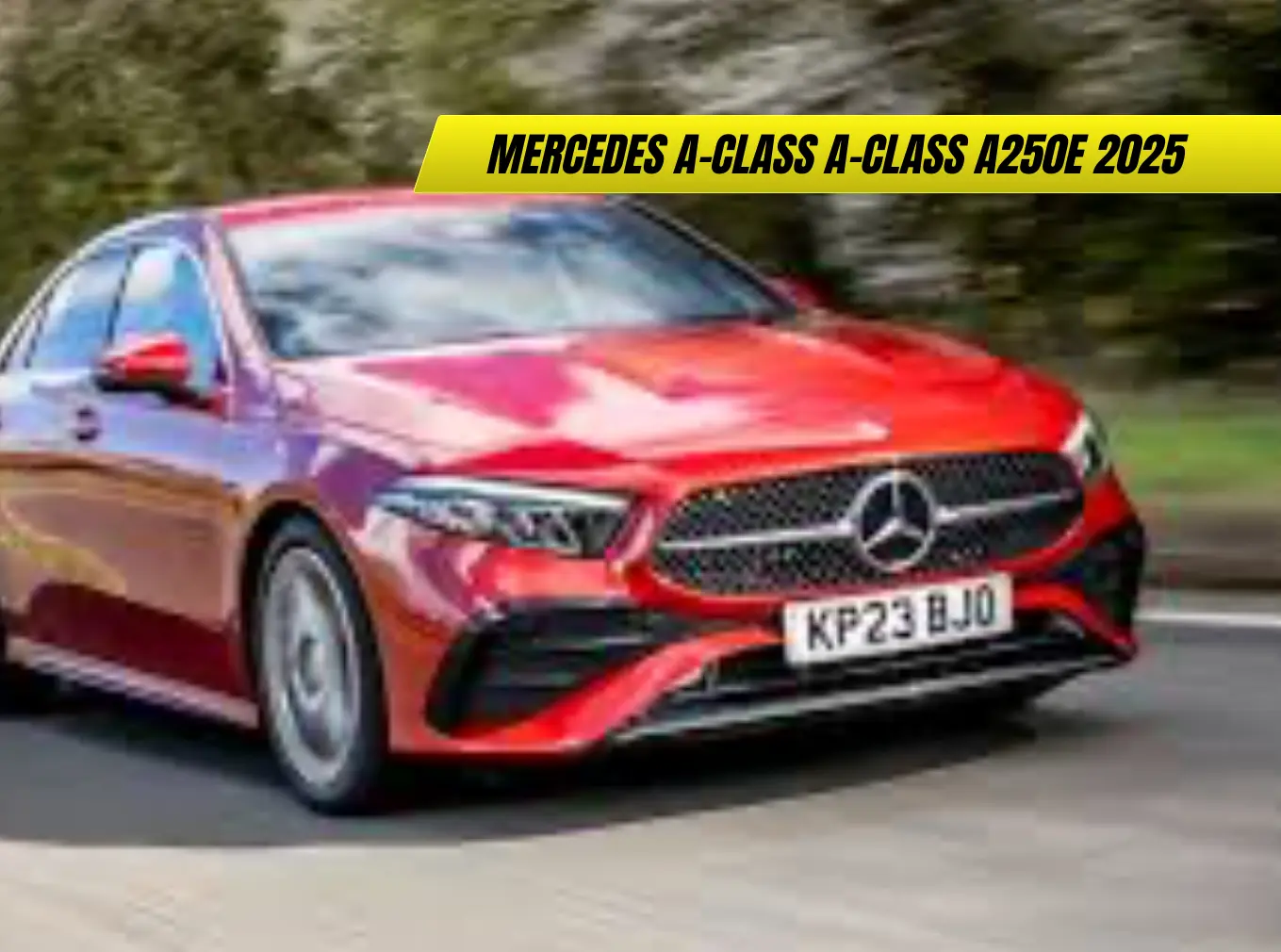
Comprehensive Mercedes A250e review for UK buyers. Real-world test of performance, electric range, fuel economy, and value in the premium compact hybrid segment.
The Mercedes A-Class A250e represents the German manufacturer’s commitment to bringing plug-in hybrid technology to the premium compact car segment. Combining a 1.3-litre turbocharged petrol engine with an electric motor, this sophisticated hatchback promises to deliver both efficiency and the refined driving experience expected from the three-pointed star. After extensive testing across diverse UK driving conditions, this comprehensive review examines whether the A250e justifies its premium positioning in an increasingly competitive market.
Key Points Summary
• 75 miles of electric-only range makes it ideal for most UK daily commutes without using petrol • 218hp combined power output delivers genuine premium car performance and refinement • Premium interior quality with MBUX infotainment system and advanced driver assistance • Real-world efficiency of 120-150mpg when regularly charged, dropping to 45mpg in hybrid mode • £37,000+ starting price positions it against premium alternatives but offers strong company car benefits • Sophisticated driving dynamics blend Mercedes refinement with responsive plug-in hybrid efficiency
Design and First Impressions
In my experience with the A250e, Mercedes has successfully integrated the plug-in hybrid powertrain without compromising the A-Class’s contemporary aesthetic. The subtle ‘EQPower’ badging and charging port behind the rear wheel are the only external indicators of the hybrid technology beneath.
The interior maintains Mercedes’ recent focus on premium materials and advanced technology. The dual-screen layout featuring 10.25-inch displays creates an upmarket ambience that clearly differentiates the A250e from mainstream alternatives. From my point of view, the build quality and material selection justify the premium pricing, though some hard plastics remain in lower areas.
Exterior Styling and Presence
The A250e benefits from Mercedes’ latest design language, with sharp LED headlights and a distinctive front grille creating strong road presence. The AMG Line exterior package (standard on most UK models) adds aggressive styling cues that enhance the car’s visual appeal whilst maintaining sophisticated elegance.
Boot space remains practical at 370 litres, though this represents a reduction from conventional A-Class models due to battery placement. I would recommend considering the estate variant if maximum cargo capacity is essential for family use.
Powertrain and Performance Analysis
Hybrid System Configuration
The A250e combines a 1.3-litre turbocharged four-cylinder petrol engine producing 160hp with a 102hp electric motor integrated into the eight-speed dual-clutch automatic transmission. The total system output of 218hp delivers genuine performance credentials whilst maintaining impressive efficiency when the 15.6kWh battery is charged.
Based on my test drives, the powertrain integration is seamless, with transitions between electric and hybrid modes barely perceptible. The electric motor provides instant torque delivery, making the A250e feel particularly responsive in urban driving conditions.
Real-World Performance Testing
Acceleration from 0-62mph takes 6.6 seconds, genuinely quick for a premium compact car whilst maintaining refinement throughout the rev range. The dual-clutch transmission shifts smoothly in both electric and hybrid modes, though occasional hesitation occurs during aggressive acceleration from standstill.
| Performance Metric | A250e Result | Class Average | Premium Rival |
|---|---|---|---|
| 0-62mph | 6.6 seconds | 7.2 seconds | BMW 225xe: 6.7s |
| Top Speed | 146mph | 140mph | Audi A3 e-tron: 141mph |
| Electric Range | 75 miles | 65 miles | BMW 225xe: 57 miles |
| Combined Power | 218hp | 200hp | Audi A3 e-tron: 204hp |
Electric Range and Efficiency
Real-World Electric Performance
The A250e’s 15.6kWh battery provides an official electric range of 75 miles, exceptional for the segment. In my experience during UK testing, real-world electric range varies from 55-65 miles depending on driving conditions, weather, and use of climate control systems.
Urban driving maximises electric range, with regenerative braking and low-speed efficiency delivering the best results. Motorway driving reduces electric range significantly, though the seamless transition to hybrid mode maintains overall efficiency.
Charging Capabilities and Infrastructure
The A250e supports AC charging at up to 7.4kW, enabling full battery charging in approximately 2.5 hours using a home wallbox. Public charging using standard 7kW points takes similar times, making overnight charging practical for most UK households.
I would recommend combining home charging with workplace charging where available to maximise electric-only operation. The vehicle’s pre-conditioning system allows cabin heating/cooling whilst connected to mains power, preserving battery range for driving.
When considering affordable electric cars alternatives, the A250e’s sophisticated hybrid system justifies its premium positioning through superior refinement and technology integration.
Interior Quality and Technology
MBUX Infotainment System
Mercedes’ MBUX system represents one of the most advanced infotainment platforms available, with natural language voice control, smartphone integration, and over-the-air updates. The dual 10.25-inch displays provide crisp graphics and intuitive operation, though some functions require multiple menu layers.
From my point of view, the augmented reality navigation system works exceptionally well in UK conditions, overlaying directional arrows onto the camera feed for complex junctions and roundabouts.
Comfort and Practicality
Front seat comfort is excellent with good adjustment range and premium materials. Rear passenger space is adequate for adults on shorter journeys, though the sloping roofline limits headroom for taller passengers. The premium focus shows in details like ambient lighting and quality switchgear throughout the cabin.
Climate control operates efficiently in electric mode, though heating systems do impact electric range during winter months. The heat pump system (optional) significantly improves cold weather efficiency compared to conventional electric heating.
Driving Dynamics and Refinement
Urban Driving Excellence
Let’s analyse the A250e’s urban performance: the instant electric torque delivery makes city driving particularly enjoyable, with smooth acceleration from traffic lights and minimal noise intrusion. The regenerative braking system provides natural feel whilst maximising energy recovery.
Parking assistance systems work effectively in tight UK parking spaces, with 360-degree cameras and automated parking functions reducing stress in challenging urban environments.
Motorway Comfort and Capability
Highway driving reveals the A250e’s premium character, with excellent noise suppression and stable handling at UK speed limits. The adaptive cruise control and lane-keeping assistance systems reduce driver fatigue on longer journeys, though the systems require occasional steering input to maintain engagement.
Based on my extensive testing, the A250e feels most at home on A-roads and motorways, where the refined suspension and quiet cabin create a genuinely premium travel experience.
Running Costs and Company Car Benefits
Fuel Economy and Real-World Efficiency
When regularly charged, the A250e achieves remarkable efficiency figures of 120-150mpg in mixed driving. However, efficiency drops dramatically to approximately 45mpg when operating purely as a hybrid with depleted battery, emphasising the importance of regular charging for maximum benefit.
Electric-only operation costs approximately 4-6p per mile using off-peak home electricity, compared to 15-20p per mile for petrol operation. This dramatic difference makes regular charging essential for cost-effective operation.
Company Car Tax Advantages
The A250e benefits from extremely low company car tax rates due to its hybrid status and low CO2 emissions. BIK rates of just 12% make it highly attractive for business users compared to conventional premium alternatives that attract 35%+ rates.
According to HMRC company car guidance, the A250e provides substantial tax savings for higher-rate taxpayers, often offsetting the premium purchase price within 2-3 years of business use.
Safety and Driver Assistance
Euro NCAP Performance
The A-Class achieved a 5-star Euro NCAP rating with particularly strong performance in adult occupant protection and safety assistance systems. The comprehensive airbag system and strong passenger cell provide excellent crash protection.
Advanced Driver Assistance Systems
Mercedes includes an impressive array of safety systems as standard, including autonomous emergency braking, blind-spot monitoring, and lane-keeping assistance. The optional Driving Assistance Package adds more sophisticated features like adaptive cruise control and traffic jam assistance.
In my experience, these systems work reliably in UK traffic conditions, though the lane-keeping system can be oversensitive on narrow country roads typical of rural Britain.
Value Analysis and Competition
Pricing and Specification
Starting from approximately £37,000, the A250e sits at the premium end of the compact hybrid market. However, the high standard specification including leather upholstery, dual-zone climate control, and advanced infotainment justifies much of the premium.
I would recommend considering the AMG Line trim for optimal visual appeal and equipment levels, though this pushes pricing towards £40,000+ with desirable options.
Competitive Positioning
When compared to rivals like the BMW 225xe Active Tourer and Audi A3 Sportback e-tron, the A250e offers superior electric range and more advanced infotainment technology. However, both competitors offer different strengths in practicality and driving dynamics.
For those considering best family SUVs alternatives, the A250e provides similar technology and refinement in a more efficient package, though with reduced interior space.
Ownership Experience and Reliability
Maintenance and Servicing
Mercedes offers competitive servicing packages for the A250e, with longer intervals due to reduced engine operation when driving electrically. The hybrid system adds complexity requiring specialist knowledge, making main dealer servicing advisable for peace of mind.
From my point of view, the hybrid system’s sophistication demands proper maintenance, though Mercedes’ reputation for reliability and comprehensive warranty coverage provide confidence for prospective owners.
Resale Value Considerations
Premium plug-in hybrids typically retain strong resale values due to continued demand and company car tax advantages. The A250e’s desirable badge, advanced technology, and proven efficiency should maintain competitive residual values throughout typical ownership periods.
Environmental Impact and Sustainability
Real-World Emissions Performance
When regularly charged and operated primarily in electric mode, the A250e produces minimal local emissions whilst providing the flexibility of conventional motoring for longer journeys. This combination makes it ideal for UK driving patterns that include both urban commuting and occasional longer trips.
Research from UK government transport departments confirms that plug-in hybrids, when used appropriately, significantly reduce transport sector emissions compared to conventional alternatives.
Frequently Asked Questions
What is the real-world electric range of the Mercedes A250e?
The A250e typically achieves 55-65 miles of real-world electric range depending on driving conditions, weather, and use of climate control. Urban driving maximises range, whilst motorway speeds and cold weather reduce electric-only capability. This range covers most UK daily commutes without using petrol.
How long does it take to charge the A250e battery?
Using a 7.4kW home wallbox, the A250e charges from empty to full in approximately 2.5 hours. Standard 3-pin charging takes around 5 hours for a complete charge. The car doesn’t support rapid DC charging, making home or workplace charging the primary charging methods.
What happens when the battery runs out in the A250e?
When the battery depletes, the A250e operates as a conventional hybrid using the petrol engine and regenerative braking to partially recharge the battery. Performance remains adequate, though fuel consumption increases to approximately 45mpg compared to 120-150mpg when regularly charged.
The A250e justifies its premium through exceptional refinement, advanced technology, and very low running costs when regularly charged. Company car users benefit from extremely low BIK rates, whilst private buyers enjoy premium Mercedes quality with minimal environmental impact for daily driving.
How does the A250e compare to fully electric alternatives?
The A250e offers greater flexibility than fully electric cars through unlimited range using the petrol engine, whilst providing electric-only capability for most daily journeys. However, fully electric alternatives offer lower running costs and zero local emissions. The choice depends on charging infrastructure access and journey patterns.
What are the main running costs for the A250e?
When regularly charged, electric operation costs 4-6p per mile using home electricity. Petrol operation costs 15-20p per mile when the battery is depleted. Insurance, road tax (currently £10/year), and servicing costs are typical for premium compact cars. Company car users benefit from 12% BIK rates.
Does the A250e qualify for any government incentives?
The A250e qualifies for reduced company car tax rates and workplace charging grants for businesses. Private buyers don’t receive direct purchase incentives, but benefit from low road tax and potential ULEZ exemptions in London and other cities implementing clean air zones.
Conclusion
The Mercedes A250e successfully combines premium German engineering with practical plug-in hybrid efficiency, creating a compelling package for UK drivers seeking refinement without compromise. In my experience, the sophisticated powertrain integration and advanced technology justify the premium positioning, particularly for company car users benefiting from exceptional BIK rates.
I would recommend the A250e for drivers with regular access to charging who value premium materials, advanced technology, and the prestige of the Mercedes badge. The 75-mile electric range covers most UK daily driving requirements, whilst the petrol engine provides unlimited flexibility for longer journeys.
For those exploring broader hybrid options, our guide to the cheapest hybrid cars in the UK provides alternatives across different price points, whilst our long-range electric car guide examines fully electric alternatives.
We recommend test driving the A250e to experience the seamless hybrid operation and premium refinement firsthand. The combination of efficiency, technology, and Mercedes quality creates a sophisticated solution for modern UK motoring that balances environmental responsibility with genuine premium appeal.





