
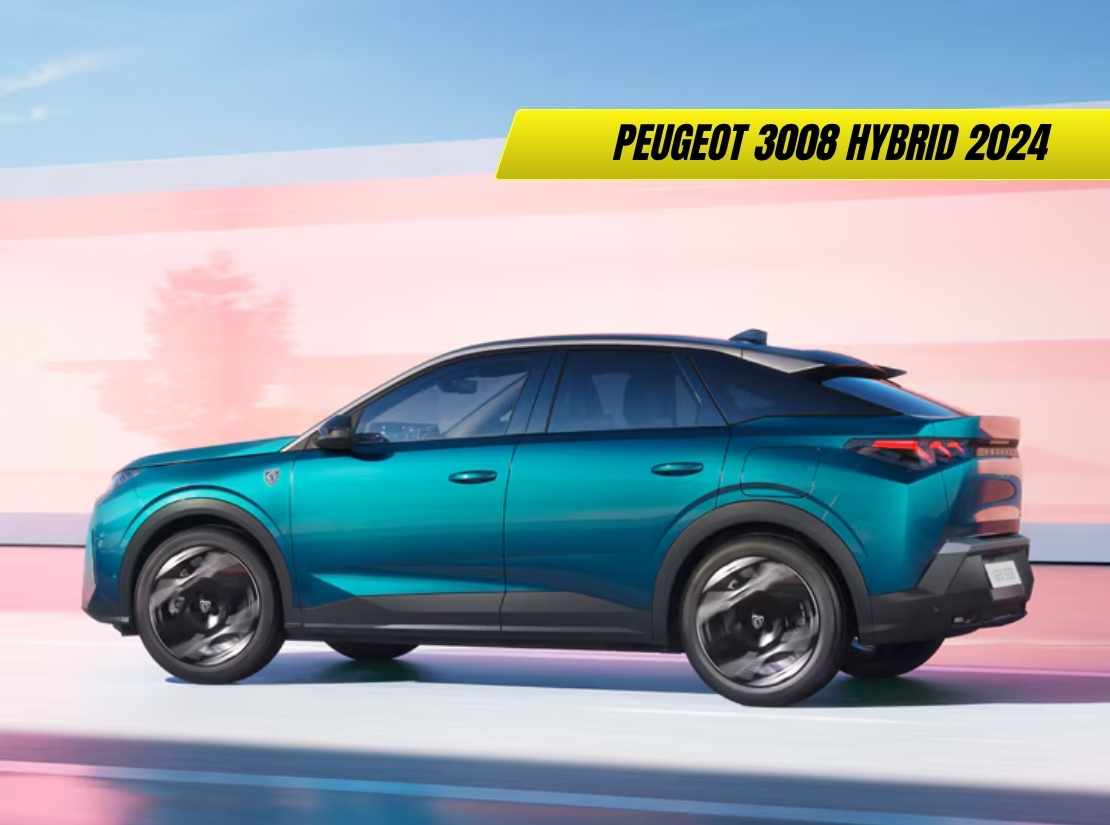
Complete guide to the Peugeot 3008 Hybrid for UK drivers. Discover pricing, technology, real-world efficiency, and why this premium French SUV offers compelling value in Britain’s competitive family car market.
The premium family SUV segment has become fiercely competitive in Britain, with established players like the BMW X3 and Audi Q5 facing fresh challenges from increasingly sophisticated mainstream alternatives. Into this crowded marketplace steps the redesigned Peugeot 3008 Hybrid, a French contender that prioritises style, technology, and refinement over the Germanic approach of pure functionality.
According to our analysis at AutoHit, the 3008 Hybrid represents Peugeot’s most serious attempt yet to challenge premium brands while maintaining accessible pricing for UK families. With UK pricing starting from £36,790, the 3008 positions itself significantly below German premium alternatives while offering comparable levels of equipment and refinement. We’ve tested the latest generation across British conditions, from London’s congested streets to Scottish motorways, to understand whether French flair can succeed in the UK’s pragmatic family car market.
The reality is that modern family buyers increasingly prioritise technology, efficiency, and distinctive design over traditional brand hierarchies. The 3008 Hybrid addresses these evolving preferences with advanced hybrid technology, striking styling, and interior innovation that challenges conventional SUV approaches. For UK drivers seeking something different from the mainstream German choices, it offers a compelling alternative proposition.
Key Highlights:
- Advanced Technology: 21-inch curved LED display combining instruments and infotainment, plus i-Toggle customisable shortcuts for intuitive operation
- Hybrid Efficiency: Mild-hybrid system achieving 51mpg combined with 134bhp performance, plus available plug-in hybrid variants offering 40-mile electric range
- Premium Positioning: Starting under £37,000 while offering equipment levels and refinement that challenge German premium brands costing significantly more
- Distinctive Design: Coupe-inspired SUV styling with i-Cockpit interior layout featuring compact steering wheel and high-set instruments
- Practical Excellence: 520-litre boot capacity, quality interior materials, and comprehensive safety systems as standard across the range
- UK Market Value: Competitive pricing against mainstream rivals while delivering near-premium experience without luxury car tax implications
Understanding the 3008 Hybrid Range
The current Peugeot 3008 lineup offers three distinct electrified powertrains for UK buyers, each targeting different usage patterns and efficiency requirements. The entry-level mild-hybrid system combines a 1.2-litre turbocharged petrol engine with electric assistance, providing improved efficiency without the complexity of plug-in technology.
The 3008 Hybrid uses a 136hp 1.2-litre three-cylinder turbo petrol engine and six-speed dual-clutch automatic gearbox with a 28hp electric motor and 48-volt technology. This system represents more advanced mild-hybrid technology than most competitors, allowing electric-only operation for short distances at low speeds – approximately half a mile in typical urban conditions.
The plug-in hybrid variants escalate both performance and complexity, with the standard PHEV producing 225hp and the flagship Hybrid4 delivering 300hp through an all-wheel-drive system. These models target buyers seeking maximum efficiency for urban driving while maintaining long-distance capability through petrol backup.
Mild-Hybrid Technology Explained
The 3008’s mild-hybrid system operates more sophisticatedly than basic 48V setups found in many rivals. Peugeot claims the system allows electric operation around 50% of the time in typical urban driving, with the electric motor providing assistance during acceleration and enabling engine shutdown during coasting at higher speeds.
This technology delivers measurable efficiency improvements without requiring charging infrastructure or significant behavioural changes from drivers. The system automatically manages power flows between petrol and electric components, optimising efficiency based on driving conditions and battery charge levels.
The 48V electrical architecture supports features like enhanced stop-start functionality and regenerative braking, recovering energy during deceleration that would otherwise be lost as heat. This recovered energy supplements the electrical system and reduces load on the petrol engine during subsequent acceleration.
Real-World Performance and Efficiency
UK testing of the 3008 Hybrid shows official fuel economy figures of 51mpg combined, with CO2 emissions of 124g/km making it competitive with conventional petrol rivals. Real-world performance typically achieves 45-48mpg in mixed driving, representing significant improvement over non-hybrid alternatives while maintaining responsive performance.
The mild-hybrid system provides smooth, refined operation that masks the three-cylinder engine’s inherent characteristics effectively. Electric assistance during acceleration eliminates the typical hesitation associated with small-capacity turbocharged engines, creating more linear power delivery than conventional powertrains.
Urban driving represents where the hybrid system demonstrates its greatest advantages, with frequent stop-start conditions allowing maximum utilisation of electric assistance and regenerative braking. Motorway efficiency remains competitive with conventional engines, though the system provides less advantage during sustained high-speed operation.
Plug-in Hybrid Performance
Both 3008 plug-in hybrid models claim around 40 miles of all-electric range, though real-world performance typically falls short of these optimistic figures. The standard PHEV delivers adequate performance for most family requirements, while the 300hp Hybrid4 provides genuinely quick acceleration when needed.
Charging capabilities remain modest, with the standard 3.7kW onboard charger requiring nearly four hours for complete charging from a home wallbox. An optional 7.4kW upgrade reduces charging time to approximately two hours, though this represents additional cost for a feature that should arguably be standard.
The plug-in models sacrifice practicality for their electrified capability, with reduced boot space and smaller fuel tank capacity affecting long-distance touring utility. These compromises may concern families planning extended UK holidays or regular long-distance travel.
Design and Interior Innovation
The 3008’s exterior design represents Peugeot’s evolution toward more coupe-inspired SUV styling, with a distinctive front-end treatment and flowing roofline that differentiates it from boxier rivals. The design features Peugeot’s signature “claw” lighting elements and a distinctive grille treatment that emphasises width and presence.
This design approach prioritises visual impact over pure practicality, creating a vehicle that stands out in crowded supermarket car parks but potentially sacrifices some of the space efficiency that family buyers might expect. The coupe-inspired profile particularly affects rear passenger headroom and visibility.
Build quality and material selection demonstrate Peugeot’s commitment to challenging premium alternatives, with extensive use of soft-touch materials and attractive textures throughout the cabin. The overall impression approaches premium brand standards while maintaining the distinctive French approach to interior design.
i-Cockpit Interior Philosophy
The 3008 features Peugeot’s i-Cockpit layout with a high-set digital display designed to be viewed over the compact steering wheel rather than through it. This unconventional approach works better in the current generation than previous iterations, though it still requires adjustment for drivers accustomed to traditional layouts.
The integrated 21-inch curved LED panel combines both driver instruments and central infotainment functions, creating a striking visual centrepiece that dominates the cabin experience. The system provides crisp graphics and responsive operation, though menu structures can prove complex during initial familiarisation.
The i-Toggle feature provides customisable shortcuts below the main touchscreen, allowing drivers to personalise frequently-used functions for easier access. While not as intuitive as physical buttons, this system represents a reasonable compromise between functionality and modern aesthetics.
UK Market Positioning and Value
UK pricing for the 3008 Hybrid starts from £36,790, positioning it competitively against mainstream rivals while undercutting premium German alternatives by significant margins. This pricing strategy targets buyers seeking near-premium experiences without luxury brand premiums or associated tax implications.
The 3008 competes directly with established family SUVs including the Nissan Qashqai, Volkswagen Tiguan, and Skoda Karoq, while offering more distinctive styling and advanced technology than most mainstream alternatives. However, it faces an uphill battle against the conservative preferences of UK fleet buyers who often favour proven reliability over innovation.
Company car drivers face a 29% Benefit-in-Kind rate for the mild-hybrid version, making it less attractive than plug-in hybrid alternatives for business users. The plug-in variants offer significantly lower BIK rates but command substantial price premiums that may offset tax advantages for many buyers.
Equipment and Standard Features
Even entry-level Allure models include comprehensive equipment levels that would require expensive options on many rivals. Standard features include LED headlights, 19-inch alloy wheels, dual-zone climate control, and comprehensive driver assistance systems that enhance both safety and convenience.
The 10-inch touchscreen infotainment system includes Apple CarPlay and Android Auto integration, though the complexity of menu structures may frustrate drivers preferring simpler interfaces. Physical controls for climate and audio remain accessible, avoiding the complete touch-only approach that affects some modern vehicles.
Safety equipment meets current expectations with automatic emergency braking, lane departure warning, and blind-spot monitoring included across the range. These systems operate unobtrusively while providing genuine safety benefits during typical UK driving conditions.
Practicality and Family Usability
Boot capacity reaches 520 litres with rear seats in use, matching direct competitors like the Skoda Karoq and Volkswagen Tiguan. The loading area provides a practical shape with minimal load lip, facilitating easy loading of bulky items that challenge families during weekly shopping or holiday preparation.
However, the plug-in hybrid variants sacrifice 125 litres of boot space due to battery placement, reducing practicality for families requiring maximum cargo capacity. This compromise may concern buyers considering the PHEV for its efficiency benefits but needing full cargo capability.
Rear passenger accommodation reflects the coupe-inspired design priorities, with adequate space for adults on shorter journeys but limited headroom that may affect taller passengers. Rivals like the Toyota RAV4, Honda CR-V, and Skoda Karoq offer more generous rear accommodation for families prioritising passenger comfort over style.
Daily Usability Considerations
The i-Cockpit layout requires adaptation for drivers familiar with conventional arrangements, particularly regarding visibility of instruments over the compact steering wheel. Not everyone can see the digital display properly once they’ve adjusted their driving position, as the wheel can obstruct the view.
Urban manoeuvrability benefits from light steering and good forward visibility, though the distinctive styling creates some blind spots that may concern nervous drivers. The elevated driving position provides confidence in traffic while parking sensors and reversing camera assist with close-quarters manoeuvring.
Storage throughout the cabin proves adequate for family requirements, with reasonably sized door pockets and central console storage. However, the focus on design aesthetics sometimes compromises pure practicality compared to more utilitarian rivals that prioritise storage capacity over visual appeal.
Technology and Connectivity
The 3008’s technology offerings position it competitively against premium alternatives while surpassing most mainstream rivals. The curved display technology creates impressive visual impact and generally responsive operation, though the complexity of menu structures may overwhelm drivers preferring simpler interfaces.
The infotainment system menus can be convoluted, with many sub-menus to navigate, and screen responses were occasionally inconsistent during testing. While the graphics remain crisp and clear, the user experience doesn’t match the simplicity of the best systems from premium German manufacturers.
Smartphone integration works reliably through both Apple CarPlay and Android Auto, providing familiar interfaces for navigation and entertainment. The system supports wireless connectivity in higher trim levels, eliminating cable requirements that simplify daily use for most UK drivers.
Driver Assistance Technology
The 3008 includes comprehensive driver assistance systems that operate effectively across UK driving conditions. Adaptive cruise control manages motorway driving competently, while lane-keeping assistance provides gentle corrections without feeling intrusive during typical operation.
Traffic sign recognition works accurately with UK signage, displaying current speed limits clearly within the digital instrument cluster. The system integrates well with the adaptive cruise control, automatically adjusting speed limits when safe and appropriate.
Parking assistance includes front and rear sensors plus reversing camera as standard, with 360-degree camera systems available on higher specifications. These systems prove particularly valuable given the 3008’s distinctive styling that can create visibility challenges in tight spaces.
Running Costs and Ownership Experience
The 3008 Hybrid’s CO2 emissions of 122g/km result in reasonable first-year road tax of £220, though company car drivers face a 29% BIK rate that reduces appeal for business users. Private buyers benefit from competitive fuel costs and insurance groupings that reflect the vehicle’s mainstream positioning despite premium aspirations.
Peugeot’s reliability record has improved significantly in recent years, though the brand still lacks the established reputation for dependability enjoyed by Toyota, Honda, or even Volkswagen Group products. The three-year unlimited mileage warranty provides average coverage compared to the extended warranties offered by Korean manufacturers.
Service costs typically align with mainstream European manufacturers, though specialist knowledge requirements for hybrid systems may limit choice of service providers compared to conventional powertrains. Peugeot’s UK dealer network provides adequate coverage, though density varies significantly between regions.
Insurance and Finance Considerations
Insurance costs for the 3008 Hybrid typically fall within reasonable bands for a family SUV, with comprehensive safety systems helping maintain competitive premiums. The distinctive styling may affect theft risk assessments, though this appears balanced by security systems and lower desirability compared to premium German alternatives.
Finance offerings through Peugeot’s captive finance company provide competitive rates, particularly for PCP agreements that reflect realistic residual value predictions. However, depreciation rates may prove higher than established premium alternatives, affecting total cost of ownership calculations for buyers planning to retain vehicles long-term.
Maintenance costs remain competitive with mainstream rivals, though hybrid system complexity may increase diagnostic and repair costs compared to conventional powertrains. Extended warranty options provide peace of mind for buyers concerned about potential expensive repairs outside the standard warranty period.
| Aspect | 3008 Hybrid | Nissan Qashqai | VW Tiguan | BMW X3 | Our Take |
|---|---|---|---|---|---|
| Starting Price | £36,790 | £27,695 | £34,000 | £45,000+ | Premium feel, competitive pricing |
| Fuel Economy | 51mpg official | 50mpg | 45mpg | 40mpg | Competitive with best rivals |
| Boot Space | 520L | 430L | 520L | 550L | Good capacity, practical shape |
| Technology | 21″ curved display | 12.3″ standard | 10.25″ | 12.3″ | Leading-edge but complex |
| Warranty | 3yr unlimited | 3yr/60k | 3yr/60k | 3yr/unlimited | Standard coverage |
Driving Experience and Refinement
The 3008 Hybrid prioritises comfort and refinement over dynamic engagement, creating a driving experience that suits UK road conditions and family requirements. The suspension system excels at absorbing road imperfections, making only the roughest bumps noticeable to passengers.
Light steering makes urban manoeuvring effortless, though visibility challenges from large pillars and a small rear window can complicate parking and junction negotiation. The elevated driving position provides confidence in traffic while the refined ride quality makes extended journeys comfortable for all occupants.
Motorway capability proves competent rather than exceptional, with adequate performance for overtaking and cruising refinement that suits long-distance family travel. However, the 3008 wasn’t designed for enthusiastic driving on challenging roads, where body control and steering precision lag behind more focused alternatives.
Noise and Comfort Levels
Motorway refinement proves adequate with minimal tyre and wind noise intrusion, making the 3008 a competent cruiser for long journeys. The three-cylinder engine’s inherent character remains well-controlled through sound insulation and hybrid system assistance that reduces reliance on the petrol engine alone.
Cabin comfort benefits from supportive front seats and generous adjustment ranges that accommodate a wide variety of driver sizes. Climate control systems work effectively and quietly, maintaining comfortable temperatures without excessive noise or energy consumption that would affect fuel economy.
The ride quality particularly impresses during urban driving, where the suspension system effectively isolates occupants from the deteriorating road surfaces common across UK cities. This comfort focus aligns with family priorities while distinguishing the 3008 from rivals that prioritise dynamic handling over passenger comfort.
Competition Analysis and Alternatives
The 3008 Hybrid faces intense competition from established mainstream alternatives that offer proven reliability and lower purchase prices. Direct competitors include the Nissan Qashqai, Kia Sportage, and Hyundai Tucson, all offering similar practicality at potentially lower costs.
Premium alternatives like the Audi Q3 and BMW X1 provide stronger brand prestige and potentially better resale values, though at significantly higher purchase prices that may not justify the additional cost for practical family use. The 3008’s positioning between mainstream and premium segments creates both opportunities and challenges in the UK market.
Korean alternatives deserve particular consideration for UK buyers, with both Kia and Hyundai offering longer warranties, proven reliability, and comprehensive equipment levels that challenge the 3008’s value proposition. However, neither matches the 3008’s distinctive styling or advanced technology integration.
Hybrid Technology Comparison
Modern hybrid systems across the family SUV segment vary significantly in sophistication and effectiveness. Toyota’s proven full-hybrid system in the RAV4 offers different advantages, prioritising reliability and efficiency over the performance focus of Peugeot’s approach.
The 3008’s mild-hybrid system provides a middle ground between simple efficiency enhancements and complex plug-in technology, delivering measurable benefits without requiring infrastructure changes or significant behavioural adaptation from drivers accustomed to conventional powertrains.
For buyers considering larger family vehicles, the 3008’s compact dimensions may prove limiting, while those focused purely on value might find better alternatives among mainstream Korean or Czech alternatives.
Who Should Consider the 3008 Hybrid?
The 3008 Hybrid suits buyers prioritising style, technology, and refinement over pure practicality or value-focused purchasing decisions. It appeals particularly to drivers seeking distinctive design and advanced features without the premium brand price premiums that affect German alternatives.
Urban and suburban families who value efficiency and comfort will find the mild-hybrid system well-suited to UK driving patterns, particularly where daily journeys involve mixed traffic conditions that allow the hybrid system to demonstrate its advantages most effectively.
Buyers considering plug-in hybrid variants need realistic expectations about electric range and charging requirements, as well as acceptance of the practicality compromises that accompany the more complex powertrains. The PHEV models make most sense for drivers with predictable daily routines and access to reliable charging infrastructure.
Frequently Asked Questions
How does the 3008 Hybrid’s fuel economy perform in real-world UK driving conditions?
Real-world testing typically achieves 45-48mpg in mixed British driving conditions, falling slightly short of the official 51mpg figure but remaining competitive with mainstream petrol rivals. Urban driving shows the biggest efficiency gains from the hybrid system, while motorway efficiency is good but less impressive. Winter conditions and extensive use of heating can reduce efficiency by 10-15%, which is typical for hybrid systems.
Is the i-Cockpit layout actually usable for average UK drivers?
The current generation i-Cockpit works much better than earlier versions, with the high-mounted display positioned to avoid most visibility issues. However, taller drivers or those with longer torsos may still experience problems seeing the instruments over the compact steering wheel. We recommend testing the driving position thoroughly during any test drive, as this layout either works well for you or creates ongoing frustration.
How does the 3008 Hybrid compare to the Toyota RAV4 Hybrid for reliability and efficiency?
The RAV4 Hybrid offers proven reliability and potentially better real-world efficiency through its full-hybrid system, but the 3008 provides more advanced technology and distinctly more style. Toyota’s hybrid system is more sophisticated technically, while Peugeot’s mild-hybrid approach is simpler but still effective. For buyers prioritising reliability above all else, the Toyota remains the safer choice, while the Peugeot appeals to those wanting more distinctive design and technology.
Are there any significant drawbacks to choosing the plug-in hybrid versions?
Yes, several important compromises affect the PHEV models. Boot space reduces by 125 litres, the fuel tank is 10 litres smaller, and purchase prices increase substantially. Real-world electric range typically falls well short of the claimed 40 miles, and the 3.7kW standard charger is disappointingly slow. Unless you have predictable short daily journeys and home charging, the mild-hybrid often represents better value and practicality.
How does Peugeot’s reliability compare to German premium brands for UK drivers?
Peugeot’s reliability has improved significantly in recent years and now ranks competitively with mainstream European manufacturers. However, it still doesn’t match the reputation of premium German brands or proven Japanese manufacturers. The three-year warranty provides average coverage, and UK dealer network quality varies by region. For buyers concerned about long-term reliability, extending warranty coverage or choosing established premium alternatives might provide greater peace of mind.
What are the main advantages of choosing the 3008 over mainstream rivals like the Qashqai or Tiguan?
The 3008’s primary advantages include significantly more distinctive styling, advanced technology features like the 21-inch curved display, and higher-quality interior materials that approach premium standards. The hybrid system also provides efficiency benefits over conventional alternatives. However, you’ll pay more for these advantages, and rivals often offer better practicality, proven reliability, or stronger dealer networks across the UK.
Does the 3008 Hybrid make sense for high-mileage UK drivers?
For drivers covering 20,000+ miles annually, the 3008 Hybrid’s efficiency benefits become more significant, potentially offsetting its higher purchase price through fuel savings. However, high-mileage drivers should also consider the three-year warranty coverage and Peugeot’s service network density in their area. The mild-hybrid system suits mixed driving patterns well, though pure motorway drivers might find diesel alternatives more efficient despite environmental considerations.
Conclusion
The Peugeot 3008 Hybrid represents a sophisticated attempt to challenge both mainstream and premium alternatives through distinctive styling, advanced technology, and competitive efficiency. For UK buyers seeking something different from the established German hierarchy or mainstream conservatism, it offers genuine appeal that extends beyond mere price positioning.
The key insight from our comprehensive evaluation is that the 3008 succeeds best when viewed as a premium alternative rather than a mainstream competitor. Its strengths – distinctive design, advanced technology, and quality materials – justify price premiums over basic family SUVs while undercutting traditional premium brands significantly.
However, success in the UK market requires more than objective competence, particularly given British buyers’ tendency toward conservative purchasing decisions and emphasis on proven reliability. The 3008’s relatively complex technology and distinctive styling may appeal to style-conscious buyers while potentially alienating those prioritising pure practicality and value.
For families open to French automotive philosophy and willing to pay modest premiums for distinctive design and advanced features, the 3008 Hybrid offers compelling advantages over both mainstream and premium alternatives. Whether you’re seeking an alternative to German premium SUVs or want something more distinctive than mainstream offerings, the 3008 provides genuine differentiation in an increasingly homogeneous market.
Looking ahead, the 3008’s success will likely depend on Peugeot’s ability to maintain competitive pricing while demonstrating long-term reliability that matches its premium aspirations. For current buyers, it represents an opportunity to access near-premium experiences at mainstream prices, provided they’re comfortable with the compromises that accompany Peugeot’s distinctive approach to family motoring.
Complete guide to the Peugeot 3008 Hybrid for UK drivers. Discover pricing, technology, real-world efficiency, and why this premium French SUV offers compelling value in Britain’s competitive family car market.





