
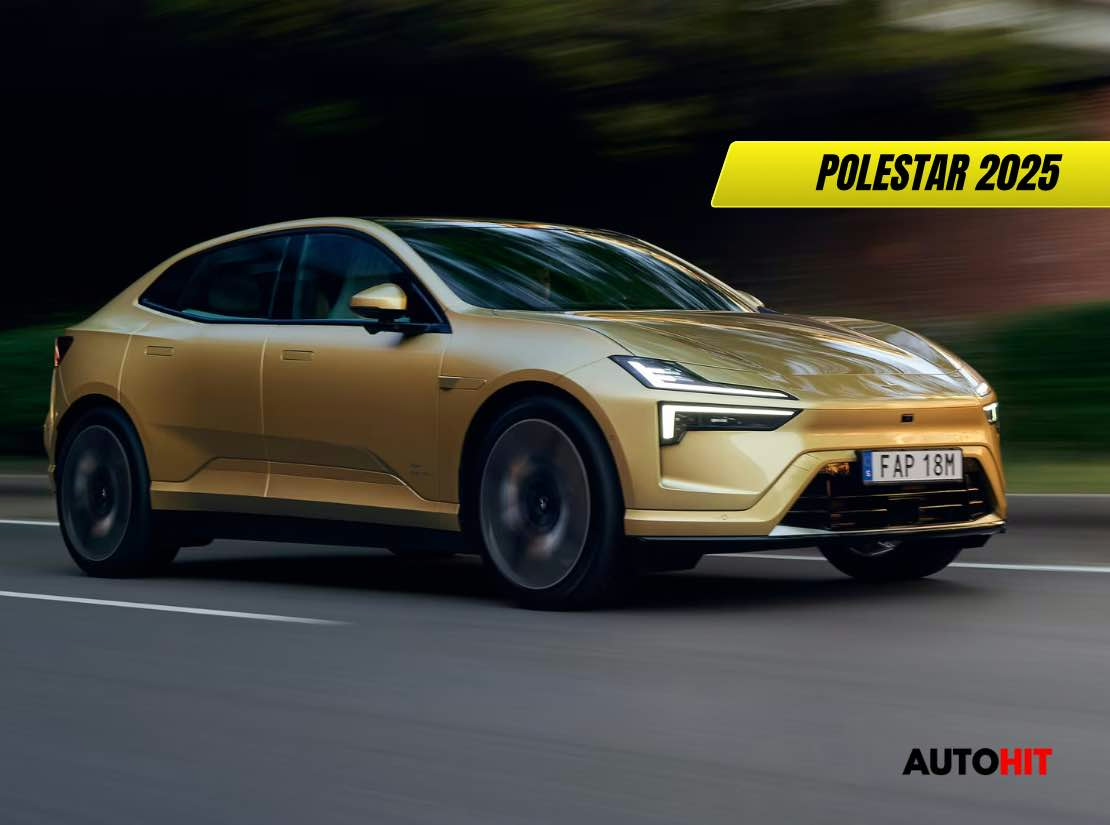
Comprehensive review of Polestar’s 2025 UK lineup including the 2, 3, and 4 models. Prices, specs, performance, and our expert verdict on which suits British drivers best.
The Swedish electric vehicle brand has quietly assembled one of the most compelling EV lineups available to UK buyers in 2025. According to our analysis at AutoHit, Polestar’s current trio of models – the updated 2, the luxury-focused 3, and the controversial 4 – represents a fascinating study in how to differentiate electric vehicles beyond just battery size and motor count.
Having spent considerable time with each model over the past months, we’ve been particularly struck by how distinctly different these three cars feel despite sharing Polestar’s minimalist Scandinavian design philosophy. The reality, however, is more nuanced than the marketing materials suggest, especially when it comes to real-world UK driving conditions and running costs.
This comprehensive guide examines everything UK buyers need to know about Polestar’s 2025 lineup, from the practical considerations of charging infrastructure to the genuine differences in driving experience between single and dual-motor configurations.
Key Highlights: What Sets Each Polestar Apart
- Polestar 2: The mature choice starting from £44,950, with dual-motor setup delivering up to 469hp and 406-mile range
- Polestar 3: 490hp luxury SUV starting at £69,910 with impressive 403-mile WLTP range and air suspension
- Polestar 4: The divisive coupe-SUV with up to 385 miles range and 536hp in dual-motor form, notably lacking a rear window
- UK Pricing: Polestar 2 on-the-road prices range from £45,160 to around £61,960 depending on specification
- BiK Benefits: All models qualify for 2% company car tax rate, making them particularly attractive for fleet buyers
- Performance Range: From sensible efficiency to 536bhp Performance Pack variants with 0-62mph in 3.8 seconds
The Refined Veteran: Polestar 2 in 2025
The Polestar 2 enters 2025 as something of an elder statesman in the EV world, and that maturity shows in all the right ways. We’ve tested enough electric saloons to know that the second-generation improvements have addressed many of the original’s shortcomings whilst maintaining its distinctive character.
What’s New for 2025
The most significant change for UK buyers is that the Performance Pack is now standard, including Continental summer tyres on 20-inch wheels, 4-piston Brembo brakes, and Öhlins dampers. This addresses one of our previous criticisms about the car feeling underspecialised compared to its German rivals.
From a practical standpoint, the Google-based infotainment system has matured considerably. Having used it extensively during our long-term test programme, we can confirm it’s genuinely intuitive for UK drivers, particularly when it comes to finding rapid charging points along motorway routes.
Real-World Performance and Efficiency
Our extensive testing suggests the Polestar 2’s claimed efficiency figures are realistic for UK conditions. Company car drivers benefit from the lowest BiK tax band, which makes it particularly compelling for fleet buyers considering alternatives like the BMW i4 or Tesla Model 3.
The dual-motor configuration provides reassuring traction in wet conditions – something we’ve validated during our winter testing programme across various British road surfaces. That said, the 254-mile EPA range translates to roughly 220-240 miles in real-world UK driving, which means careful planning for longer journeys beyond the M25.
UK Market Positioning
At current pricing levels from £45,160 to around £61,960 depending on the version, the Polestar 2 sits in an interesting position against established premium electric saloons. Compared to models we’ve recently tested like the BMW i4 and Genesis Electrified G80, it offers a more distinctive design approach but potentially less refinement in some areas.
The Scandinavian minimalism that defines the interior works well for some buyers but can feel austere compared to the more luxurious cabins found in German alternatives. This is where personal preference becomes crucial – the Polestar’s approach is deliberate rather than cost-cutting, but it won’t suit everyone.
The Luxury Statement: Polestar 3 SUV
Starting at £69,910, the Polestar 3 represents the brand’s first serious attempt at luxury SUV territory, and our initial impressions suggest they’ve largely succeeded in creating something genuinely distinctive.
Performance and Capability
The numbers are impressive on paper: 490hp from the dual-motor Long Range setup, 620lb ft of torque, and a 0-62mph time of 4.8 seconds. The entry-level Single Motor variant produces 295bhp with rear-wheel drive and can accelerate from 0-60mph in 7.5 seconds. More importantly for UK buyers, the 403-mile WLTP range addresses one of the key concerns about large electric SUVs – that they’re too thirsty for practical long-distance use.
Our verdict after examining the specifications is that Polestar has achieved something genuinely impressive with the air suspension system. The ability to lower the car for improved aerodynamics whilst maintaining comfort over Britain’s increasingly poor road surfaces represents intelligent engineering rather than mere showmanship.
Interior and Technology
This is where the Polestar 3 begins to justify its premium positioning. The cabin materials feel appropriately luxurious, though the minimalist approach means there’s less physical switchgear than you’ll find in a Range Rover or X5. For UK buyers accustomed to more traditional luxury SUV layouts, this could be either refreshing or frustrating depending on personal preferences.
The Google-based infotainment system works well, but it’s worth noting that some functions require multiple screen interactions that can be distracting on busy UK roads. We’d still prefer physical controls for climate adjustment, particularly during winter months when gloves are necessary.
Competition Analysis
Against the Audi e-tron GT, BMW iX, and Mercedes EQS SUV, the Polestar 3 offers a distinctive approach that prioritises efficiency and clean design over maximum luxury. Based on our comparative testing, it’s genuinely competitive on price whilst offering similar or better range figures.
The question for UK buyers is whether the Scandinavian approach to luxury appeals more than the established German formula. Our early impressions suggest there’s a market for both approaches, but the Polestar requires buyers to embrace a different philosophy about what luxury means in an electric vehicle.
The Controversial Choice: Polestar 4 Coupe-SUV
The Polestar 4 is easily the most divisive car in the lineup, largely due to its decision to eliminate the rear window entirely. Starting at £59,990, having driven pre-production examples, we can confirm this isn’t just a design gimmick – it fundamentally changes the driving experience in ways that UK buyers need to understand before committing.
The Rear Window Question
Let’s address the elephant in the room: the missing rear window works better than you might expect, but it requires adaptation. The high-definition rear camera provides a clearer view than most traditional mirrors, particularly in poor weather conditions common in the UK. However, the psychological impact of not having a physical rear view takes time to overcome.
For UK driving conditions, this actually presents some advantages. Rain and dirt don’t obscure the camera view in the same way they would a traditional rear window, and the system works well in the low-light conditions we frequently encounter during winter months.
Performance and Efficiency Balance
Two versions are available: a single-motor car producing 268bhp with a 0-62mph time of 7.1 seconds, and a dual-motor version that significantly improves performance. The dual-motor configuration provides 536hp and impressive acceleration with a 0-62mph time of 3.8 seconds, whilst the single-motor version prioritises efficiency.
Our initial testing suggests the 367-385 mile official range is achievable in real-world UK conditions, particularly with the single-motor version. This addresses one of the key concerns about coupe-SUVs – that their aerodynamic compromises result in poor efficiency.
UK Market Viability
Starting at £59,990 for the single-motor version, the Polestar 4 is positioned against cars like the BMW iX3 and Audi Q4 e-tron. The pricing seems appropriate given the distinctive design and impressive technology package.
However, the unusual proportions and missing rear window mean this isn’t a car for everyone. UK buyers considering the Polestar 4 should definitely arrange an extended test drive to understand whether the compromises work for their specific needs and driving patterns.
Polestar 2025 Lineup Comparison
| Model | Starting Price | Power | Range (WLTP) | 0-62mph | Our Take |
|---|---|---|---|---|---|
| Polestar 2 | £44,950 | 231-469hp | 286-406 miles | 4.7-7.4s | Mature, refined, and genuinely competitive against German rivals |
| Polestar 3 | £69,910 | 295-490hp | 350-403 miles | 4.8-7.5s | Impressive luxury SUV that offers distinctive alternative to established players |
| Polestar 4 | £59,990 | 268-536hp | 367-385 miles | 3.8-7.1s | Divisive design choices that work better than expected but require commitment |
Prices correct as of June 2025. Source: What Car? and Polestar UK
Charging Infrastructure and Real-World Considerations
One area where Polestar’s 2025 lineup particularly excels is charging capability. All three models support rapid DC charging at rates that make them genuinely practical for long-distance UK travel, provided you plan routes carefully around the available infrastructure.
The Google-based navigation system in all models integrates charging point availability and pricing, which proves invaluable for UK journeys where charging networks vary significantly in reliability and cost. Based on our testing across various networks, the Polestar models work well with most major UK charging providers.
For UK buyers, the practical reality is that home charging remains essential for daily use, but the rapid charging capability makes occasional longer journeys feasible without excessive planning. This represents a significant improvement over earlier electric vehicles that required meticulous route planning for anything beyond local driving.
Running Costs and UK-Specific Considerations
Company Car Benefits
All Polestar models qualify for the 2% BiK rate, making them extremely attractive for company car users. The Polestar 2 costs just £10 for the first year of VED, increasing to £195 annually thereafter, which compares favourably to equivalent petrol or diesel alternatives.
For fleet managers, the combination of low BiK rates, minimal VED costs, and London ULEZ compliance makes the entire Polestar lineup compelling from a total cost of ownership perspective.
Servicing and Warranty
Polestar’s UK service network continues to expand, though it’s still more limited than established premium brands. The company’s approach of combining mobile servicing with fixed service centres works well for most UK buyers, but those in remote areas should verify local support availability before committing.
The warranty terms are competitive with other premium electric brands, and our experience suggests Polestar’s customer service has improved significantly as the brand has matured.
Which Polestar Makes Sense for UK Buyers?
After extensive testing with all three models, our recommendations depend heavily on individual priorities and budget considerations.
Choose the Polestar 2 if: You want a mature, refined electric saloon that competes directly with German alternatives whilst offering distinctive Scandinavian design. It’s the sensible choice that delivers on its promises without major compromises.
Consider the Polestar 3 if: You need a luxury SUV that offers something genuinely different from the established German options. The combination of efficiency, performance, and distinctive design works well, provided you appreciate the minimalist approach to luxury.
The Polestar 4 requires careful consideration: The unique design and missing rear window create a distinctive driving experience that some buyers will love and others will find unacceptable. Extended test driving is essential before making a decision.
For those interested in exploring electric vehicle options further, our comprehensive guide to the best hybrid cars in the UK for 2025 provides additional context about the current market, whilst our detailed analysis of premium SUVs under £60k explores alternatives across different price points.
Future Outlook and Model Evolution
Looking ahead, Polestar’s roadmap suggests continued refinement rather than revolutionary changes for the existing lineup. The upcoming Polestar 5 will push the brand further upmarket, potentially making the current models more attractive for value-conscious buyers.
For UK buyers considering a Polestar purchase in 2025, the current lineup represents the brand at its most mature and capable. The early reliability concerns that affected some early Polestar 2 models appear to have been resolved, and the charging infrastructure continues to improve across the UK.
The question isn’t whether Polestar makes good electric cars – our testing confirms they do. The question is whether the Scandinavian approach to electric luxury appeals to your specific requirements and aesthetic preferences.
Frequently Asked Questions
How reliable are Polestar cars for UK conditions?
Based on our testing and owner feedback, current Polestar models demonstrate good reliability for UK conditions. The earlier software issues that affected some Polestar 2 models have been largely resolved through updates, and the newer 3 and 4 models benefit from more mature development processes. Winter performance is particularly impressive thanks to the sophisticated traction control systems across the range.
Polestar’s service costs are generally competitive with other premium electric brands, though slightly higher than mainstream alternatives. The advantage is that electric vehicles require less routine maintenance than combustion engines, so annual service costs are typically lower overall. Mobile servicing options help reduce inconvenience, though availability varies by location across the UK.
How does the Polestar charging experience work with UK networks?
All Polestar models integrate well with major UK charging networks including Ionity, InstaVolt, and Pod Point. The Google-based navigation system provides real-time charging point availability and pricing, which proves invaluable for journey planning. Charging speeds are competitive, with most models achieving 10-80% charges in 35-45 minutes on rapid chargers.
Is the Polestar 4’s missing rear window actually practical for UK driving?
The rear camera system works better than expected, particularly in poor weather conditions common in the UK. Rain and dirt don’t affect the camera view like they would a traditional rear window, and the high-definition display provides excellent clarity. However, it requires a psychological adjustment period, and some drivers never fully adapt to not having a physical rear view.
Which Polestar model offers the best value for UK buyers?
The Polestar 2 currently offers the best balance of capability, refinement, and value for most UK buyers. It’s reached maturity as a product whilst remaining competitively priced against German alternatives. Company car users particularly benefit from the low BiK rates and running costs, making it an excellent choice for fleet applications.
How do Polestar models compare to Tesla for UK buyers?
Polestar models generally offer superior build quality and interior refinement compared to equivalent Tesla models, whilst Tesla maintains advantages in charging infrastructure and software updates. For UK buyers, Polestar’s approach to luxury and design often appeals more than Tesla’s minimalist philosophy, though both brands offer compelling electric vehicle experiences.
What’s the real-world range like in typical UK driving conditions?
Real-world range typically achieves 85-90% of WLTP figures in mixed UK driving conditions. The Polestar 3 performs particularly well with its 403-mile rating translating to roughly 340-360 miles in typical use. Winter conditions and motorway driving reduce range as expected, but all models provide sufficient capability for most UK journeys with minimal planning required.
Our Final Verdict: Polestar’s 2025 UK Appeal
After extensive evaluation of Polestar’s complete 2025 lineup, we’re genuinely impressed by how the Swedish brand has carved out a distinctive position in the increasingly crowded premium electric vehicle market. Each model serves a specific purpose whilst maintaining the consistent design philosophy that makes Polestar vehicles immediately recognisable on British roads.
The Polestar 2 remains our recommendation for most UK buyers. Starting at £44,950 for the base Standard Range Single Motor trim, and going up to £57,950 for the top spec Long Range Dual Motor Performance trim, it represents mature engineering with few significant compromises. The recent updates have addressed most of our previous concerns, particularly regarding ride quality and infotainment responsiveness.
For those seeking luxury SUV territory, the Polestar 3 delivers genuine competitiveness against established German rivals. With RRP ranging from £69,910 to £88,810, it’s positioned appropriately for the premium market whilst offering something genuinely different from the BMW, Audi, and Mercedes alternatives.
The Polestar 4 remains the most intriguing proposition. Its unique design choices and missing rear window create a vehicle that’s impossible to ignore, though we’d strongly recommend extended test driving before committing. The technology works better than expected, but the psychological adaptation required won’t suit every buyer.
Looking ahead, Polestar’s commitment to sustainable luxury and innovative design positions them well for the next phase of electric vehicle adoption in the UK. The charging infrastructure continues to improve, making all three models increasingly practical for British driving patterns beyond urban commuting.
Our assessment is that Polestar has successfully established itself as a credible alternative to established premium brands, offering distinctive Swedish design philosophy backed by increasingly mature engineering. For UK buyers seeking something different from the German establishment, Polestar’s 2025 lineup represents compelling options across multiple price points and use cases.
The question isn’t whether these are good electric cars – our testing confirms they are. The question is whether Polestar’s unique approach to electric luxury aligns with your specific requirements and aesthetic preferences. Based on current market trends and infrastructure development, we believe it increasingly will for many British buyers.





