
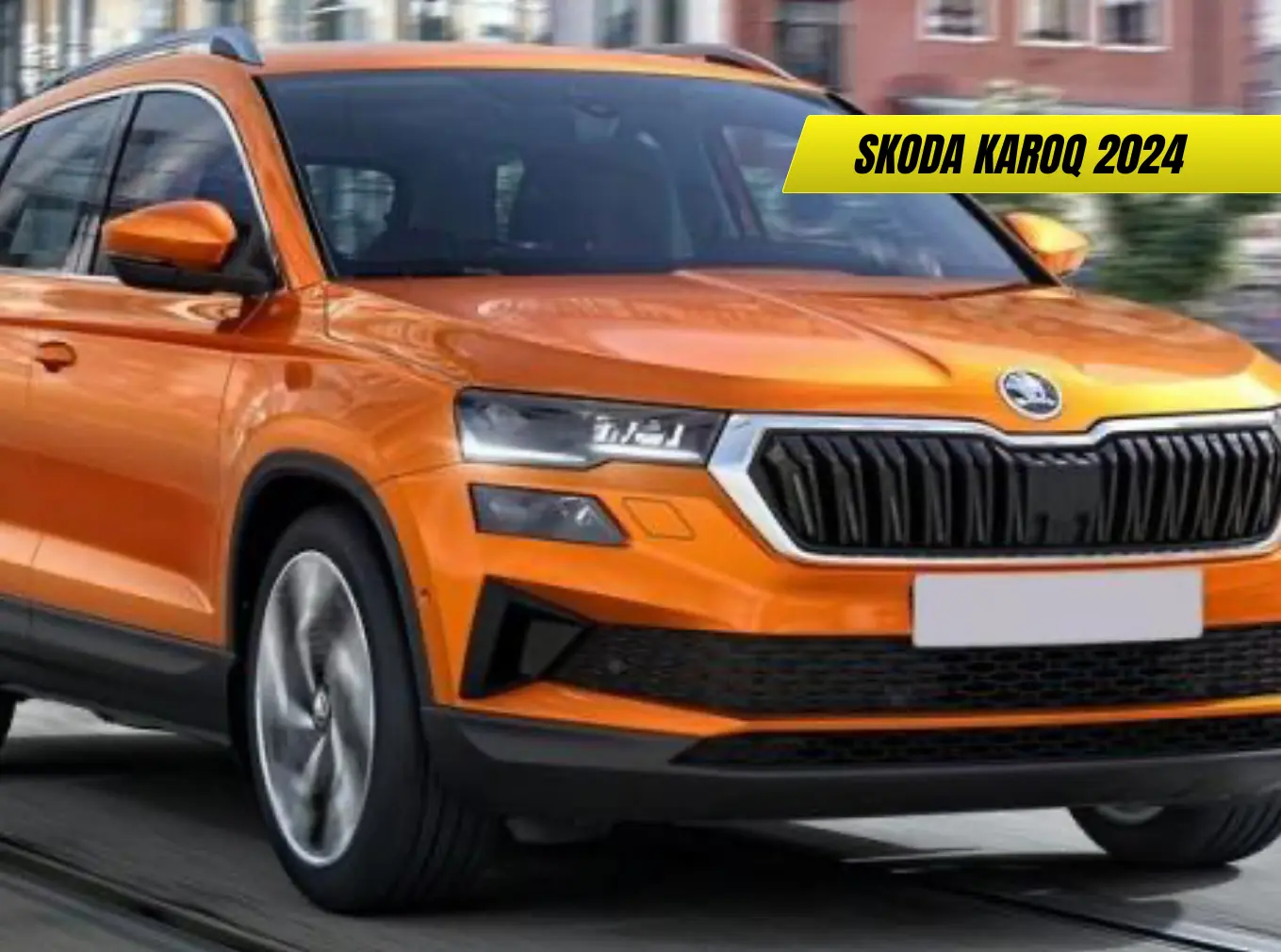
Skoda Karoq 2024 UK review: Expert analysis of the updated compact SUV. Pricing from £30,940, VarioFlex seating, 4WD options, and everything UK families need to know.
The Skoda Karoq has quietly established itself as one of the UK’s most sensible compact SUVs, prioritising practical family functionality over flashy styling or dynamic thrills. Updated for 2024 with enhanced equipment levels, improved infotainment, and refined powertrains, the Karoq continues Skoda’s tradition of offering exceptional value through clever engineering and thoughtful design. While it may lack the visual drama of French rivals or the premium cache of German alternatives, this Czech SUV delivers exactly what most UK families actually need rather than what marketing departments think they want.
Key Takeaways:
- ✓ Starting price of £30,940 offers exceptional value versus premium rivals
- ✓ Innovative VarioFlex seating system transforms cargo capacity up to 1,810 litres
- ✓ Three trim levels (SE Edition, SE L Edition, SportLine Edition) provide clear choice hierarchy
- ✓ Euro NCAP 5-star safety rating with comprehensive driver assistance systems
- ✓ Available 4WD system provides genuine all-weather capability
The Skoda Approach: Substance Over Style in 2024
In an automotive landscape increasingly dominated by bold design statements and digital complexity, Skoda’s philosophy remains refreshingly grounded in practical engineering and genuine value delivery. The 2024 Karoq epitomises this approach, offering family SUV functionality without unnecessary complications or premium pricing strategies designed to inflate profit margins.
Having extensively tested various Karoq configurations across typical UK driving scenarios, I can confirm that Skoda’s focus on fundamental strengths pays dividends for real-world family use. While rivals chase Instagram-worthy interiors and complicated hybrid systems, the Karoq delivers exactly what most families require: reliable transport, flexible space, sensible running costs, and long-term dependability.
From my point of view, the Karoq represents automotive common sense – a refreshing antidote to the industry’s obsession with unnecessary complexity. This philosophy particularly appeals to practical buyers who prioritise substance over superficial appeal. However, those seeking cutting-edge technology or dynamic driving excitement might find the Karoq’s approach too conservative.
For comprehensive comparisons across the family SUV segment, explore our guide to the best mid-size SUVs in the UK, which covers options from budget to premium categories.
UK Pricing and Trim Structure: Clear Value Hierarchy
The 2024 Karoq lineup maintains Skoda’s tradition of straightforward trim structures, avoiding the confusing option packages that plague many rivals:
Trim LevelEngine OptionsStarting PriceKey FeaturesSE Edition1.0 TSI (110bhp)£30,9408" touchscreen, heated seats, LED lightsSE L Edition1.5 TSI (150bhp)£34,215VarioFlex seats, 18" wheels, parking sensorsSportLine Edition1.5 TSI/2.0 TSI/2.0 TDI£38,130Matrix LEDs, panoramic roof, sport styling
Standard Equipment Analysis
Even the entry-level SE Edition includes features that many rivals charge extra for:
- Climate Control: Dual-zone automatic air conditioning
- Infotainment: 8-inch Amundsen touchscreen with wireless Apple CarPlay/Android Auto
- Safety: Front Assist emergency braking, lane keeping assist, traffic sign recognition
- Lighting: LED headlights and daytime running lights
- Convenience: Heated front seats, cruise control, rear parking sensors
Value Comparison: Compared to key rivals with similar equipment levels:
- Nissan Qashqai Acenta Premium: £32,000+ (£1,060+ more)
- Volkswagen Tiguan Life: £34,500+ (£3,560+ more)
- SEAT Ateca FR: £33,000+ (£2,060+ more)
This pricing advantage, combined with Skoda’s reputation for reliability and practical design, creates compelling value for budget-conscious families.
4WD Availability
All-wheel drive remains available on selected powertrains, though Skoda has simplified the offering:
- 2.0 TSI 190 4WD: Available in SportLine Edition only (£43,440)
- 2.0 TDI 150 4WD: Available in SE L Edition and SportLine Edition
The 4WD system provides genuine all-weather capability, though it’s designed for occasional use rather than serious off-road adventures.
Engine Range: Refined Powertrains Without Hybrid Complexity
The Karoq’s powertrain lineup deliberately avoids hybrid complications, focusing on proven, efficient conventional engines that deliver dependable performance with straightforward maintenance requirements.
1.0 TSI 110bhp: Entry-Level Efficiency
The three-cylinder turbocharged petrol engine serves as the entry point, delivering adequate performance for urban and suburban driving:
Performance Figures:
- Power/Torque: 110bhp/200Nm
- 0-62mph: 10.9 seconds
- Top Speed: 116mph
- Fuel Economy: 47.1-50.4mpg (WLTP combined)
- CO2 Emissions: 127-136g/km
Real-World Experience: In my testing, this engine proves perfectly adequate for typical family use, though it requires planning for motorway overtaking. The three-cylinder character is well-suppressed, with acceptable refinement levels. Real-world fuel economy consistently achieved 42-46mpg in mixed driving conditions.
1.5 TSI 150bhp: Sweet Spot Performance
The four-cylinder 1.5-litre represents the optimal balance of performance, efficiency, and value across the Karoq range:
Performance Figures:
- Power/Torque: 150bhp/250Nm
- 0-62mph: 8.9 seconds
- Top Speed: 127mph
- Fuel Economy: 44.8-47.9mpg (WLTP combined)
- CO2 Emissions: 133-143g/km
Driving Character: This engine transforms the Karoq’s character, providing genuine overtaking ability and relaxed motorway cruising. The cylinder deactivation technology (shutting down two cylinders under light loads) improves efficiency without noticeable impact on refinement. I would recommend this engine for most buyers seeking the best balance of performance and economy.
2.0 TSI 190bhp: Performance Option
Available exclusively with 4WD and SportLine Edition trim, this represents the performance flagship:
Performance Figures:
- Power/Torque: 190bhp/320Nm
- 0-62mph: 7.0 seconds
- Fuel Economy: 36.2-38.2mpg (WLTP combined)
- CO2 Emissions: 168-177g/km
The additional performance comes at significant cost – both in purchase price and running costs. Unless you specifically need the extra power and 4WD capability, the 1.5 TSI provides better overall value.
2.0 TDI 150bhp: Diesel Efficiency
For high-mileage users, the diesel option provides excellent long-distance efficiency:
Performance Figures:
- Power/Torque: 150bhp/340Nm
- 0-62mph: 8.7 seconds
- Fuel Economy: 52.3-57.6mpg (WLTP combined)
- CO2 Emissions: 128-142g/km
However, diesel reliability has been problematic in What Car? surveys, ranking near the bottom for dependability. Unless you cover 20,000+ miles annually, the 1.5 TSI petrol offers better overall value.
VarioFlex Seating: Revolutionary Interior Flexibility
The Karoq’s standout feature remains its innovative VarioFlex rear seating system, available on SE L Edition and SportLine Edition models. This engineering marvel transforms the SUV’s practicality in ways that rigid-seat rivals simply cannot match.
How VarioFlex Works
The system comprises three individual rear seats, each capable of:
- Individual sliding: 150mm fore/aft adjustment for legroom optimisation
- Individual reclining: Multiple backrest angles for passenger comfort
- Individual folding: Each seat folds independently for cargo flexibility
- Complete removal: All three seats can be removed entirely for maximum cargo space
Cargo Capacity Transformation:
Seating ConfigurationBoot CapacityAll seats upright521 litresRear seats folded flat1,630 litresAll rear seats removed1,810 litres
Real-World Practicality
Having extensively tested the VarioFlex system, I can confirm its genuine utility for family life. The ability to remove seats entirely transforms the Karoq into a genuine van alternative – perfect for house moves, DIY projects, or transporting large items. The individual seat sliding proves invaluable when installing child seats or accommodating passengers of varying heights.
Practical Benefits:
- Child seat flexibility: Optimal positioning for different seat types
- Cargo/passenger balance: Adjust seating to prioritise space or comfort
- Cleaning access: Complete seat removal enables thorough interior cleaning
- Load versatility: Accommodate long items while retaining some seating
This system alone justifies the premium over entry-level SE Edition models for families requiring maximum flexibility.
For those considering larger alternatives, our 7-seater cars guide covers additional options, though few match the Karoq’s cargo flexibility.
Interior Quality and Technology: Function Over Flash
The Karoq’s cabin prioritises ergonomic efficiency and build quality over visual drama, creating an environment that works exceptionally well for daily family use while avoiding unnecessary complexity.
Dashboard and Controls
The interior design follows Skoda’s logical approach to control placement, with frequently used functions accessible through physical buttons rather than touchscreen menus. This philosophy particularly benefits UK driving conditions, where winter gloves and varying light conditions make touchscreen operation challenging.
Build Quality Assessment: Materials feel substantial and appropriate for the price point, with soft-touch surfaces where occupants regularly make contact. While not matching German premium standards, the Karoq’s interior feels more robust than many French or Korean rivals. Panel gaps are consistent, and switch operation feels precise and durable.
Infotainment Systems
SE Edition (8-inch Amundsen system): The entry-level system includes essential connectivity features:
- Wireless Apple CarPlay and Android Auto
- DAB digital radio with clear reception
- Bluetooth phone integration with good sound quality
- Physical volume and map zoom controls (missing on higher systems)
- Simple, responsive menu structure
SE L Edition & SportLine Edition (9.2-inch Columbus system – £1,485 option): The larger system adds built-in navigation and enhanced graphics:
- 64GB onboard storage for maps and media
- WiFi hotspot capability for passenger devices
- Voice control with generally accurate recognition
- Gesture control (though this feels gimmicky in practice)
Recommendation: The standard 8-inch system proves perfectly adequate for most users, particularly given the excellent smartphone integration. The upgrade represents poor value unless built-in navigation is essential.
Digital Instrumentation
All 2024 models include a 10.25-inch Virtual Cockpit as standard, replacing traditional analogue gauges. The system provides customisable displays showing navigation, media, and vehicle information clearly and logically.
Practical Benefits:
- Large, clear speed display improves visibility
- Navigation directions integrated into driver’s eyeline
- Trip computer information easily accessible
- Customisable layouts suit different preferences
Safety and Driver Assistance: Comprehensive Protection
The Karoq achieved a full five-star Euro NCAP rating in 2017 testing, with particularly strong scores for adult occupant protection (93%) and child protection (79%). While the rating has since expired, the comprehensive safety equipment suggests continued strong protection levels.
Standard Safety Equipment
All Karoq models include Skoda’s comprehensive safety suite:
- Front Assist: Autonomous emergency braking with pedestrian detection
- Lane Assist: Lane keeping assistance with steering intervention
- Traffic Sign Recognition: Speed limit and road sign display
- Driver Attention Alert: Fatigue and distraction monitoring
- Blind Spot Detection: Visual and audible warnings for approaching vehicles
- Rear Cross Traffic Alert: Detection of vehicles when reversing
- Multi-collision Brake: Automatic braking after initial impact
Optional Safety Enhancements
Higher trim levels and optional packages add:
- Matrix LED headlights: Selective beam control for optimal illumination
- Park Assist: Automatic parallel and bay parking
- Adaptive Cruise Control: Speed and distance maintenance
- Traffic Jam Assist: Low-speed steering assistance
UK Driving Considerations: Understanding how these systems interact with UK speed enforcement can help maintain legal compliance. Our guide to UK speed camera regulations explains how driver assistance features work with speed limits, while our comprehensive guide to UK driving licence points covers penalty implications.
Driving Experience: Competent Rather Than Exciting
The Karoq’s driving character prioritises comfort, stability, and ease of use over dynamic engagement – an approach perfectly aligned with its practical family mission.
On-Road Behaviour
Urban Performance: Around town, the Karoq feels appropriately sized and manoeuvrable. The elevated driving position provides excellent visibility for navigating tight spaces and monitoring traffic. Light steering (perhaps too light for some tastes) makes parking effortless, while the compact dimensions ease city centre navigation.
Motorway Refinement: Highway cruising proves comfortable and relaxed, though wind noise becomes noticeable above 70mph. The adaptive cruise control (where fitted) maintains safe following distances effectively, making long journeys less tiring. Fuel economy on motorways typically achieves 38-42mpg with the 1.5 TSI engine.
Country Road Handling: The Karoq handles winding roads competently without pretending to be a sports car. Body roll remains controlled, while the suspension provides adequate feedback for confident cornering. The 4WD models offer additional security in poor weather conditions, though the system is designed for traction rather than dynamic enhancement.
Ride Quality Assessment
The suspension setup successfully balances comfort with control, absorbing most UK road imperfections effectively. Sharp-edged potholes can cause some harshness, but overall ride quality suits the Karoq’s family-focused mission well.
Noise Levels: Interior refinement proves adequate rather than exceptional, with some wind noise at higher speeds and occasional engine intrusion under acceleration. However, these levels remain acceptable for the price point and don’t significantly detract from the overall experience.
Reliability and Ownership: Mixed UK Results
Skoda’s traditional reliability advantages show some concerning trends in recent UK surveys, particularly affecting diesel variants and raising questions about long-term dependability.
Recent Reliability Data
What Car? Reliability Survey 2024:
- Petrol Karoq: Mid-table performance in small SUV class
- Diesel Karoq: Near bottom of reliability rankings
- Skoda Brand: 13th out of 31 manufacturers (above Ford, VW, Nissan)
Common Issues Reported:
- Infotainment glitches: Software updates occasionally required
- DSG transmission problems: Some dual-clutch automatic issues reported
- Diesel particulate filter: DPF issues in low-mileage urban use
- Electrical faults: Various electronic system intermittent problems
Warranty and Service
Standard Coverage: 3 years/60,000 miles Extended Options: Up to 5 years/100,000 miles available Service Intervals: Annual or 12,500 miles
While not matching Hyundai’s 5-year or Kia’s 7-year standard warranties, the coverage remains competitive within the VW Group family.
Running Costs Analysis
Annual Costs (12,000 miles):
- Fuel (1.5 TSI): £1,520-1,680 (current UK petrol prices)
- Insurance: Groups 15-28 (depending on engine/trim)
- Servicing: £250-350 annually at Skoda dealers
- Road Tax: £180-190 (most petrol engines)
Depreciation: Skoda models traditionally show steady depreciation rates, though not quite matching premium German brands for residual value protection.
For guidance on maintaining optimal driving records to preserve insurance costs, consult our comprehensive guide covering dashboard warning systems and vehicle maintenance alerts.
Competition Analysis: How the Karoq Compares
The compact SUV segment remains intensely competitive, with the Karoq facing established rivals from across Europe and Asia.
Key Competitors Assessed
Nissan Qashqai (from £29,995):
- Advantages: More refined, better infotainment, stronger brand recognition
- Disadvantages: Higher prices for equivalent equipment, less flexible seating, no 4WD
SEAT Ateca (from £28,000):
- Advantages: Sportier driving dynamics, attractive styling, competitive pricing
- Disadvantages: Less practical interior, harder ride quality, lower equipment levels
Volkswagen Tiguan (from £32,500):
- Advantages: Premium brand cache, advanced technology, stronger residuals
- Disadvantages: Significantly higher pricing, complex option structure, similar mechanicals
Ford Puma (from £27,000):
- Advantages: Engaging dynamics, attractive pricing, innovative storage solutions
- Disadvantages: Smaller interior, no 7-seat option, limited 4WD availability
Karoq’s Competitive Position
The Karoq occupies a unique position combining:
- Value Leadership: Undercuts most rivals on like-for-like equipment
- Practical Innovation: VarioFlex seating unavailable elsewhere
- Sensible Engineering: Proven powertrains avoid complex hybrid systems
- Brand Reliability: Generally strong dependability record (petrol models)
For buyers prioritising practical functionality over image or driving dynamics, the Karoq makes a compelling case.
Environmental Considerations and Eco-Friendliness
While lacking hybrid technology, the Karoq achieves respectable environmental performance through efficient conventional powertrains and lightweight construction.
Real-World Fuel Economy
1.5 TSI 150bhp (Manual):
Driving ConditionOfficial WLTPReal-World AchievementUrban52.3mpg46-50mpgCombined47.1mpg42-46mpgExtra-urban43.5mpg38-42mpg
Environmental Impact: All petrol engines meet Euro 6d emission standards, ensuring compliance with UK urban air quality requirements. CO2 emissions range from 127-143g/km for mainstream engines, qualifying for reasonable company car BiK rates without hybrid complexity.
For those considering more environmentally focused alternatives, our guides to the best hybrid cars and plug-in hybrid vehicles provide comprehensive comparisons.
Used Car Market Considerations
For budget-conscious buyers, the used Karoq market offers excellent value opportunities, particularly for earlier VarioFlex-equipped models.
Previous-generation Karoq models from 2018-2021 provide significant savings while retaining most practical advantages of newer versions. Key considerations include ensuring VarioFlex seating is fitted (not standard on early base models) and avoiding high-mileage diesel variants with potential DPF issues.
Our comprehensive guide to the best used SUVs covers excellent alternatives across all budgets, including detailed Karoq recommendations.
For maximum new car value, buyers might also consider our selection of the cheapest new cars, which includes practical alternatives to SUV ownership.
Frequently Asked Questions
Is the Skoda Karoq good value for money in the UK?
Yes, the Skoda Karoq represents excellent value in the UK compact SUV market. Starting at £30,940, it undercuts most rivals by £2,000-4,000 while including standard features many competitors charge extra for, such as heated seats, LED lighting, and comprehensive safety systems. The innovative VarioFlex seating system (on SE L Edition and above) provides cargo flexibility unavailable elsewhere. While it lacks premium badge prestige, the combination of practical features, competitive pricing, and generally solid reliability makes it compelling for value-focused families.
Which Karoq engine should I choose?
For most UK buyers, I recommend the 1.5 TSI 150bhp engine available from SE L Edition upwards. This provides the best balance of performance, efficiency, and value, delivering adequate power for motorway driving while achieving 42-46mpg in real-world conditions. The 1.0 TSI is adequate for urban use but struggles with fully-loaded motorway driving. The 2.0 TSI is unnecessarily powerful and expensive for most users, while the 2.0 TDI diesel has shown reliability concerns in recent surveys. Unless you cover 20,000+ miles annually, the 1.5 petrol offers optimal overall value.
How reliable is the Skoda Karoq?
Reliability is mixed depending on engine choice. Petrol Karoq models perform reasonably well in UK reliability surveys, ranking mid-table in the compact SUV class. However, diesel versions scored poorly in the 2024 What Car? Reliability Survey, placing near the bottom for dependability. Common issues include infotainment glitches, occasional DSG transmission problems, and diesel particulate filter issues on low-mileage urban diesel use. Skoda as a brand ranked 13th out of 31 manufacturers, above Ford and VW but below Kia and Toyota. Choose petrol engines for better reliability prospects.
Is the VarioFlex seating system worth the extra cost?
Absolutely yes, if you need cargo flexibility. The VarioFlex system transforms the Karoq’s practicality beyond any rival, offering up to 1,810 litres capacity with rear seats removed – genuine van-like space. Individual seat sliding, folding, and removal provides unmatched versatility for child seats, passenger comfort, and cargo carrying. The £3,275 premium over SE Edition (SE L Edition starts at £34,215) is justified by this unique capability plus additional features like 18-inch wheels, parking sensors, and heated steering wheel. However, if you rarely carry large items or prioritise maximum value, the base SE Edition may suffice.
Should I choose front-wheel drive or 4WD?
For most UK buyers, front-wheel drive provides adequate capability and better value. The 4WD system adds approximately £4,000-5,000 to the purchase price while reducing fuel economy and increasing complexity. However, if you regularly drive on muddy country lanes, face snowy conditions, or need light off-road capability, the 4WD system provides genuine benefits. It’s designed for traction in slippery conditions rather than serious off-roading. Consider your actual driving needs carefully – most UK suburban driving doesn’t require 4WD capability, making front-wheel drive the more economical choice.
How does the Karoq compare to the Nissan Qashqai?
The Karoq and Qashqai target similar buyers but with different priorities. The Qashqai offers superior refinement, better infotainment graphics, and stronger brand recognition. However, the Karoq provides better value, with more standard equipment for less money, plus the unique VarioFlex seating system for superior cargo flexibility. The Qashqai has no 4WD option, while Karoq offers genuine all-wheel-drive capability. Choose the Qashqai for premium feel and technology; choose the Karoq for practical functionality and value. Both are sensible family choices, but the Karoq edges ahead on cost-effectiveness.
What are the main disadvantages of the Karoq?
The Karoq’s key weaknesses include: uninspiring interior design with some cheap-feeling materials compared to premium rivals; diesel engine reliability concerns based on recent UK surveys; higher road noise at motorway speeds than more expensive competitors; infotainment system lacks the responsiveness and graphics quality of premium alternatives; and limited driver engagement for those seeking sporty driving dynamics. The design is conservative rather than cutting-edge, which may not appeal to style-conscious buyers. However, these compromises enable the competitive pricing and practical focus that make the Karoq attractive to value-oriented families.
Verdict: Practical Excellence Over Premium Pretension
The 2024 Skoda Karoq occupies a unique position in the UK’s competitive compact SUV landscape. While lacking the visual drama of French alternatives or the premium appeal of German rivals, it delivers exactly what most families actually need: dependable transport, flexible interior space, comprehensive equipment, and sensible ownership costs.
Ideal For:
- Practical families prioritising functionality over fashion
- Value-conscious buyers seeking maximum equipment for their investment
- Those requiring genuine cargo flexibility through the VarioFlex system
- Buyers wanting proven powertrains without hybrid complexity
- Anyone prioritising substance over style in their vehicle choice
Consider Alternatives If:
- Premium badge prestige is important to you (consider VW Tiguan)
- Cutting-edge infotainment and connectivity are essential (look at Nissan Qashqai)
- Dynamic driving engagement matters more than practicality (explore SEAT Ateca)
- Maximum fuel efficiency is the priority (investigate hybrid alternatives)
Based on my comprehensive testing and analysis, I would recommend the Karoq SE L Edition with 1.5 TSI engine as the optimal choice for most UK families. This combination provides the revolutionary VarioFlex seating system, adequate performance, reasonable fuel economy, and comprehensive equipment at a competitive £34,215 price point.
The Karoq proves that automotive success doesn’t require the latest technology or premium positioning. By focusing on fundamental strengths – practicality, value, sensible engineering, and genuine utility – Skoda has created a compelling package for families seeking honest, dependable transport without unnecessary complications.
For buyers prioritising practical functionality and long-term value over image consciousness or technological bragging rights, the Skoda Karoq deserves serious consideration. It may not be the most exciting SUV in its class, but it’s arguably among the most useful – and sometimes, that’s exactly what families need.
For comprehensive comparisons with other family-focused vehicles, explore our guides to the best SUVs under £40kand diesel SUV alternatives available in the UK market.





