
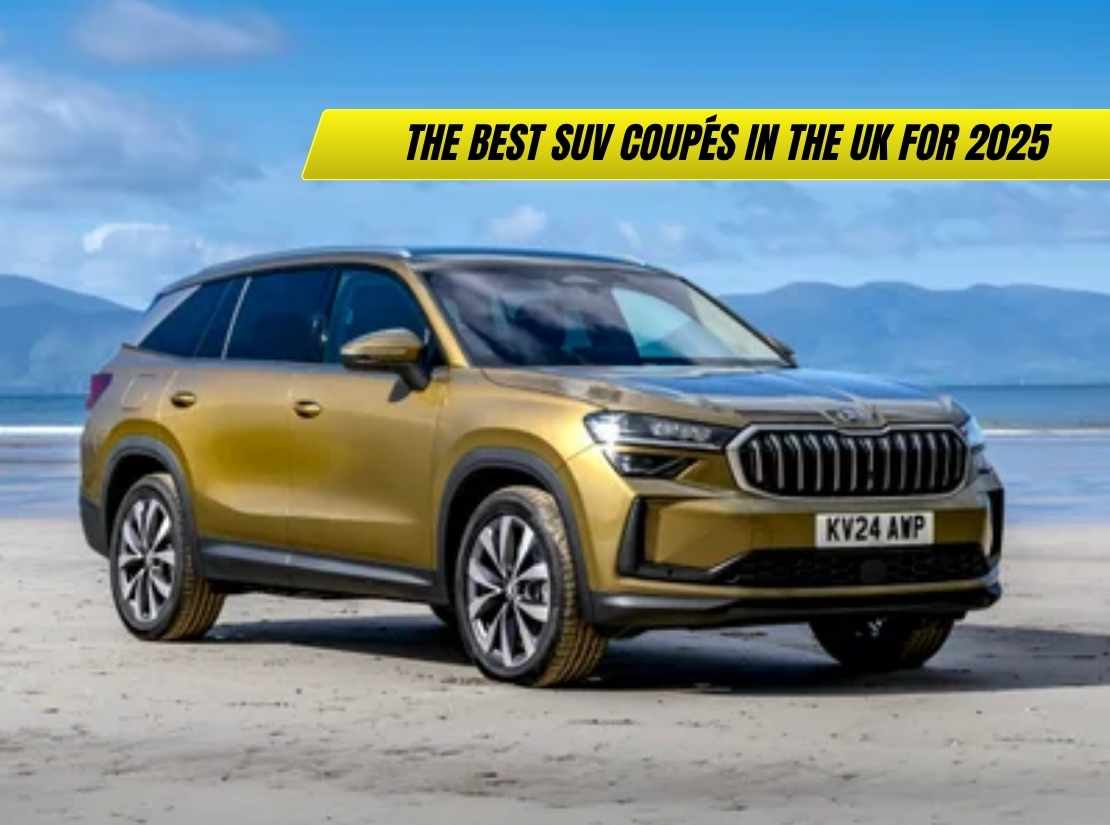
The SUV coupé might seem like an oxymoron – combining the practicality of an SUV with the sleek lines of a coupé – but it’s become one of the most compelling segments in today’s automotive landscape. Far from being a compromise, the best examples prove you can have both head-turning style and genuine everyday usability.
According to our analysis at AutoHit, 2025 represents a watershed moment for SUV coupés in the UK market. We’re seeing everything from electric newcomers challenging Tesla’s dominance to established luxury brands perfecting their formulas. The quality gap between segments is narrowing, while the choice for UK buyers has never been broader.
We’ve spent considerable time testing the latest SUV coupés across British roads, and the conclusion is clear: this isn’t about trading substance for style anymore. The best models deliver both in spades, often offering more engaging driving experiences than their conventional SUV siblings while maintaining surprising practicality.
Key Highlights: • Electric revolution: New models like BYD Sealion 7 and Polestar 4 bringing fresh competition to established players • Premium refinement: German trio (BMW X4, Mercedes GLC Coupé, Audi Q5 Sportback) reaching new heights of sophistication • Performance focus: Many models now prioritising driving dynamics over pure practicality • Technology integration: Advanced infotainment and driver assistance systems as standard across the segment • Range expansion: Options now available from £35,000 to £150,000+, covering every budget and requirement
Compact SUV Coupés: Style Without Compromise
Cupra Formentor – From £35,850
The Formentor represents Cupra’s successful attempt to create something genuinely distinctive in the crowded compact SUV segment. As the brand’s first standalone model, it needed to make a statement – and it succeeds admirably.
Having driven various Formentor variants extensively across the UK, we can confirm it delivers on its sporting promises. The chassis tuning strikes an excellent balance between everyday usability and engaging dynamics, while the distinctive styling ensures it stands out in any car park.
The range of powertrains addresses diverse requirements, from efficient mild-hybrid units to the genuinely rapid VZ variants. For UK buyers, the plug-in hybrid versions offer compelling BiK rates for company car users while providing adequate electric-only range for urban commuting.
Interior quality matches or exceeds more expensive alternatives, with Cupra’s design team creating genuinely premium environments. The technology integration feels contemporary without being overwhelming, striking an appropriate balance for daily use.
Mid-Size Electric Leaders: The New Generation
BYD Sealion 7 – From £44,990
The Sealion 7 represents BYD’s most ambitious assault on the European SUV coupé segment, taking direct aim at the Tesla Model Y with superior interior materials and competitive pricing. Having tested it extensively against established rivals, it succeeds more often than it fails.
The interior quality genuinely impresses, with premium materials throughout and BYD’s signature 15.6-inch rotating touchscreen creating a distinctive ambience. While the software interface requires familiarisation, the hardware quality feels robust and well-engineered.
Performance credentials are impressive across the range. Even the entry-level Comfort variant produces 308bhp and achieves 0-62mph in 6.7 seconds, while the AWD variants deliver 523bhp and 4.5-second acceleration. These figures embarrass many traditional performance SUVs.
From our UK testing, the suspension tuning prioritises comfort over dynamic excellence, which suits British road conditions well. The focus on refinement rather than sporting handling makes sense for family-focused buyers, though enthusiasts might prefer more engaging alternatives.
The 283-312 mile range capability addresses most UK usage patterns, while the competitive pricing makes it accessible to mainstream buyers rather than early adopters. BYD’s expanding dealer network provides growing confidence in aftersales support.
Polestar 4 – From £59,990
The Polestar 4 occupies fascinating territory between the compact Polestar 2 and larger Polestar 3, creating something genuinely distinctive in the premium electric SUV segment. The absence of a rear window initially seems gimmicky but proves surprisingly practical in everyday use.
Interior design follows Polestar’s minimalist Scandinavian aesthetic, with premium materials and excellent build quality throughout. The technology integration feels mature and intuitive, avoiding the complexity that plagues some premium alternatives.
The Long Range Single Motor provides adequate performance for most requirements while maximising efficiency, though the Dual Motor variant’s 536bhp and 3.8-second acceleration puts it firmly in supercar territory. Both versions demonstrate impressive refinement and long-distance comfort.
From our perspective, the Polestar 4 succeeds because it offers genuine alternatives to established luxury brands. The combination of distinctive design, comprehensive equipment, and competitive pricing creates compelling appeal for buyers seeking something different.
Premium German Excellence: The Established Masters
BMW X4 – From £51,800
The X4 continues BMW’s tradition of creating engaging dynamics within practical packaging, though it faces an uncertain future as the brand streamlines its range. For those seeking a sporting SUV coupé, it remains one of the most rewarding options.
The base xDrive30i feels notably more athletic than direct rivals from Mercedes and Audi, with sharper steering response and more engaging handling characteristics. The M40i variant delivers genuine performance credentials while maintaining everyday usability.
Interior quality has improved significantly with recent updates, though the infotainment system lacks BMW’s latest iDrive interface. The driving position and control layout prioritise dynamic engagement over pure luxury, which aligns with the X4’s sporting character.
Boot space inevitably suffers compared to the regular X3, though the 18.5-cubic-foot capacity remains adequate for most family requirements. The real compromise comes in rear-seat headroom, where the sloping roofline affects taller passengers.
Mercedes-Benz GLC Coupé – From £60,450
The GLC Coupé represents Mercedes’ mastery of luxury SUV development, combining sophisticated engineering with premium refinement. Recent updates have enhanced technology integration while maintaining the brand’s focus on comfort and quality.
The cabin environment feels genuinely premium, with excellent material selection and comprehensive equipment levels. The MBUX infotainment system operates intuitively while providing extensive functionality, though some buyers may find the touch-sensitive controls frustrating.
Dynamic capabilities impress for a luxury-focused vehicle, with adaptive suspension creating excellent ride quality without compromising handling competence. The air suspension option further enhances comfort while providing variable ride height for difficult terrain.
Interior space matches the regular GLC SUV in most dimensions, with only minor compromises for rear-seat headroom. The 18.1-cubic-foot boot capacity proves adequate for family use, though it trails some alternatives for pure cargo volume.
Audi Q5 Sportback – From £51,410
The Q5 Sportback demonstrates Audi’s engineering competence applied to the SUV coupé format, creating perhaps the most balanced proposition in the premium segment. The styling sacrifices less practicality than alternatives while maintaining distinctive visual appeal.
Interior quality meets Audi’s premium standards, with excellent fit and finish throughout. The technology integration feels comprehensive without being overwhelming, though the interface lacks the intuitive operation of some competitors.
The range of efficient powertrains includes diesel and petrol options with mild-hybrid assistance, providing genuine choice for diverse driving requirements. The quattro all-wheel-drive system delivers reassuring capability in challenging conditions.
Practicality remains impressive despite the coupé styling, with minimal boot space penalty compared to the regular Q5. The rear-seat accommodation suits adult passengers comfortably, making it genuinely viable for family use.
Large Luxury Options: No-Compromise Performance
Porsche Macan Electric – From £69,800
The all-electric Macan represents Porsche’s successful transition to electrification while maintaining the brand’s sporting DNA. The absence of combustion engines allows for more sophisticated weight distribution and lower centre of gravity.
Performance credentials are impressive across the range, with even the base variant delivering 335bhp and 5.7-second acceleration. The Turbo variants provide genuinely supercar-level performance while maintaining everyday usability.
Interior quality reflects Porsche’s premium positioning, with excellent materials and comprehensive equipment levels. The technology integration feels sophisticated while avoiding unnecessary complexity, maintaining focus on driving experience.
The charging capability impresses, with 270kW peak rates enabling rapid replenishment during longer journeys. The range figures prove adequate for most UK usage patterns while the charging infrastructure continues expanding.
BMW X6 – From £66,905
The X6 pioneered the large SUV coupé segment and continues refining the formula with each generation. Despite its polarising styling, it delivers impressive capability across diverse requirements.
The range of powertrains addresses everything from efficiency to outright performance, with mild-hybrid assistance improving real-world economy. The M variants provide genuinely rapid acceleration while maintaining luxury credentials.
Interior space proves generous despite the dramatic roofline, with adequate accommodation for four adults and reasonable boot capacity. The elevated driving position provides excellent visibility while the premium materials create luxurious ambience.
Dynamic capabilities excel for such a large vehicle, with precise steering and controlled body movements through challenging sections. The adaptive suspension manages the balance between comfort and control effectively.
Value-Focused Alternatives: Accessible Excellence
Toyota C-HR – From £32,610
The C-HR demonstrates that distinctive styling doesn’t require premium pricing, creating compelling appeal in the compact SUV coupé segment. The hybrid-only powertrain strategy provides excellent efficiency while maintaining adequate performance.
Interior quality exceeds expectations for the price point, with Toyota’s renowned reliability providing long-term confidence. The technology integration feels contemporary while avoiding unnecessary complexity.
The hybrid system operates seamlessly in urban conditions while providing reasonable performance for motorway driving. Real-world efficiency consistently exceeds 50mpg, making it cost-effective for high-mileage users.
Boot space is limited compared to conventional SUVs, though the 377-litre capacity proves adequate for most requirements. The rear-seat accommodation suits average-height passengers comfortably.
Kia XCeed – From £25,945
The XCeed occupies interesting territory between conventional hatchback and SUV, creating practical appeal at accessible pricing. The elevated driving position and increased ground clearance provide SUV-like character without the size penalty.
Interior space impresses for the external dimensions, with adequate accommodation for four adults and reasonable boot capacity. The seven-year warranty provides extended peace of mind while the established dealer network ensures accessible support.
The range of efficient engines includes mild-hybrid options that secure ECO classification for urban access benefits. Real-world efficiency proves impressive across the powertrain range.
Build quality meets modern standards while the equipment levels provide good value for money. The driving experience prioritises comfort over sporting character, which suits the target audience well.
Our Expert Recommendations by Priority
Best Overall Value: Cupra Formentor (£35,850)
For buyers seeking distinctive styling, engaging dynamics, and premium features at accessible pricing, the Formentor delivers exceptional value. The combination of Volkswagen Group engineering and Cupra’s sporting focus creates compelling appeal.
Best Electric Option: BYD Sealion 7 (£44,990)
The Sealion 7 offers Tesla Model Y capability at competitive pricing with superior interior materials. The performance credentials and range capability make it viable for diverse usage patterns while the expanding dealer network provides growing confidence.
Best Premium Choice: Mercedes GLC Coupé (£60,450)
For luxury-focused buyers, the GLC Coupé combines sophisticated engineering with premium refinement. The comprehensive equipment levels and excellent build quality justify the pricing premium over volume alternatives.
Best Driving Experience: BMW X4 (£51,800)
Despite uncertain future prospects, the X4 remains the most engaging option in the premium segment. The combination of sporting dynamics and practical usability creates unique appeal for enthusiast buyers.
Best Technology: Polestar 4 (£59,990)
The minimalist Scandinavian approach to technology integration provides sophisticated functionality without overwhelming complexity. The distinctive design and comprehensive equipment create compelling premium appeal.
UK Market Considerations
Insurance and Running Costs
SUV coupés typically attract higher insurance premiums than conventional SUVs due to their performance focus and higher repair costs. However, safety technology standard across most models helps control premiums, while efficient powertrains maintain reasonable running costs.
Electric models benefit from minimal road tax and congestion charge exemptions, though higher purchase prices affect total cost of ownership calculations. Company car users should consider BiK implications, particularly for plug-in hybrid variants.
Practicality Compromises
While modern SUV coupés minimise practicality compromises, buyers should still consider real-world requirements. Boot space typically reduces by 10-15% compared to conventional SUV siblings, while rear-seat headroom may affect taller passengers.
For families with regular four-adult occupancy or significant cargo requirements, conventional SUVs may prove more suitable despite the styling appeal of coupé variants.
Resale Value Considerations
Premium German models typically demonstrate strong residual values due to brand prestige and build quality. Electric alternatives show promising early performance though longer-term trends remain developing.
Limited production runs and distinctive styling often help maintain values, though this varies significantly between brands and model positioning.
Frequently Asked Questions
Q: Are SUV coupés actually practical for family use?
Modern SUV coupés prove surprisingly practical for most families. While boot space reduces compared to conventional SUVs, the difference typically amounts to 50-100 litres rather than dramatic compromise. Rear-seat headroom requires consideration for taller passengers, but most models accommodate average adults comfortably. The elevated driving position and ground clearance provide SUV benefits while the styling creates distinctive appeal.
Q: How do running costs compare to conventional SUVs?
Running costs vary primarily by powertrain rather than body style. Insurance premiums may increase slightly due to higher performance and repair costs, but efficient engines and hybrid systems often provide excellent real-world economy. Electric models offer minimal energy costs for home charging while avoiding road tax and congestion charges. Service costs typically match conventional SUV siblings from the same manufacturer.
Q: Which models offer the best combination of style and practicality?
The Audi Q5 Sportback and Mercedes GLC Coupé provide the best balance of distinctive styling with minimal practicality compromise. Both maintain nearly identical interior space to their SUV siblings while creating more dynamic visual appeal. The BYD Sealion 7 offers excellent space utilisation in electric form, while the Cupra Formentor delivers sporting character with adequate family capability.
Q: Are electric SUV coupés worth considering?
Electric SUV coupés often provide superior packaging efficiency compared to combustion alternatives, as the low-mounted battery improves centre of gravity while maximising interior space. Models like the BYD Sealion 7 and Polestar 4 offer impressive range, rapid charging, and distinctive styling at competitive prices. The quiet operation and instant performance suit the luxury positioning well.
Q: How important is brand reputation when choosing an SUV coupé?
Brand reputation affects resale values, dealer network quality, and parts availability. Established premium brands (BMW, Mercedes, Audi) typically provide stronger residuals and comprehensive support networks. Newer entrants like BYD offer compelling value and modern technology but with less established service infrastructure. Consider intended ownership duration and local dealer support when making decisions.
Q: Should I wait for upcoming model updates?
The SUV coupé segment evolves rapidly, with electric variants arriving regularly. However, current models offer excellent capability and value, while waiting often means missing available incentives or competitive pricing. If current models meet your requirements, immediate purchase typically proves more beneficial than waiting for uncertain future improvements.
Q: How do insurance costs compare between different SUV coupé segments?
Insurance costs vary significantly by performance level and brand positioning. Compact models like the Toyota C-HR typically fall into reasonable insurance groups, while premium performance variants attract higher premiums. Electric models often benefit from safety technology that helps control costs, though higher purchase prices affect comprehensive coverage. Obtain specific quotes for meaningful comparison.
Market Outlook and Future Trends
Electrification Acceleration
The SUV coupé segment is rapidly transitioning toward electrification, with new electric models arriving regularly. Battery technology improvements enable better range and performance while charging infrastructure expansion addresses practical concerns.
Traditional manufacturers are responding with electric alternatives to combustion models, while new entrants like BYD provide fresh competition and value propositions.
Technology Integration
Advanced driver assistance systems, sophisticated infotainment, and over-the-air updates are becoming standard rather than optional across the segment. This represents significant added value compared to vehicles purchased just 2-3 years ago.
The focus on technology integration creates differentiation opportunities for manufacturers while providing genuine benefits for daily use.
Design Evolution
Styling continues evolving toward more dramatic differentiation from conventional SUVs, with manufacturers confident that practicality compromises are acceptable for target buyers. Aerodynamic requirements for electric models drive additional design changes.
The trend toward more distinctive styling suggests the segment will continue diverging from conventional SUVs rather than converging.
The Bottom Line: Style Meets Substance
Having evaluated the complete SUV coupé landscape available in the UK, our conclusion is definitive: this segment has matured beyond the style-over-substance compromises of early examples. The best current models deliver genuine capability alongside distinctive visual appeal.
Our assessment: 2025 represents the SUV coupé segment’s coming of age. Electric newcomers provide fresh competition while established manufacturers refine their formulas. The choice for UK buyers spans accessible alternatives to no-compromise luxury, with compelling options at every price point.
The key to success lies in understanding priorities: buyers seeking maximum practicality should consider conventional SUVs, while those valuing distinctive styling and often superior dynamics will find SUV coupés increasingly compelling.
For UK buyers in 2025, the SUV coupé segment offers mature products that successfully balance style with substance. Whether prioritising efficiency, luxury, technology, or pure driving enjoyment, compelling options exist without requiring significant compromise.
The transformation from niche curiosity to mainstream viability reflects improved engineering, competitive pricing, and recognition that many buyers value emotional appeal alongside rational requirements. In a world of increasingly similar-looking SUVs, the distinctive character of SUV coupés provides welcome differentiation.
Our recommendation: Consider SUV coupés as serious alternatives rather than compromise choices. Test drive across different segments to understand the real-world practicality trade-offs – they’re often less significant than expected while the style and dynamic benefits prove immediately apparent.





