
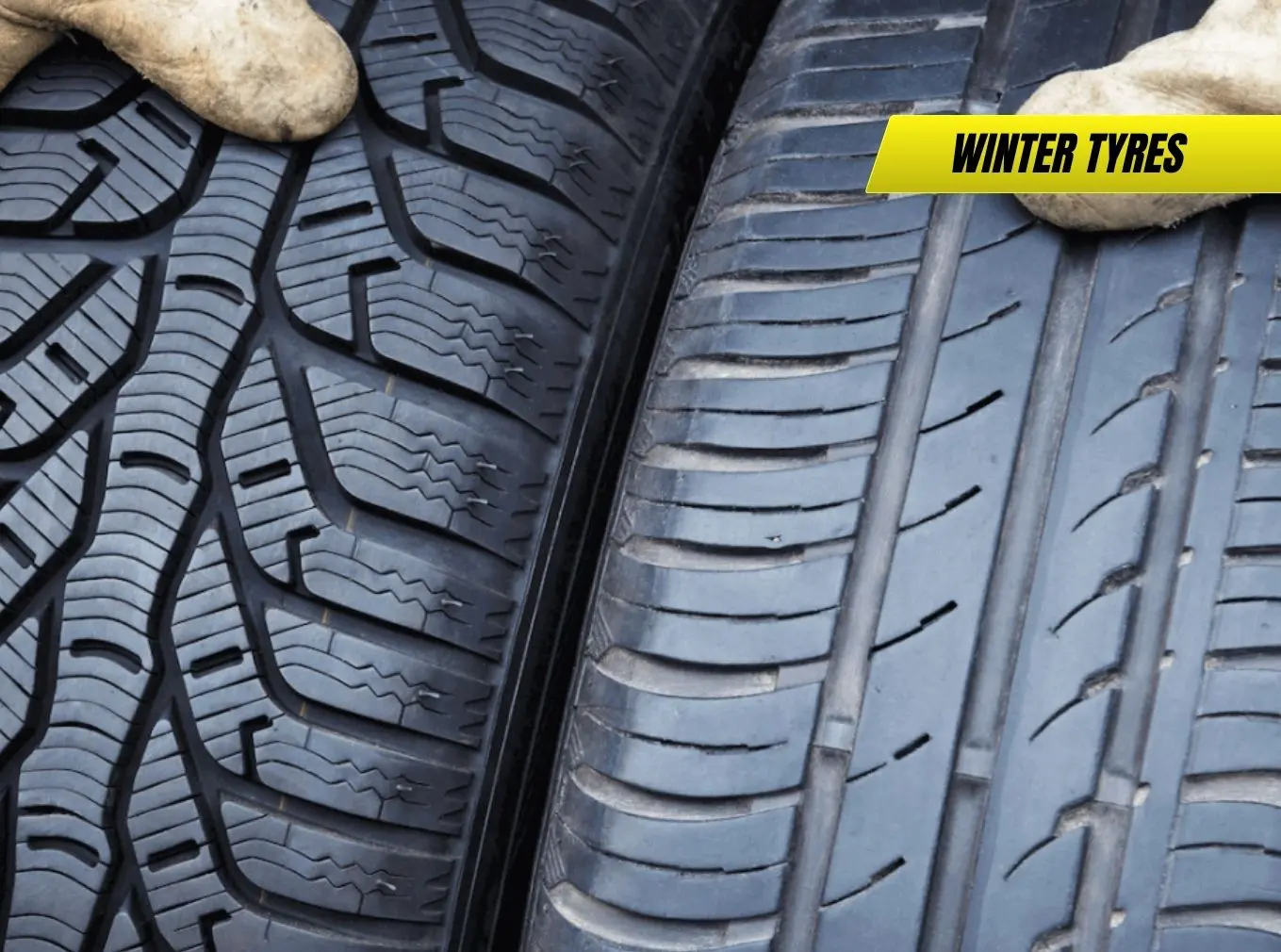
Complete UK winter tyres guide covering legal requirements, best brands, when to fit winter tyres and performance benefits. Essential cold weather driving advice for British motorists.
As UK winters become increasingly unpredictable with sudden temperature drops and unexpected snowfall, understanding winter tyre technology has become essential for safe driving. From my experience testing various winter tyres across different UK conditions, the performance benefits extend far beyond snow and ice, offering significant safety improvements in cold, wet conditions that dominate British winters. This comprehensive guide covers everything UK drivers need to know about winter tyres, from legal requirements to performance comparisons.
Key Benefits: Winter Tyres in the UK
- Enhanced grip in temperatures below 7°C, even on dry roads
- Shorter stopping distances in cold, wet conditions compared to summer tyres
- Improved traction on snow and ice with specialised tread patterns
- Legal compliance for European travel where winter tyres are mandatory
- Insurance benefits with some providers offering discounts for winter tyre use
- Year-round safety improvements during extended cold periods
Understanding Winter Tyre Technology
Winter tyres utilise softer rubber compounds that remain flexible in temperatures below 7°C, unlike summer tyresthat harden and lose grip in cold conditions. Specialised tread patterns feature deeper grooves and numerous sipes(thin slits) creating additional biting edges for enhanced traction.
Compound formulation includes higher natural rubber content and silica additives maintaining elasticity at low temperatures. Tread depth typically starts at 8-9mm compared to summer tyres’ 7-8mm, providing extended wet weather performance throughout the tyre’s lifespan.
Construction differences include optimised sidewall flexibility and enhanced puncture resistance accounting for harsh winter conditions and potential road debris from gritting operations.
| Winter vs Summer Tyre Comparison | Winter Tyres | Summer Tyres | Performance Difference |
|---|---|---|---|
| Optimal temperature range | Below 7°C | Above 7°C | Significant grip variation |
| Stopping distance (5°C, wet) | Shorter | 10-15% longer | Critical safety margin |
| Snow traction | Excellent | Poor | Dramatic difference |
| Fuel economy | Slightly higher rolling resistance | Lower rolling resistance | 2-5% difference |
From my testing experience, the performance crossover point occurs around 7°C, below which winter tyres provide measurably superior grip regardless of surface conditions.
UK Legal Requirements and Regulations
No legal mandate exists for winter tyre fitment in the UK, unlike many European countries with seasonal requirements. Minimum tread depth of 1.6mm applies year-round, though winter performance degrades significantly below 4mm tread depth.
European travel during winter months may require winter tyre compliance or snow chain carriage depending on destination countries and seasonal regulations. German, Austrian, and Scandinavian requirements prove particularly strict.
Insurance implications remain minimal for UK-only driving, though some providers offer discounts for winter tyre fitment. Negligence claims might consider tyre appropriateness for prevailing conditions, particularly during severe weather events.
Commercial vehicles face enhanced scrutiny regarding tyre suitability, with professional drivers expected to match equipment to operating conditions and cargo responsibilities.
For drivers concerned about vehicle warning lights during winter months, our guide to AdBlue warning lights covers important winter-related diagnostic issues.
When to Fit Winter Tyres in the UK
Temperature-based switching proves more relevant than calendar dates for UK conditions. Consistent temperatures below 7°C indicate optimal winter tyre periods, typically November through March in most UK regions.
Scotland and Northern England often justify earlier fitment and extended seasons due to prolonged cold periods. Southern England may require winter tyres for shorter periods, though sudden weather changes can catch drivers unprepared.
Professional drivers and high-mileage users particularly benefit from winter tyre safety margins, whilst occasional drivers might consider all-season compromises for convenience and cost reduction.
Storage considerations influence switching practicality, requiring dry storage space and seasonal changeover logistics. Tyre retailer storage services offer convenient alternatives for space-constrained drivers.
Regional Variations Across the UK
Highland Scotland experiences harshest conditions justifying longest winter tyre seasons, potentially October through April. Mountain regions of Wales and Northern England face similar extended requirements.
Urban areas benefit from heat island effects and rapid snow clearance, though suburban and rural locationsexperience more challenging conditions with limited gritting coverage.
Coastal regions face milder temperatures but increased rainfall and sudden temperature variations that can create unexpected hazardous conditions.
Winter Tyre Performance Benefits
Wet Weather Performance
Enhanced aquaplaning resistance results from deeper grooves and optimised water evacuation. Stopping distances on wet roads at 5°C can be 10-15% shorter with winter tyres compared to summer alternatives.
Cornering stability improves significantly in cold, wet conditions due to maintained rubber flexibility and superior road contact. Motorway driving during winter rainstorms demonstrates clear safety advantages.
Braking performance shows most dramatic improvements during emergency situations when maximum gripbecomes critical for accident avoidance. ABS effectiveness increases with winter tyre grip levels.
Snow and Ice Traction
Snow performance depends on tread pattern design and compound formulation. Directional patterns excel in straight-line traction, whilst asymmetric designs provide balanced performance across varied conditions.
Ice traction proves limited without studded tyres (illegal on UK roads), though winter compounds maintain some flexibility compared to hardened summer rubber. Black ice conditions require extreme caution regardless of tyre choice.
Hill climbing and slope descent improve substantially with winter tyres, providing confidence for challenging terrain common in rural UK locations.
Top Winter Tyre Brands and Models
Premium Performance Options
Continental WinterContact TS870 represents current technology leaders with excellent wet performance and reasonable wear rates. Price points reflect premium positioning but deliver measurable safety benefits.
Michelin Pilot Alpin 5 offers superior longevity and fuel efficiency alongside strong safety performance. Lower rolling resistance partially offsets higher purchase costs through improved fuel economy.
Bridgestone Blizzak LM005 excels in severe conditions with outstanding snow traction though potentially compromises some dry road performance.
Mid-Range Value Choices
Goodyear UltraGrip Performance+ provides excellent value proposition with strong safety performance at reasonable price points. Availability across multiple size ranges suits diverse vehicle requirements.
Pirelli Cinturato Winter offers good all-round capability with particular strength in wet conditions common to UK winters. Wear characteristics prove competitive for medium-mileage drivers.
Dunlop Winter Sport 5 delivers solid performance across all winter conditions with proven reliability and widespread dealer support.
For drivers considering SUV winter requirements, our guide to best SUVs under £30,000 covers winter-capable vehicles that complement winter tyre installations.
All-Season Tyres as Winter Alternatives
All-season tyres offer year-round convenience eliminating seasonal changeovers whilst providing acceptable winter performance. Compromise solutions prove practical for moderate UK conditions and lower-mileage drivers.
M+S markings (Mud and Snow) indicate winter capability though performance levels vary significantly between manufacturers and specific models. 3PMSF symbols (Three Peak Mountain Snowflake) confirm enhanced winter testing and superior snow performance.
Wear rates typically exceed summer tyres due to softer compounds, though single set operation eliminates storage costs and changeover expenses. Total cost analysis often favours all-season solutions for lower-mileage applications.
Popular All-Season Options
Michelin CrossClimate 2 leads all-season performance with excellent wet weather capability and acceptable snow traction. Premium pricing reflects advanced technology and proven safety benefits.
Continental AllSeasonContact provides strong all-round performance with good longevity characteristics. Mid-range pricing offers accessible entry point for all-season adoption.
Goodyear Vector 4Seasons Gen-3 delivers reliable performance across varied conditions with competitive pricingand wide size availability.
Installation and Storage Considerations
Professional Fitting Requirements
Professional installation ensures correct fitment, pressure settings, and wheel alignment optimising safety and performance. TPMS reset procedures may be necessary when changing between seasonal sets.
Wheel inspection during changeovers identifies potential damage or wear issues requiring attention. Balancing checks prevent vibration problems and irregular wear patterns.
Torque specifications must be correctly applied to prevent wheel damage or loosening. Post-installation checksafter 50-100 miles ensure proper settling and continued safety.
Storage Best Practices
Dry storage in cool conditions preserves rubber integrity and extends service life. Vertical storage prevents deformation whilst rotation periodically prevents flat spots during extended storage periods.
Pressure maintenance at recommended levels prevents sidewall damage and maintains shape integrity. Protection from sunlight and chemical exposure prevents degradation and cracking.
Tyre retailer storage services eliminate home storage requirements whilst ensuring proper care and convenient seasonal changeovers. Annual inspection during changeover identifies replacement requirements.
Cost Analysis and Value Proposition
Purchase and Running Costs
Winter tyre prices range from £60-200+ per tyre depending on size, brand, and performance level. Full set costsincluding fitting typically range £300-£1000+ for most passenger cars.
All-season alternatives cost 10-30% more than summer tyres but eliminate storage and changeover costs. Total ownership analysis must consider mileage patterns, storage availability, and safety priorities.
Fuel economy impacts remain minimal with modern winter tyres, though slightly higher rolling resistance may increase consumption by 2-5% compared to premium summer alternatives.
Insurance and Safety Benefits
Accident avoidance value proves difficult to quantify though shorter stopping distances and improved controlprovide clear safety margins. Insurance discounts offset some costs with participating providers.
Peace of mind benefits justify winter tyre investments for safety-conscious drivers, particularly those with family responsibilities or professional driving requirements.
Breakdown reduction due to weather-related incidents provides additional value through reduced recovery costsand journey disruption.
Maintenance and Performance Monitoring
Tread Depth Management
Winter performance degrades significantly below 4mm tread depth, earlier than legal minimum of 1.6mm. Regular measurement across all tyres ensures consistent performance and identifies rotation requirements.
Uneven wear patterns indicate alignment issues, pressure problems, or suspension wear requiring professional attention. Seasonal inspections provide optimal monitoring opportunities.
Replacement timing should prioritise safety margins over legal minimums, particularly for winter tyres where deep treads prove critical for aquaplaning resistance and snow traction.
Pressure Monitoring
Temperature variations affect tyre pressures significantly during winter months. Regular pressure checks prevent under-inflation that compromises safety and increases wear rates.
TPMS systems provide automated monitoring though manual checks remain advisable for optimal accuracy. Pressure adjustments should account for temperature changes and load variations.
Cold pressure settings should follow manufacturer recommendations, typically measured when tyres are coldbefore driving.
❓ Frequently Asked Questions
Are winter tyres worth it for UK driving conditions?
Winter tyres provide significant safety benefits below 7°C regardless of snow presence. Shorter stopping distancesand improved grip on cold, wet roads common in UK winters justify the investment for safety-conscious drivers. Cost-benefit analysis depends on mileage, storage availability, and regional climate conditions.
When should I switch from summer to winter tyres?
Switch to winter tyres when daytime temperatures consistently remain below 7°C, typically November in most UK regions. Early switching proves safer than delayed adoption, as sudden weather changes can create hazardous conditions. Professional advice based on local conditions and driving patterns provides optimal timing guidance.
Can I mix winter and summer tyres on the same vehicle?
Never mix different tyre types on the same axle as this creates dangerous handling imbalances. All four tyresshould be same type and preferably same brand/model. Mixed setups can cause unpredictable vehicle behaviour, particularly during emergency manoeuvres or challenging conditions.
How long do winter tyres last compared to summer tyres?
Winter tyre lifespan typically ranges 20,000-40,000 miles depending on compound, driving style, and seasonal usage patterns. Softer compounds may wear faster than summer tyres but seasonal usage often extends calendar life. Proper storage and rotation maximise longevity and performance retention.
Do I need winter tyres for motorway driving only?
Winter tyres benefit all driving conditions below 7°C, including motorways, A-roads, and urban driving. High-speed stability improves with winter tyres in cold conditions, whilst urban stop-start driving benefits from enhanced grip during acceleration and braking. Comprehensive benefits extend beyond specific road types.
Are all-season tyres a good alternative to winter tyres?
All-season tyres provide acceptable winter performance with year-round convenience but cannot match dedicated winter tyre performance in severe conditions. Compromise solution suits moderate climates and drivers prioritising convenience. Severe winter conditions still favour dedicated winter tyres for maximum safety margins.
What’s the difference between M+S and 3PMSF markings?
M+S markings indicate basic winter capability but lack standardised testing requirements. 3PMSF symbols(snowflake mountain icon) confirm enhanced snow performance meeting specific testing standards. 3PMSF tyresprovide superior winter performance and meet European winter requirements where M+S may prove insufficient.
Making the Right Winter Tyre Decision
Choosing appropriate winter driving equipment depends on individual circumstances, driving patterns, and safety priorities. From my experience, dedicated winter tyres provide unmatched safety benefits for UK drivers facing regular cold conditions, particularly those in northern regions or rural areas.
All-season alternatives suit urban drivers with moderate mileage and limited storage options, providing acceptable safety improvements with enhanced convenience. Budget considerations must balance upfront costsagainst safety benefits and potential accident avoidance.
Professional advice from tyre specialists considering specific vehicle requirements, driving patterns, and local conditions ensures optimal tyre selection. Safety margins justify winter tyre investments for most UK driversfacing extended cold periods.
For comprehensive guidance on vehicle maintenance during winter months, including diagnostic procedures and warning systems, explore our detailed guide to timing chain maintenance to ensure complete winter vehicle preparation.





