Tyres are one of the easiest costs to overlook when viewing a used car. A clean body and a convincing service history do not reveal whether the rubber is worn, damaged or unsuitable. For UK buyers, the legal tread figure is only the starting point: the whole tread, sidewalls, tyre markings and any spare or repair kit need checking before agreeing a price.
Start with the legal tread minimum
Every fitted car tyre should have at least 1.6mm of tread across the legally relevant area. Below that minimum, the vehicle is unroadworthy, so it is a serious buying concern rather than a minor bargaining point. The RAC’s used-car checklist and Auto Express’s used-car guide both identify tyre condition as an essential part of a pre-purchase inspection.
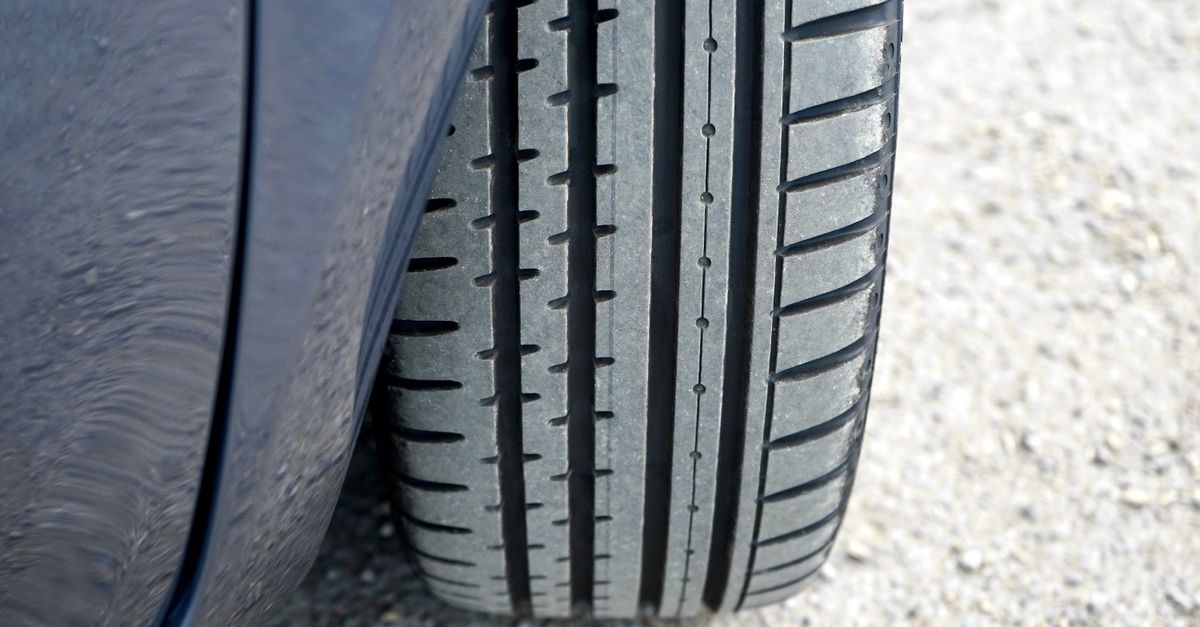
Check all four tyres, not just the one that is easiest to see. A tread-depth gauge is more reliable than judging by eye. Check across the width of each tyre — including the inner, middle and outer areas — and repeat the inspection at several points around the circumference. Looking only at one central groove can miss serious wear elsewhere.
Treat uneven wear as a warning
Uneven tread wear is important even when the tyre still appears to have legal depth. One shoulder wearing faster than the rest, or a noticeably worn strip, may point to wheel-alignment, suspension or maintenance issues.
That pattern is a clue, not a diagnosis. Ask the seller what work has been carried out and, if the car is otherwise appealing, arrange an independent inspection before committing. The RAC vehicle checklist and Which?’s used-car advice both stress checking the tread across the tyre rather than relying on one spot.
Inspect the sidewalls and tread for damage
Run your eyes over the visible sidewalls and tread for cracks, cuts, bulges and deterioration. Also look for signs that a tyre may have suffered an impact or been repaired. A tyre can have legal tread remaining and still be unsuitable because its condition has deteriorated.
The guidance from What Car? and The Motor Ombudsman supports treating visible damage as a separate issue from tread depth. Do not try to decide that a bulge, serious crack or cut is harmless simply because the grooves look deep. If the rubber looks unsafe, ask a qualified tyre professional to assess it before the car is driven away.
Compare all four tyres and check the spare
The four fitted tyres should be suitable for the car and have matching specifications. Compare the markings on each tyre with the vehicle’s recommended information, using the handbook or other manufacturer information where available. If you cannot establish that the set is suitable, ask for a professional check rather than making assumptions.
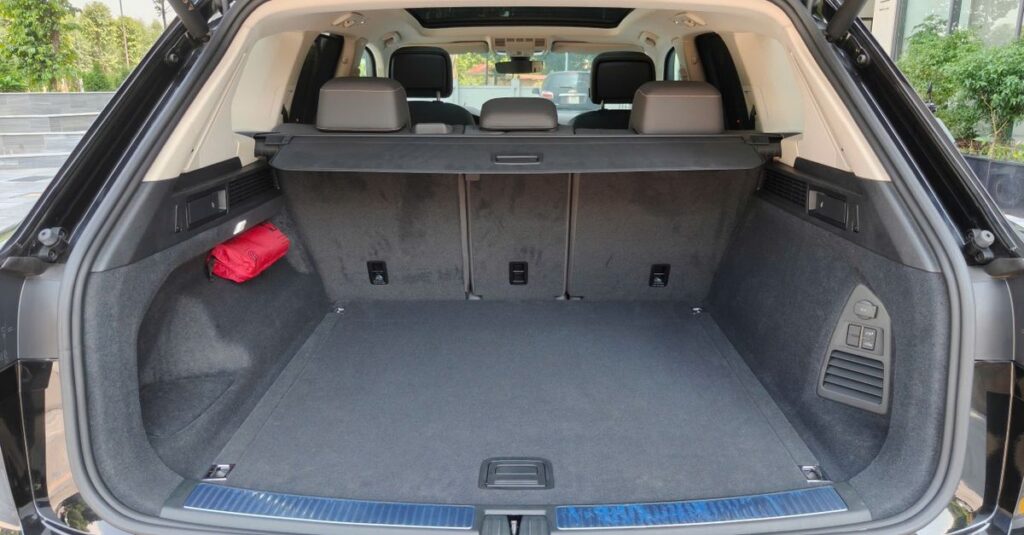
If the car is supplied with a spare wheel or a tyre-repair kit, inspect that as well. Check that it is present and appears usable; equipment hidden in the boot is still part of what you are buying. Auto Trader’s used-car inspection advice also recommends checking supplied spare equipment, while its test-drive guidance is a reminder to assess the car as a whole rather than relying on a single visual detail.
Consider age and previous use
Record the date information visible on each tyre. Age is not an automatic pass-or-fail test, but it matters alongside condition and history. Tyre condition can be affected by age, pressure history, impacts, repairs and the way the car has been driven.
Do not apply a fixed expiry rule to every tyre. The available UK buying guidance does not establish one universal mandatory replacement age for every otherwise legal tyre, so age should be considered with visible condition and previous use. If the rubber looks aged or damaged, seek qualified advice rather than relying on the tread measurement alone.
What each finding means before you buy
- Below 1.6mm: Treat the car as unroadworthy until the tyre is replaced and the issue is resolved.
- Legal but unevenly worn: Ask why it has happened and arrange a check for possible alignment, suspension or maintenance problems.
- Cracks, cuts, bulges or deterioration: Do not dismiss the damage because the tread is legal; obtain a professional assessment.
- Unclear or unsuitable specifications: Ask the seller to correct the problem or have the tyres checked before completing the purchase.
- Older-looking rubber: Record the date marking and consider the tyre’s condition, pressure history, impacts, repairs and driving history together.
A quick used-car tyre checklist
Before agreeing a price, make sure you have:
- Checked all four fitted tyres.
- Examined tread across the inner, middle and outer areas and around the circumference.
- Looked for cracks, cuts, bulges and deterioration on the tread and sidewalls.
- Compared the tyres’ specifications with the car’s recommended requirements.
- Inspected the spare wheel or repair kit if one is supplied.
- Recorded visible date information and asked about previous repairs, impacts or unusual wear.
- Arranged a qualified independent inspection if anything looks unsafe or unexplained.
The 1.6mm figure is a legal floor, not a guarantee of a healthy tyre. A proper check combines tread depth with even wear, structural condition, suitable specifications, age and history — and it can reveal a safety issue or a future cost before you buy the car.
Source 1 · Source 2 · Source 3 · Source 4 · Source 5 · Source 6 · Source 7 · Source 8 · Source 9 · Source 10