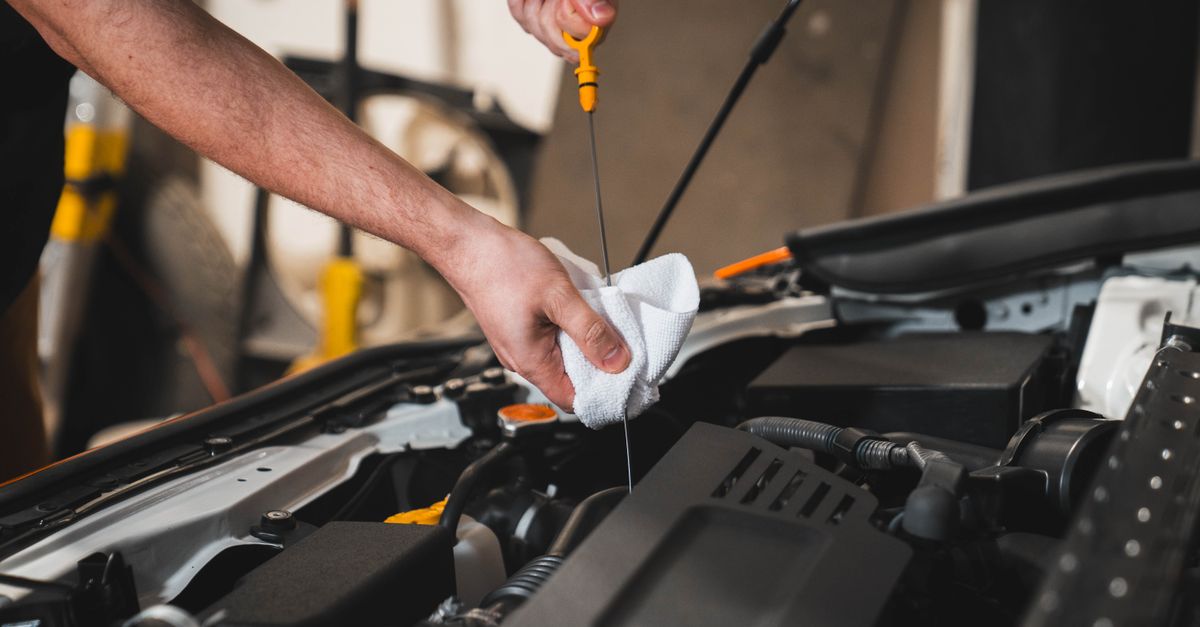
Checking your car’s coolant is a small job that can expose a problem before it becomes an overheating breakdown. The fluid helps regulate engine temperature, protects against freezing and can help prevent corrosion. However, a level that keeps falling should not be treated as a routine top-up: it may indicate a leak, while repeated coolant loss can lead to overheating and serious engine damage. The RAC explains the basic coolant check here, with further maintenance guidance from Haynes.
Check the level only with a cold engine
The cooling system can be pressurised after a drive. Never remove the coolant filler cap while the engine is hot, because hot fluid may escape and cause serious burns. Allow the engine to cool fully before checking the reservoir, as advised by the RAC and AXA.
When the engine is cold:
- Use the owner’s handbook to identify the coolant expansion tank and the correct filler point.
- Read the level against the MIN and MAX markings on the tank.
- If the level is low, check the handbook for the correct coolant type, mixture and refill procedure.
- Add only the coolant specified for the vehicle. Do not guess based on a generic product or assume that every coolant is suitable.
Water may be suitable as a short-term emergency measure, but it should not replace the correct coolant mixture. Haynes and TotalEnergies both stress the importance of using the appropriate coolant for the car.
Signs that your car may be losing coolant
A low reservoir is not the only clue. Possible signs of a coolant leak include:
- coloured fluid beneath the car;
- a sweet smell around the vehicle or engine bay;
- a low-coolant warning light; and
- the engine running hotter than usual.
These symptoms do not identify the failed component by themselves. Potential leak points include hoses, the radiator, seals and the radiator cap. The RAC’s guide to coolant leaks explains why repeated loss needs investigation, while its guide to identifying fluid leaks lists the warning signs drivers may notice.
A top-up may temporarily restore the level, but it does not explain why fluid has disappeared. If the level falls again, arrange a professional inspection rather than repeatedly adding coolant and continuing to drive as normal.
What to do if the temperature rises
If the car displays a coolant or temperature warning, or the engine is running hotter than usual, stop safely and allow it to cool. Do not continue driving normally in the hope that the warning will clear, and do not open the filler cap while the system is hot.
Once the car has cooled, you may be able to check the level in line with the handbook, but an overheating vehicle may still need assistance or a professional inspection. The RAC’s overheating advice recommends stopping safely and arranging help rather than risking further damage.
There is no universal coolant schedule
The exact coolant type, mixture, checking interval and refill method vary between vehicles. The owner’s handbook should therefore take precedence over a general online guide. It should also be used to confirm whether a particular product is suitable before it is added.
For many drivers, the most useful routine is a quick cold-engine check when carrying out other basic maintenance, followed by closer attention if a warning light appears, the engine temperature changes or fluid is found under the car. A recurring drop in level is a fault to investigate, not a normal maintenance requirement.
The simple rule to remember
Check coolant only when the engine is cold, use the MIN and MAX marks, and top up only with the manufacturer-specified fluid. Never remove a hot coolant cap. If the level keeps falling or the engine overheats, stop safely and seek qualified help before a small leak becomes serious engine damage.
Source 1 · Source 2 · Source 3 · Source 4 · Source 5 · Source 6 · Source 7