
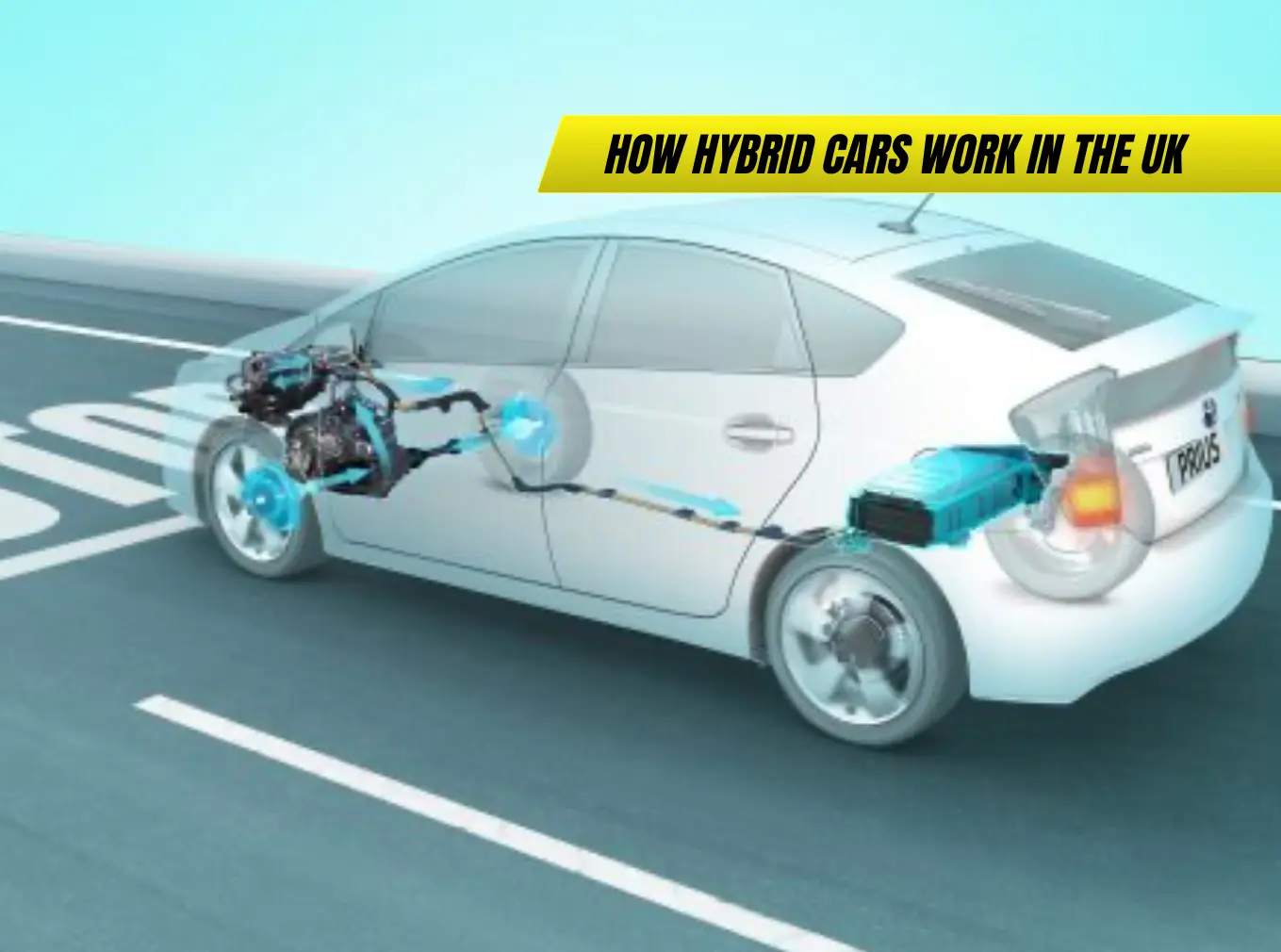
Complete UK hybrid car guide 2025: How hybrid technology works, types (mild, full, plug-in), real-world fuel consumption, and everything British drivers need to know.
Hybrid technology represents one of the most significant automotive innovations of the 21st century, offering UK drivers a sophisticated solution to rising fuel costs, environmental concerns, and increasing urban emission restrictions. As the automotive industry transitions toward electrification, hybrid vehicles serve as an essential bridge technology, combining the best aspects of conventional combustion engines with electric propulsion to deliver efficiency gains that seemed impossible just a decade ago. Understanding how these complex systems work, their various configurations, and real-world performance characteristics has become crucial for British motorists navigating an increasingly diverse automotive landscape.
Key Takeaways:
- ✓ Three main hybrid types: mild (10-15% efficiency gain), full (20-40% improvement), and plug-in (50+ mile electric range)
- ✓ Real-world fuel consumption often differs significantly from official WLTP figures, especially for plug-in hybrids
- ✓ UK driving patterns (urban stop-start, short journeys) particularly suit hybrid technology benefits
- ✓ Modern hybrids enhance rather than compromise driving experience through sophisticated integration
- ✓ Government 2035 ICE ban includes hybrids, making them transitional rather than long-term solutions
Understanding Hybrid Technology: The Engineering Behind Efficiency
Hybrid technology fundamentally reimagines automotive propulsion by intelligently combining two power sources to optimise efficiency, performance, and environmental impact. In my experience covering automotive technology evolution, modern hybrid systems represent sophisticated engineering achievements that seamlessly blend electric and combustion power in ways that enhance rather than compromise the driving experience.
The core principle behind all hybrid systems involves using electric motors to supplement internal combustion engines during their least efficient operating conditions while recovering energy that would otherwise be wasted. This approach addresses fundamental inefficiencies in conventional powertrains, particularly during urban stop-start driving that characterises much of UK motoring.
From my point of view, the elegance of hybrid technology lies in its ability to automatically optimise power delivery without requiring driver intervention or lifestyle changes. Unlike pure electric vehicles that demand charging infrastructure and range planning, hybrids operate transparently while delivering substantial efficiency improvements through intelligent system management.
Fundamental Hybrid Components:
- Internal Combustion Engine: Optimised for efficiency at steady speeds
- Electric Motor(s): Provide instant torque for acceleration and low-speed driving
- Battery Pack: Stores recovered energy and powers electric propulsion
- Power Control Unit: Manages energy flow between components
- Regenerative Braking System: Converts kinetic energy back to electrical energy
Energy Recovery Systems: Modern hybrids employ sophisticated energy management that captures power during braking, coasting, and engine overrun conditions. This recovered energy supplements battery charge without requiring external charging, making the system self-sustaining for regular driving patterns.
For those interested in how hybrid technology integrates with existing UK regulations, our guide to UK speed camera systems explains how modern vehicles support legal compliance through advanced technology.
Types of Hybrid Systems: Understanding the Differences
The hybrid landscape encompasses three distinct system types, each offering different benefits and suited to varying driver requirements and usage patterns.
Mild Hybrid Electric Vehicles (MHEV)
Mild hybrid systems represent the entry level of electrification, using small electric motors (typically 10-20bhp) to assist conventional engines without enabling pure electric driving.
Technical Specifications:
- Electric Motor Power: 10-20bhp assistance
- Battery Capacity: 0.5-1.0kWh lithium-ion
- Voltage System: 48V electrical architecture
- Efficiency Improvement: 10-15% fuel consumption reduction
How Mild Hybrids Work: The system assists the engine during acceleration when power demand is highest, allowing manufacturers to use smaller, more efficient engines without sacrificing performance. During deceleration and braking, the electric motor acts as a generator to recharge the battery through regenerative braking.
Key Features:
- Engine Stop-Start Enhancement: Electric motor enables smoother restarts
- Coasting Function: Engine shuts off during deceleration while electric motor maintains accessories
- Acceleration Assistance: Electric boost during initial acceleration reduces engine load
- Regenerative Braking: Captures kinetic energy during braking events
Real-World Benefits: Mild hybrids typically achieve 10-15% fuel economy improvements over equivalent non-hybrid engines, with particularly noticeable benefits in urban stop-start driving conditions common throughout UK cities.
Popular UK Mild Hybrid Models:
- Ford Puma MHEV: 1.0L EcoBoost with electric assistance
- Suzuki Swift Hybrid: 1.2L engine with integrated starter-generator
- Audi A3 MHEV: 2.0L TFSI with 48V mild hybrid system
Full Hybrid Electric Vehicles (HEV)
Full hybrid systems feature more powerful electric motors and larger batteries, enabling pure electric driving at low speeds while seamlessly blending electric and petrol power during normal operation.
Technical Architecture:
- Electric Motor Power: 50-100bhp+
- Battery Capacity: 1.5-3.0kWh
- System Voltage: 200-300V high-voltage systems
- Efficiency Improvement: 20-40% fuel consumption reduction
Operational Modes: Full hybrids automatically switch between multiple operating modes based on driving conditions and power requirements:
Electric Mode: Pure electric driving at low speeds (typically under 25-30mph) Hybrid Mode: Combined petrol and electric power for acceleration and highway cruising Engine Mode: Petrol engine primary power with electric assistance as needed Regenerative Mode: Electric motor acts as generator during braking and coasting
Toyota Hybrid Synergy Drive: Toyota’s pioneering system remains the benchmark for full hybrid technology, using planetary gear sets to continuously vary the contribution of electric and petrol power. This creates seamless power delivery without traditional gear changes while optimising efficiency across all driving conditions.
Real-World Performance: Full hybrids excel in urban environments where electric-only driving capability provides silent, emission-free operation while regenerative braking maximises energy recovery. Highway efficiency benefits are more modest but still significant compared to conventional engines.
Leading Full Hybrid Models:
- Toyota Prius: The original and most refined full hybrid system
- Toyota RAV4 Hybrid: Combines SUV practicality with exceptional efficiency
- Lexus ES Hybrid: Luxury saloon with sophisticated hybrid integration
Plug-In Hybrid Electric Vehicles (PHEV)
Plug-in hybrids bridge the gap between hybrids and pure electric vehicles, featuring large battery packs that enable substantial electric-only range while retaining petrol engines for unlimited range capability.
System Specifications:
- Electric Range: 20-60+ miles pure electric driving
- Battery Capacity: 8-20kWh
- Electric Motor Power: 80-150bhp+
- Charging Capability: External charging via domestic or public chargers
Dual-Mode Operation: PHEVs operate as electric vehicles when battery charge is available, automatically switching to hybrid mode when batteries are depleted. This enables emission-free commuting for many users while eliminating range anxiety for longer journeys.
Charging Options:
- Domestic Charging: 3-8 hours using standard household electricity
- Public Charging: 1-3 hours using dedicated charging stations
- Regenerative Charging: Energy recovery during driving extends electric range
Real-World PHEV Performance: European studies reveal significant variations in real-world PHEV efficiency depending on usage patterns:
- Private Cars: 45-49% electric driving share, 4.0-4.4L/100km fuel consumption
- Company Cars: 11-15% electric driving share, 7.6-8.4L/100km fuel consumption
- WLTP vs Reality: Real-world consumption 3-5 times higher than official figures
Optimising PHEV Efficiency: Maximum PHEV benefits require regular charging and appropriate usage patterns. Drivers with daily commutes under 30 miles who can charge regularly achieve dramatic fuel savings, while those unable to charge frequently may see limited benefits over conventional hybrids.
Popular PHEV Models:
- Toyota Prius Plug-In: 44-mile electric range with proven reliability
- BMW 330e: Premium saloon with 37-mile electric capability
- Volvo XC60 Recharge: Luxury SUV with 35-mile electric range
Real-World Fuel Consumption: UK Testing Data
Understanding actual fuel consumption versus official figures helps UK drivers make informed decisions about hybrid vehicle suitability for their specific usage patterns.
Official vs Real-World Performance
WLTP Testing Limitations: The Worldwide Harmonised Light Vehicles Test Procedure provides standardised testing but may not reflect real-world UK driving conditions, particularly for plug-in hybrids where charging frequency dramatically affects results.
What Car? Real MPG Results: Independent real-world testing reveals significant performance variations between hybrid systems and models:
Top Performing Hybrids:
- Toyota RAV4 Hybrid: 50.1mpg real-world average (91.1mpg urban cycle)
- Toyota Corolla Hybrid: 52.3mpg combined real-world testing
- Lexus UX 250h: 48.7mpg real-world performance
- Honda CR-V Hybrid: 44.2mpg combined cycle results
Factors Affecting Real-World Consumption:
- Driving Style: Gentle acceleration maximises electric assistance
- Journey Type: Urban stop-start conditions favour hybrid systems
- Weather Conditions: Cold weather reduces battery efficiency
- Vehicle Load: Additional weight affects both electric and petrol efficiency
UK-Specific Driving Conditions
Urban Performance Advantages: British driving patterns, characterised by frequent congestion and stop-start conditions, particularly suit hybrid technology. Electric motors provide maximum efficiency during these conditions while regenerative braking recovers energy that conventional vehicles waste.
Motorway Performance: Highway efficiency benefits are more modest, with hybrids typically showing 10-20% improvements over conventional engines rather than the 30-50% gains possible in urban environments.
Seasonal Variations: UK weather patterns affect hybrid performance, with cold winters reducing battery efficiency while summer air conditioning use impacts both electric and petrol consumption.
Regional Differences:
- London/Urban Areas: Maximum hybrid benefits due to constant stop-start driving
- Rural Areas: More modest benefits on free-flowing roads
- Hilly Regions: Regenerative braking provides additional advantages on descents
Cost-Benefit Analysis
Fuel Savings Calculations: Based on average UK fuel prices and mileage patterns:
Annual Savings Example (12,000 miles/year):
- Conventional Car: 40mpg = £1,800 annual fuel costs
- Mild Hybrid: 46mpg = £1,565 annual fuel costs (£235 saving)
- Full Hybrid: 52mpg = £1,385 annual fuel costs (£415 saving)
- PHEV (optimal use): 70mpg equivalent = £1,030 annual fuel costs (£770 saving)
Purchase Premium Recovery: Hybrid technology typically adds £1,000-5,000 to vehicle purchase prices. For high-mileage drivers or those in urban areas, fuel savings can recover these premiums within 3-5 years while providing additional benefits including reduced emissions and enhanced refinement.
For comprehensive guidance on vehicle costs that affect hybrid ownership, our detailed guide to UK toll road systemscovers additional transport-related expenses.
How Hybrid Systems Enhance the Driving Experience
Modern hybrid technology improves rather than compromises vehicle performance through sophisticated integration that optimises power delivery, refinement, and driver convenience.
Performance Benefits
Instant Torque Delivery: Electric motors provide maximum torque from zero RPM, eliminating the lag typical of turbocharged engines while delivering smooth, linear acceleration that enhances urban driving comfort.
Seamless Power Transition: Advanced hybrid systems blend electric and petrol power so smoothly that drivers rarely notice transitions between operating modes. This creates a refined driving experience that surpasses many conventional powertrains.
Enhanced Refinement:
- Silent Operation: Electric-only mode eliminates engine noise and vibration
- Reduced Harshness: Electric assistance smooths engine operation
- Improved NVH: Sophisticated sound deadening compensates for hybrid system complexity
Advanced System Features
Predictive Energy Management: Modern hybrids use GPS and traffic data to optimise energy usage, automatically preparing for hills, traffic conditions, and destination arrival to maximise efficiency without driver input.
Eco Coaching: Real-time feedback systems help drivers develop habits that maximise hybrid efficiency, displaying energy flows and suggesting optimal driving techniques.
Multiple Drive Modes:
- Eco Mode: Maximum efficiency prioritisation
- Normal Mode: Balanced performance and efficiency
- Sport Mode: Enhanced performance using combined power
- EV Mode: Electric-only operation (where available)
Maintenance and Reliability Considerations
Simplified Maintenance: Hybrid systems often reduce conventional maintenance requirements:
- Brake Longevity: Regenerative braking extends brake pad life
- Engine Wear: Reduced engine running time decreases wear
- Oil Changes: Some systems extend oil change intervals
Battery Life and Replacement: Modern hybrid batteries typically last 100,000-150,000 miles with gradual capacity degradation rather than sudden failure. Replacement costs have decreased significantly as technology matures.
System Reliability: Established hybrid systems, particularly Toyota’s, demonstrate exceptional reliability with many vehicles exceeding 200,000 miles without major hybrid system repairs.
Environmental Impact and UK Regulations
Understanding the environmental benefits and regulatory implications of hybrid technology helps UK drivers navigate current and future legislation affecting vehicle choice.
Emission Reductions
Urban Air Quality: Hybrid vehicles significantly reduce local air pollution through electric-only operation during low-speed urban driving, directly benefiting air quality in congested city centres.
CO2 Emissions: Real-world testing shows:
- Mild Hybrids: 10-15% CO2 reduction
- Full Hybrids: 20-40% CO2 reduction
- PHEVs: 50-80% reduction when regularly charged
Lifecycle Assessment: While hybrid manufacturing requires additional energy for battery production, studies indicate environmental payback within 2-3 years of typical UK driving patterns.
UK Regulatory Landscape
Current Incentives:
- Company Car Tax: Favourable BIK rates for hybrids, especially PHEVs
- London ULEZ: Most hybrids comply with emission standards
- Congestion Charge: Some hybrid exemptions (ending December 2025)
Future Regulations: The UK government’s 2035 ban on new ICE vehicle sales includes hybrid vehicles, positioning them as transitional technology rather than long-term solutions.
Clean Air Zones: Expanding urban emission restrictions across UK cities favour hybrid adoption, with most systems complying with current and proposed standards.
Infrastructure Considerations
PHEV Charging Requirements: Plug-in hybrids require charging infrastructure for optimal efficiency:
- Home Charging: Wallbox installation costs £500-1,500
- Public Network: Rapid expansion of charging points across the UK
- Workplace Charging: Increasing employer provision of charging facilities
Grid Impact: Hybrid charging loads are modest compared to pure EVs, creating minimal grid infrastructure stress while providing storage capacity for renewable energy integration.
For information about how hybrid vehicles interact with UK driving regulations, our comprehensive guide to vehicle warning systems provides essential diagnostic information for modern vehicles.
Choosing the Right Hybrid Type for UK Drivers
Selecting the optimal hybrid system depends on individual driving patterns, charging capability, and specific requirements that vary significantly between different UK drivers.
Mild Hybrid Suitability
Ideal for:
- Budget-conscious buyers seeking efficiency improvements without major cost increases
- Rural drivers with mixed urban/highway driving patterns
- Those wanting seamless transition from conventional vehicles
- Drivers unable to accommodate charging infrastructure
Real-World Benefits:
- 10-15% fuel economy improvement
- Enhanced refinement and performance
- Minimal learning curve or behaviour change required
- Lower purchase premium (£1,000-2,000)
Limitations:
- No electric-only driving capability
- More modest efficiency gains than full hybrids
- Limited emission-free operation in urban areas
Full Hybrid Advantages
Perfect for:
- Urban drivers with frequent stop-start conditions
- High-mileage drivers seeking maximum fuel savings
- Environmentally conscious buyers wanting substantial emission reductions
- Those preferring maintenance-free efficiency systems
Key Benefits:
- 20-40% fuel economy improvements
- Electric-only urban driving capability
- No charging infrastructure requirements
- Proven long-term reliability
Considerations:
- Higher purchase premium (£2,000-4,000)
- Optimal benefits require urban driving
- Limited electric-only range (1-2 miles typically)
Plug-In Hybrid Optimization
Best suited for:
- Regular commuters with daily distances under 30 miles
- Home/workplace charging access available
- Mixed usage patterns requiring occasional long-distance capability
- Company car users benefiting from tax advantages
Maximum Benefits Require:
- Regular daily charging habits
- Appropriate journey patterns for electric range
- Understanding of optimal usage strategies
- Access to reliable charging infrastructure
Potential Drawbacks:
- Highest purchase premium (£3,000-8,000)
- Charging dependency for optimal efficiency
- Complexity of dual-fuel system management
- Weight penalty affecting handling
Usage Pattern Analysis
Urban Commuters (under 10 miles daily): Full hybrids or PHEVs provide maximum benefits through electric-only operation and regenerative braking energy recovery.
Mixed Urban/Rural (10-50 miles daily): Full hybrids offer optimal balance of efficiency and convenience without charging requirements.
High Mileage/Long Distance (50+ miles daily): Mild hybrids or PHEVs with charging access provide best efficiency without range limitations.
Occasional Drivers (low annual mileage): Mild hybrids deliver benefits without complexity or charging infrastructure investments.
Future of Hybrid Technology in the UK
Understanding the trajectory of hybrid development helps UK drivers make informed long-term vehicle decisions in a rapidly evolving automotive landscape.
Technology Evolution
Next-Generation Hybrid Systems:
- Improved Battery Technology: Higher energy density, faster charging, longer life
- Enhanced Integration: More seamless blending of electric and combustion power
- Predictive Systems: AI-driven energy management using real-time traffic and route data
- Wireless Charging: Elimination of plug-in requirements for PHEVs
Performance Advancement: Future hybrids will offer increased electric range, improved efficiency, and enhanced performance while reducing system complexity and costs.
Market Transition
Bridging Technology: Hybrids serve as essential transition vehicles, allowing drivers to experience electrification benefits while infrastructure develops and pure EV technology matures.
Government Policy Impact: The 2035 ICE ban creates a defined timeline for hybrid technology relevance, suggesting 10-15 years of continued hybrid importance before full electrification requirements.
Residual Value Considerations: Hybrid vehicles are likely to maintain strong residual values through the 2020s as demand increases and supply constraints affect new vehicle availability.
Infrastructure Development
Charging Network Expansion: Continued UK charging infrastructure development will enhance PHEV viability while supporting the transition to pure electric vehicles.
Smart Grid Integration: Future hybrid systems may participate in grid storage and renewable energy management, providing additional value beyond transportation.
Maintenance Network: Expanding technician training and service capability ensures long-term hybrid support throughout the UK automotive service network.
For comprehensive guidance on vehicle maintenance that supports hybrid reliability, our detailed guide to UK vehicle maintenance provides essential information.
Frequently Asked Questions
How do hybrid cars work and what are the main types available in the UK?
Hybrid cars combine petrol engines with electric motors to improve efficiency and reduce emissions. The UK market offers three main types: Mild hybrids (MHEV) use small 10-20bhp electric motors to assist petrol engines, providing 10-15% efficiency improvements without electric-only driving. Full hybrids (HEV) feature powerful 50-100bhp+ electric motors enabling electric-only driving at low speeds, achieving 20-40% efficiency gains. Plug-in hybrids (PHEV) offer 20-60 miles electric range through large batteries charged externally, providing 50%+ efficiency when regularly charged. All systems use regenerative braking to recover energy and automatically manage power delivery without driver intervention.
What fuel consumption should I expect from hybrid cars in real-world UK driving?
Real-world hybrid fuel consumption varies significantly from official WLTP figures. Mild hybrids typically achieve 46-50mpg in mixed driving (10-15% improvement over conventional engines). Full hybrids deliver 50-60mpg with best performers like Toyota RAV4 achieving 50mpg+ in real-world testing. Plug-in hybrids show dramatic variation: with regular charging, they can achieve 70-100mpg equivalent, but without charging drop to 35-45mpg. UK urban stop-start driving particularly favours hybrids, with some achieving 80-90mpg in city conditions. Weather, driving style, and journey type significantly affect results, with winter conditions reducing efficiency by 10-20%.
Are hybrid cars worth the extra cost compared to conventional petrol cars?
Hybrid cars typically cost £1,000-5,000 more than equivalent petrol models, but can provide significant long-term savings. Based on 12,000 annual miles and current UK fuel prices, mild hybrids save approximately £235/year, full hybrids save £415/year, and optimally-used PHEVs save £770/year in fuel costs. For high-mileage drivers or urban commuters, hybrids often recover their purchase premium within 3-5 years while providing additional benefits including reduced emissions, enhanced refinement, lower company car tax, and strong residual values. Environmental benefits and future-proofing against emission regulations add further value for many buyers.
How reliable are hybrid cars and what maintenance do they require?
Modern hybrid cars, particularly established systems like Toyota’s, demonstrate exceptional reliability with many vehicles exceeding 200,000 miles without major hybrid system repairs. Hybrid batteries typically last 100,000-150,000 miles with gradual degradation rather than sudden failure. Maintenance requirements are often reduced compared to conventional cars: regenerative braking extends brake pad life, reduced engine running decreases wear, and some systems extend oil change intervals. However, hybrid-specific maintenance includes battery cooling system checks and high-voltage system inspections. Overall maintenance costs are typically similar to or lower than conventional vehicles, with established service networks across the UK.
Which hybrid type is best for different UK driving patterns?
Choose hybrid type based on your specific driving needs: Mild hybrids suit budget-conscious rural drivers with mixed urban/highway patterns who want efficiency improvements without charging infrastructure. Full hybrids are perfect for urban drivers with frequent stop-start conditions, high-mileage drivers seeking maximum fuel savings, and those wanting substantial emission reductions without charging requirements. Plug-in hybrids work best for regular commuters with under 30 miles daily driving, home/workplace charging access, and mixed usage requiring occasional long-distance capability. Urban commuters under 10 miles daily benefit most from PHEVs or full hybrids, while high-mileage drivers (50+ miles daily) should consider mild hybrids or PHEVs with charging access.
How do hybrids perform in different weather conditions common in the UK?
UK weather significantly affects hybrid performance, though modern systems compensate well for seasonal variations. Cold winter weather reduces battery efficiency by 10-20%, affecting electric-only range and fuel economy. However, hybrids typically outperform conventional cars in cold conditions due to electric assistance during engine warm-up. Summer air conditioning use impacts efficiency but less than in conventional vehicles due to electric motor assistance. Wet conditions favour hybrids through regenerative braking energy recovery, while stop-start traffic common in UK weather delays actually improves hybrid efficiency compared to conventional vehicles. Most UK hybrids maintain 80-90% of optimal efficiency year-round despite weather variations.
Will hybrid cars be affected by the UK’s 2035 ban on petrol and diesel vehicles?
Yes, the UK government’s 2035 ban on new internal combustion engine vehicle sales includes hybrid cars because they still use petrol engines. This positions hybrids as transitional technology rather than long-term solutions. However, this provides 10+ years of continued hybrid relevance before full electrification requirements. Existing hybrid vehicles will remain legal to drive and sell second-hand after 2035. The timeline suggests strong residual values for hybrids through the 2020s as demand increases before the ban takes effect. Many manufacturers are using hybrid technology to develop expertise for full electrification, making current hybrids stepping stones toward electric vehicle ownership.
Conclusion: Hybrid Technology as the Intelligent Transition
Hybrid technology represents the automotive industry’s most successful bridge between conventional combustion engines and full electrification, offering UK drivers immediate benefits without requiring infrastructure investments or lifestyle changes. The sophistication of modern hybrid systems demonstrates how intelligent engineering can enhance efficiency, performance, and refinement simultaneously while addressing real-world driving requirements.
Key Insights for UK Drivers:
Technology Maturity: Current hybrid systems have evolved beyond early compromises to deliver genuine improvements in efficiency, refinement, and reliability while maintaining the convenience and range of conventional vehicles.
Suitability for UK Conditions: British driving patterns, characterised by urban congestion, variable weather, and mixed journey types, particularly favour hybrid technology benefits through regenerative braking, electric-only urban operation, and intelligent power management.
Transitional Value: While the 2035 ICE ban includes hybrids, the technology provides an excellent pathway to electrification experience while charging infrastructure develops and pure EV technology continues maturing.
Individual Optimisation: Success with hybrid technology depends on matching system type to specific usage patterns, with mild hybrids suiting budget-conscious drivers, full hybrids maximising urban efficiency, and plug-in hybrids rewarding regular charging habits.
The real-world benefits of hybrid technology extend beyond simple fuel economy improvements to encompass enhanced driving refinement, reduced environmental impact, and future-proofing against increasingly stringent emission regulations. For UK drivers seeking to reduce running costs while maintaining convenience and flexibility, hybrid vehicles offer compelling solutions that improve rather than compromise the driving experience.
As the automotive landscape continues evolving toward full electrification, hybrid technology provides valuable experience with electric propulsion while delivering immediate benefits that justify adoption today. Whether chosen for economic, environmental, or performance reasons, modern hybrid vehicles demonstrate that the future of motoring can enhance rather than restrict driving pleasure while addressing the challenges of sustainable transportation.
For additional guidance on modern vehicle technologies and UK motoring requirements, explore our comprehensive guides to vehicle maintenance systems and UK driving compliance that support optimal vehicle ownership experience.





