
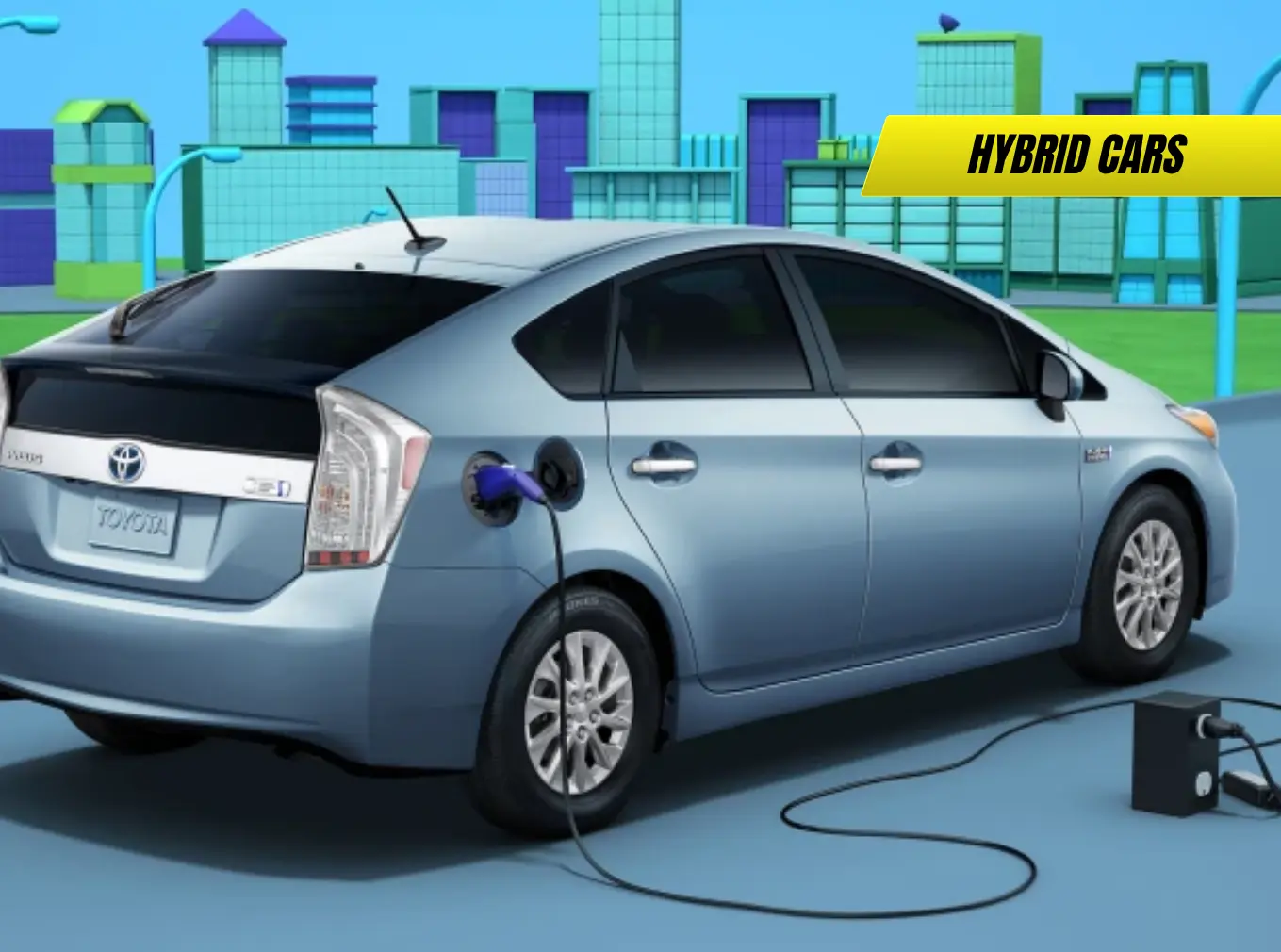
Hybrid cars bridge the gap between petrol and full electric power. In 2025, they remain a smart choice for British drivers who want to cut fuel bills and emissions without relying solely on charging points. With the upcoming 2035 ICE phase-out, the hybrid market is now at its peak—offering efficiency, reliability, and lower road taxes across every price range.
Key Points
- UK hybrid sales up 22% year-on-year in early 2025 (SMMT).
- Average real-world economy: 55–75 mpg.
- Plug-in hybrids (PHEVs) qualify for 2% BiK through April 2025.
- Maintenance costs around 30% lower than petrol equivalents.
- Best 2025 models: Toyota Yaris Hybrid, Honda Civic e:HEV, Kia Niro PHEV, BMW X1 xDrive30e, Mercedes GLC 300e.
What Is a Hybrid Car?
Hybrid cars combine a petrol or diesel engine with one or more electric motors. They fall into three categories:
| Type | Description | Charging Method | Example |
| MHEV (Mild Hybrid) | Small electric boost, no EV-only mode | Self-charging | Ford Puma MHEV |
| HEV (Full Hybrid) | Runs short distances on electricity | Self-charging | Toyota Yaris Hybrid |
| PHEV (Plug-in Hybrid) | Large battery, up to 60 miles EV range | Plug-in charging | Kia Niro PHEV |
Full and plug-in hybrids remain eligible for low tax rates and ULEZ exemption, while mild hybrids reduce emissions but offer minimal electric range.
Why Buy a Hybrid in 2025
- Fuel economy – perfect for mixed urban and motorway use.
- Lower CO₂ output – most models emit under 100 g/km.
- ULEZ compliance – all hybrids meet London and UK city-zone standards.
- No range anxiety – petrol backup ensures continuous mobility.
- Cheaper to maintain – fewer wear parts than diesels.
From my point of view, hybrids are the best transition choice for drivers not yet ready for a full EV.
Best Small Hybrids 2025
| Model | Powertrain | Economy | Price | Notes |
| Toyota Yaris Hybrid | 1.5L + e-motor | 68 mpg | £23,500 | Britain’s hybrid bestseller |
| Honda Jazz e:HEV | 1.5L + dual motor | 62 mpg | £24,000 | Compact, bulletproof reliability |
| Renault Clio E-Tech | 1.6L + 1.2 kWh battery | 64 mpg | £22,995 | Smooth city performance |
| Hyundai Kona Hybrid | 1.6L + 32 kW motor | 60 mpg | £26,500 | Practical small SUV hybrid |
The Yaris Hybrid remains unbeatable for value and efficiency in UK traffic, delivering EV-like behaviour at city speeds.
Best Family Hybrids 2025
| Model | Type | Electric Range | Economy | Price |
| Kia Niro PHEV | Plug-in | 40 miles | 65 mpg | £33,000 |
| Honda Civic e:HEV | Full | – | 60 mpg | £36,000 |
| Toyota Corolla Touring Sports | Full | – | 64 mpg | £32,000 |
| Ford Kuga PHEV | Plug-in | 41 miles | 62 mpg | £38,000 |
| Hyundai Tucson Hybrid | Full | – | 56 mpg | £35,500 |
In mixed driving, plug-in hybrids like the Kuga PHEV can achieve over 200 mpg on short commutes when charged regularly.
Best Premium Hybrids 2025
| Model | Type | Range | Power | Price |
| BMW X1 xDrive30e | PHEV | 54 miles | 326 hp | £45,000 |
| Volvo XC60 T6 Recharge | PHEV | 48 miles | 350 hp | £52,000 |
| Mercedes GLC 300e | PHEV | 83 miles | 381 hp | £60,000 |
| Lexus NX 350h | HEV | – | 244 hp | £49,000 |
| Range Rover Evoque P300e | PHEV | 39 miles | 309 hp | £52,500 |
The Mercedes GLC 300e stands out for its record-breaking electric-only range—over 80 miles WLTP, enough for most daily commutes without touching petrol.
Real-World Running Costs
| Segment | Annual Fuel Spend (12k miles) | Average Insurance | Maintenance | Notes |
| Small hybrid | £700 | £400 | £180 | Urban efficiency |
| Family hybrid | £850 | £520 | £200 | Ideal for suburban use |
| Plug-in SUV | £600 (with charging) | £650 | £250 | BiK-friendly company car |
Plug-in hybrids remain tax-efficient for businesses thanks to the 2% BiK rate and low CO₂ output.
Environmental Impact
All hybrids qualify for ULEZ access and pay reduced road tax (VED):
- MHEV/HEV: £120–£170/year.
- PHEV: often £0–£10 first year if under 50 g/km CO₂.
Hybrids also support the UK’s Zero Emission Vehicle Mandate by helping manufacturers meet fleet CO₂ targets.
Downsides
- Battery adds weight, reducing boot space.
- Plug-in hybrids lose efficiency if not charged often.
- Some models still use CVT transmissions disliked by enthusiasts.
- Fewer government incentives compared to full EVs.
From my point of view, the biggest mistake hybrid owners make is skipping regular charging—especially for PHEVs—turning efficiency into dead weight.
My Point of View
From my point of view, 2025 is the final “golden year” for hybrids before full electrification dominates.
The technology is refined, affordable, and reliable.
For drivers covering 50–100 miles daily or without home charging, a hybrid—especially a self-charging Toyota or plug-in Kia—remains the most rational choice in Britain today.
FAQs
Are hybrids still worth buying in 2025?
Yes. They’re cheaper to run than petrol cars and still qualify for low tax and ULEZ exemption.
What’s the difference between HEV and PHEV?
HEVs charge through braking; PHEVs plug in for up to 60 miles of electric range.
Do hybrids qualify for road-tax exemption?
Only some plug-ins under 50 g/km CO₂ get near-zero VED.
Which hybrid has the best resale value?
Toyota models historically retain over 60% after 3 years.
Will hybrids be banned after 2035?
No—new hybrids with “significant zero-emission capability” will still be allowed until 2035.
In 2025, hybrids remain a cornerstone of the UK car market.
In my experience, they offer the best balance of technology, efficiency, and peace of mind—ideal for drivers transitioning to a fully electric future without compromise.





