
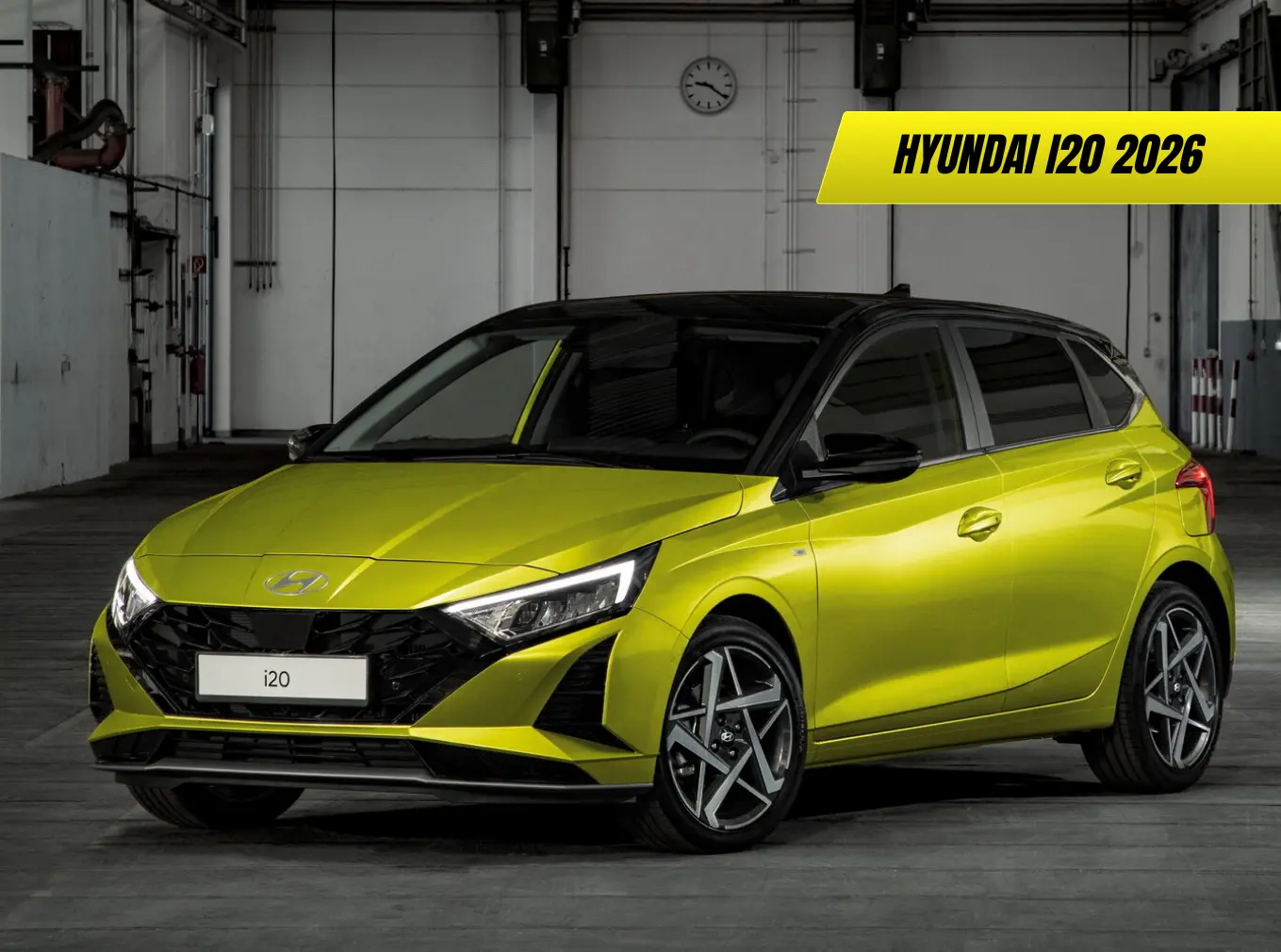
Hyundai i20 N Line 2025 UK review: sporty B-segment hatchback with mild-hybrid power, pricing from £22,700, dynamic handling and how it compares to Ford Fiesta and Volkswagen Polo. The Hyundai i20 N Line 2025 receives a mid-cycle refresh targeting buyers seeking sporty styling and engaging dynamics without graduating to full hot hatch running costs. Available exclusively with a 1.0-litre turbocharged mild-hybrid engine producing 100 hp, it emphasizes value and practicality wrapped in N Line sporting aesthetics. UK pricing starts from approximately £22,700 for the N Line specification with manual transmission, rising to £25,600 for the dual-clutch automatic tested.
Compact dimensions with sporting intent
At 4,080 mm long, 1,780 mm wide and 1,460 mm tall, the i20 occupies traditional B-segment territory with compact city-friendly dimensions. The 2,580 mm wheelbase creates adequate interior space for four adults, whilst the low roofline and long wheelbase emphasize the sporting proportions that define N Line specification. Compared with alternatives like the Ford Fiesta before its discontinuation, the i20 offers more modern technology and contemporary styling.
The facelift brings updated front grille and bumper designs, with the N Line variant adding aggressive lower air intakes, distinctive N Line badging and dedicated 17-inch alloy wheels. Full LED headlights come standard, whilst the low roofline and sculpted flanks create genuinely dynamic proportions. From my perspective, the i20 N Line successfully channels sporting intent without the boy-racer excess that dates quickly, balancing aggression with mainstream appeal.
Sporting cabin with practical technology
The N Line interior distinguishes itself through red accent stitching, perforated leather steering wheel with three-spoke design, N Line branded gear knob, sport seats with dedicated upholstery and aluminum anti-slip pedals. Multicolor ambient lighting allows personalization, whilst automatic climate control comes standard. Build quality employs hard plastics extensively but careful assembly maintains a quality feel, with the sporting details lifting perceived premium versus standard i20 specifications.
Twin 10.25-inch displays serve digital instrumentation and central infotainment functions, both offering clear graphics and intuitive operation. The instrument cluster allows customization showing navigation directions and media information, whilst the touchscreen manages Apple CarPlay and Android Auto connectivity—unfortunately via cable only, without wireless capability. Physical buttons for climate control and key functions maintain usability during driving, though wireless phone charging remains absent even on this higher specification.
Hyundai i20 N Line interior features
| Feature | Specification |
|---|---|
| Displays | Dual 10.25-inch screens (instruments and infotainment) |
| Connectivity | Wired Apple CarPlay/Android Auto, USB-A and USB-C |
| Climate | Automatic single-zone with physical controls |
| Seating | Sport seats with N Line design, red contrast stitching |
| Steering wheel | Three-spoke perforated leather, N Line branding |
Mild-hybrid powertrain efficiency
The i20 N Line employs a 1.0-litre three-cylinder turbocharged engine producing 100 hp and 148 lb-ft of torque, enhanced by 48-volt mild-hybrid assistance. The system enables coasting with engine-off during deceleration, enhanced start-stop functionality and mild torque fill to smooth turbo lag. Paired with a seven-speed dual-clutch automatic transmission, the powertrain delivers 0-62 mph in approximately 12 seconds with a top speed of 113 mph.
Real-world fuel economy achieved 15 km/l (approximately 42 mpg) across 400+ kilometers of mixed UK driving including urban, rural and motorway routes—respectable given the sporting intent and automatic transmission. Official WLTP figures claim 48-56 mpg, with the reality settling predictably below under normal driving conditions. Three drive modes—Eco, Normal and Sport—adjust throttle response and transmission behavior, with Sport mode delivering noticeably sharper reactions when paired with manual paddle control.
Engaging dynamics for the class
The i20 N Line prioritizes driving engagement over pure comfort, employing sport-tuned suspension that transmits road imperfections more directly than softer family hatchbacks. On challenging B-roads, the car responds with precision and confidence thanks to well-weighted steering, capable chassis and sub-1,200 kg kerb weight that aids agility. The car feels genuinely reactive and secure through corners, rewarding enthusiastic driving without the extreme commitment of full hot hatches.
Using the dual-clutch transmission in automatic mode delivers smooth shifts during relaxed driving, though it occasionally hesitates during low-speed maneuvering or when demanding quick kickdowns. Manual mode via steering paddles transforms responsiveness, allowing precise gear selection that maximizes the modest power output. From my experience, the i20 N Line provides genuine driving enjoyment for buyers prioritizing engagement over raw power, accepting firmer ride quality as the trade-off for sporting handling.
Urban practicality and rear space
Despite sporting intent, the i20 remains genuinely practical for urban duties with excellent maneuverability, compact dimensions and adequate visibility. Parking proves straightforward thanks to light steering and the compact footprint, whilst rear parking sensors and camera aid tight spaces—though front sensors remain exclusive to flagship Prime specification. City driving benefits from the mild-hybrid’s coasting capability that cuts engine during deceleration, saving fuel during stop-start traffic.
Rear passenger space accommodates two adults comfortably with adequate knee and headroom, though the central fifth passenger feels cramped due to limited shoulder room and floor tunnel intrusion. Rear occupants get a USB-C charging port but no dedicated air vents. Boot capacity measures 352 litres with seats upright, expanding to 1,165 litres folded—competitive figures for the class, with regular load floor and wide opening simplifying cargo access.
Safety and driver assistance
Comprehensive active safety equipment includes autonomous emergency braking, active lane-keeping with steering correction, adaptive cruise control, blind-spot monitoring and parking assistance. The systems function effectively though occasionally feel intrusive, particularly lane-keeping on narrow British roads where tight lanes trigger frequent corrections. Rear parking camera and sensors come standard, though front sensors require the higher Prime specification.
The ADAS suite provides genuine protection despite occasional over-sensitivity, maintaining safety standards expected in modern vehicles. For understanding UK driving regulations, guides to UK speed camera regulations 2025 provide comprehensive coverage of current enforcement practices.
UK pricing and equipment levels
The i20 range starts from £19,900 for base specification, with the N Line mild-hybrid manual commanding £22,700. The dual-clutch automatic tested adds approximately £2,900, bringing pricing to £25,600—competitive against rivals offering similar equipment and performance. Standard N Line equipment includes 17-inch alloys, full LED lights, sport seats, dual 10.25-inch displays, automatic climate control and comprehensive safety systems.
Five-year/unlimited-mileage warranty leads the mainstream segment, providing exceptional peace of mind versus three-year coverage from European rivals. This extended protection significantly enhances ownership confidence for buyers planning longer ownership periods or higher annual mileages.
Running costs and ownership considerations
Real-world testing achieved approximately 15 km/l (42 mpg) in mixed driving, translating to around 14p per mile at current UK fuel prices of £1.40 per litre. Insurance groups sit around 12-15 depending on specification, keeping premiums reasonable for younger drivers and families. Service intervals follow Hyundai’s standard schedules, with fixed-price servicing plans available to control maintenance costs.
The mild-hybrid system requires no plug-in charging infrastructure, operating transparently during normal driving whilst delivering modest efficiency improvements versus non-hybrid equivalents. For information about UK road charging, guides to UK toll roads and charges 2025 cover motorway service costs.
How it compares to key rivals
The i20 N Line battles the Volkswagen Polo GTI, Toyota Yaris and Mazda 2 for sporty small hatchback buyers. The VW offers more power and prestige but costs significantly more, whilst the Toyota counters with superior hybrid efficiency at the expense of driving engagement. Against the Mazda 2, the Hyundai provides more technology and longer warranty coverage.
From my assessment, the i20 N Line suits buyers who prioritize driving enjoyment and modern technology over maximum power or brand prestige, accepting firmer ride quality for engaging handling dynamics missing from comfort-focused rivals.
Frequently asked questions
Is the i20 N Line genuinely sporty?
The sport suspension, responsive steering and light weight create genuinely engaging dynamics on challenging roads, though 100 hp limits outright performance. It provides real driving enjoyment without the running costs and insurance premiums of full hot hatches, balancing practicality with sporting character.
What is the real-world fuel economy?
Testing achieved approximately 15 km/l (42 mpg) across mixed UK driving, rising to 18 km/l (51 mpg) on steady motorway cruises and dropping to 12 km/l (34 mpg) in predominantly urban use with spirited driving. The mild-hybrid system delivers modest efficiency gains versus non-hybrid equivalents.
Is the dual-clutch automatic worth the extra cost?
The seven-speed DCT adds smoothness during relaxed driving and convenience in urban traffic, though manual mode via paddles is essential to exploit full performance. The £2,900 premium suits buyers prioritizing comfort, whilst enthusiasts may prefer the manual’s lower cost and greater control.
How does it compare to the previous i20 N?
The full i20 N offered 204 hp and genuine hot hatch performance but has been discontinued. The N Line provides sporting aesthetics and improved dynamics versus standard i20 without the extreme performance, insurance costs and fuel consumption of the full N model.
Is rear space adequate for families?
Two adults fit comfortably in the rear with moderate front seat positioning, whilst three squeeze in for shorter trips. Boot capacity of 352 litres handles weekly shopping and sports equipment, though families needing maximum space should consider larger alternatives like the Hyundai Tucson.
What warranty does Hyundai provide?
Five years with unlimited mileage leads the mainstream segment, significantly exceeding three-year coverage from most European rivals. This extended protection provides exceptional ownership security for buyers planning longer ownership or higher annual mileages.
What are common dashboard warning lights?
Like all modern vehicles, the i20 features comprehensive warnings for service needs and faults. UK drivers should understand indicators including the spanner warning light for maintenance intervals and handbrake warning light which may indicate brake system issues.
The Hyundai i20 N Line 2025 delivers genuine driving enjoyment wrapped in practical B-segment packaging, targeting buyers who want sporting character without full hot hatch compromises. It excels on challenging roads where responsive handling and light weight shine, though firmer suspension transmits imperfections more directly than comfort-focused rivals. For UK buyers seeking an engaging daily driver with modern technology, long warranty coverage and reasonable running costs, the i20 N Line represents one of the segment’s strongest all-round packages, particularly in manual specification that maximizes driver involvement whilst minimizing costs.





