The used-car advert gives you one conspicuous number: the asking price. It does not show how much of that money you may recover when you sell, or what it will cost to keep the car on the road. UK buyers should calculate depreciation alongside insurance, fuel or charging, vehicle tax, maintenance, repairs and possible clean-air-zone charges. That broader approach is set out in MoneyHelper’s guide to car-running costs and reflected in written evidence published on the UK Parliament website.
Depreciation is the value the car loses
Depreciation is the fall in a car’s market value as it gets older and covers more miles. It is usually fastest during the early years, although the rate varies between models, specifications, condition, mileage, market demand and wider market conditions. Auto Express explains how future residual values are calculated.
Buying used usually means the steepest initial drop in value has already been absorbed by the first owner. It does not, however, make the car depreciation-free. The value it is likely to retain during your ownership still affects the true cost of the purchase.
Depreciation is not normally a separate monthly bill. It is the money you do not get back when you eventually sell or trade in the car, so it needs to be treated as a planned ownership cost rather than ignored.
How to estimate depreciation
For a practical estimate, use the car’s current value rather than its original new-car list price:
Estimated depreciation over your ownership = price paid today − expected sale or trade-in value at the end of ownership
To compare cars over different ownership periods, divide that result by the number of years you expect to keep the vehicle:
Estimated annual depreciation = total estimated depreciation ÷ planned ownership period in years
The calculation should be based on what the car is worth when you buy it now. The previous owner’s depreciation is not automatically your cost, even if the vehicle’s original list price was much higher.
A simple worksheet might look like this:
| Input | Your figure |
|---|---|
| Price or current market value today | £____ |
| Expected sale or trade-in value | £____ |
| Planned ownership period | ____ years |
| Estimated depreciation | £____ in total |
| Estimated annual depreciation | £____ per year |
The difficult part is choosing the future value. Look for comparable cars with a similar model, age, mileage, specification and condition, then allow for the possibility that market demand will change. A range is more useful than a highly precise single figure: use a cautious resale estimate as well as an optimistic one.
There is no universal depreciation percentage that works for every used car. A desirable model with strong demand can follow a very different pattern from an unpopular or heavily depreciating one.
Once depreciation has been estimated, add the costs that will affect your own driving:
- Insurance: obtain a quote for the exact car before committing to the purchase, rather than relying on a generic average.
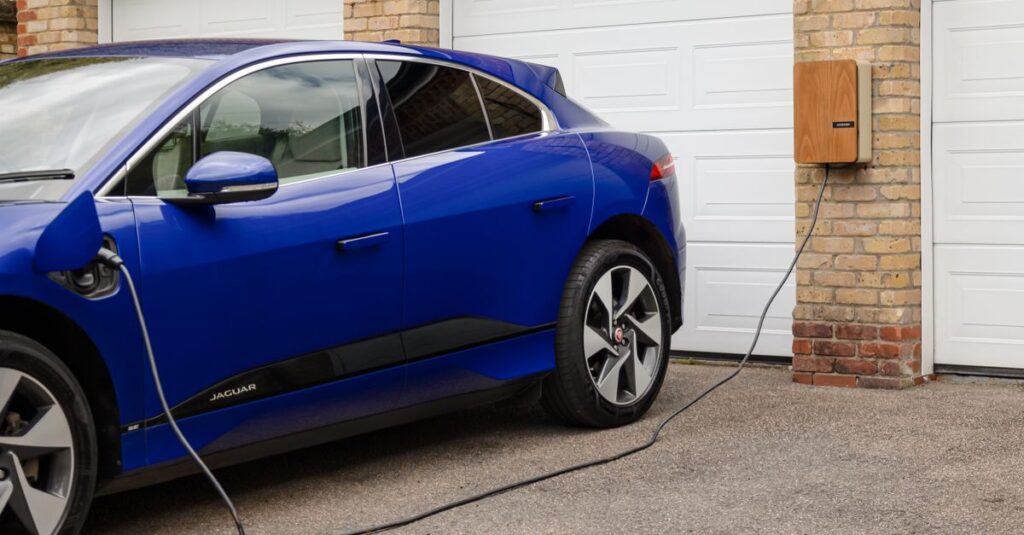
- Fuel or charging: estimate your annual mileage and the energy cost associated with it. Petrol, diesel and electric cars can have very different running-cost profiles.
- Vehicle tax: check the tax position for the particular car. Do not assume that two similarly priced used cars will have the same tax cost.
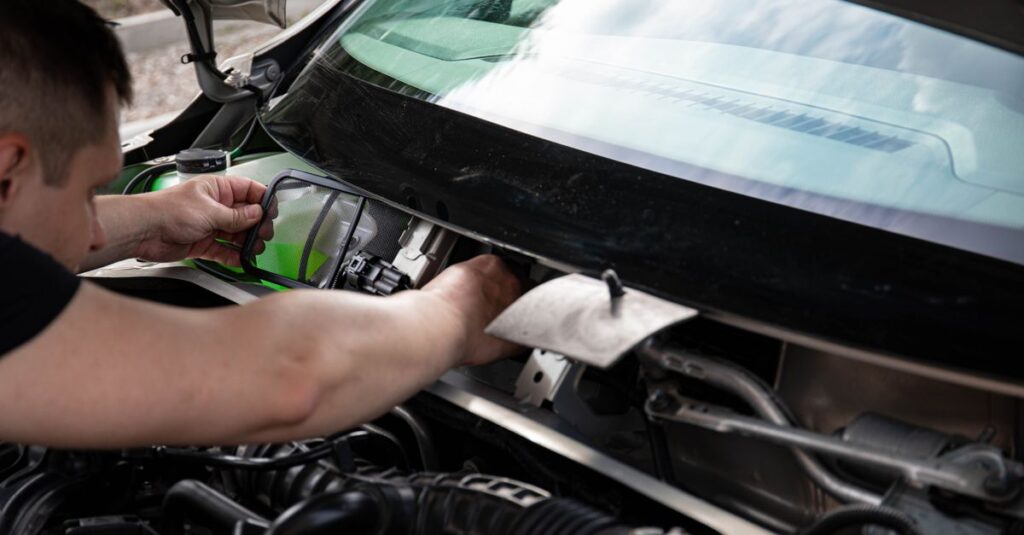
- Maintenance and repairs: budget for routine servicing as well as unexpected work. The car’s age, condition and history can affect the risk, but no inspection can guarantee that repairs will not arise.
- Clean-air-zone charges: if your regular journeys enter a zone, check whether the vehicle could incur a charge. These costs depend on both the vehicle and where it is driven, so they should not be treated as a UK-wide fixed amount.
The result is a more realistic annual comparison:
Annual ownership estimate = depreciation + insurance + fuel or charging + vehicle tax + maintenance and repairs + relevant clean-air-zone charges
Some costs will be irregular rather than monthly. It is still useful to set aside an annual allowance for them, while keeping one-off repair risks visible instead of hiding them in a single average.
Compare cars over the same period
A lower advertised price does not automatically mean a lower-cost car. One vehicle may cost less to buy but lose more value before you sell it. Another may cost more initially yet retain more of its value, or have lower insurance, energy or repair costs.
For a fair comparison, use the same planned ownership period and approximate annual mileage for each car. Then compare the estimated annual depreciation with the other ownership costs. If you expect to keep one car for three years and another for five, calculate both on an annual basis rather than comparing their total figures directly.
Remember that depreciation is an estimate, not a guaranteed resale price. Changes in demand, the car’s condition, its mileage and the wider used-car market can all alter the eventual result.
A used-car buyer’s checklist
Before paying a deposit, record:
- The price you will pay and the car’s age, mileage, specification and condition.
- A realistic expected sale or trade-in value at the end of your planned ownership.
- Total and annual depreciation using the formula above.
- An insurance quote for that exact vehicle.
- Expected annual fuel or charging costs based on your mileage.
- Vehicle tax, likely maintenance and repair costs.
- Any clean-air-zone charges on the journeys you regularly make.
The best-value used car is not necessarily the one with the lowest advert price. It is the one whose expected loss of value and running costs fit your budget over the period you actually intend to own it.