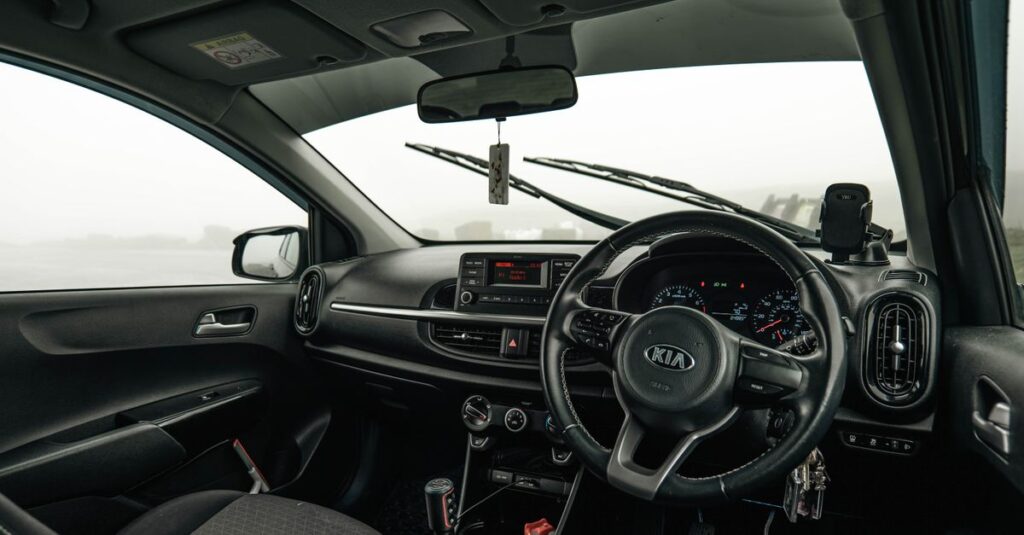
A dashcam can be useful evidence after a collision. It may help an insurer assess what happened and could make claims handling quicker, but it is not an automatic decision on fault and does not guarantee a favourable outcome, according to Aviva’s consumer guidance.
That makes the way footage is handled important. UK drivers should put safety first, preserve the original recording and be careful about where it is shared.
A dashcam is evidence, not a verdict
Footage can give an insurer a clearer account of the incident, particularly when the circumstances are disputed. However, a recording is only part of the evidence and does not determine liability on its own.
Drivers should therefore avoid assuming that a short clip automatically proves another motorist was responsible. The full, unedited recording is more useful than a selectively trimmed video prepared for social media.
Deal with danger before the camera
Immediately after a collision, deal with any immediate danger and medical needs before trying to retrieve, copy or submit dashcam footage. Safety guidance from The Car Expert and Minton Morrill puts people ahead of the recording.
If reaching the camera or its memory card would put anyone at further risk, leave it until the scene is safe. The footage is important only after immediate safety concerns have been addressed.
Preserve the original recording
Once it is safe to do so, keep the original file and the relevant footage from before and after the impact. Road Accidents’ guidance warns against relying only on a clipped or edited version.
The practical approach is to preserve the unedited recording before sending anything to an insurer or another organisation. A short extract may omit the surrounding context that helps explain how the collision developed. If a copy is supplied, retain the original rather than treating the exported clip as the only version.
Tell your insurer, even if you are not claiming yet
A driver should notify their insurer after an accident in line with the policy’s requirements, even if they do not initially plan to make a claim. They should also tell the insurer that relevant dashcam footage exists. This is the guidance provided by National Accident Helpline and AXA.
Do not wait until a disagreement develops before checking what the policy requires. After notifying the insurer, follow its instructions for supplying the recording and keep the original file available.
Using a dashcam is not the same as publishing footage
Aviva’s guidance says dashcams are legal to use in the UK. Publicly sharing a recording is a separate issue, however. Footage showing identifiable people or vehicles, or capturing audio, can create privacy concerns.
For an insurance or police investigation, the normal approach is to provide the footage through an appropriate channel rather than posting it publicly. Road Accidents advises drivers on who to send footage to, while Aviva also highlights the privacy risks of sharing recordings more widely.
That does not mean every recording must be treated in the same way. The privacy considerations depend partly on whether the footage is being retained for a claim, supplied to an insurer or police force, or published for anyone to view. Drivers should avoid assuming that a public upload is the best way to submit evidence.
A sensible order of action after a collision
- Deal with immediate danger and medical needs first.
- When it is safe, preserve the original dashcam file.
- Keep relevant footage from before and after the impact.
- Notify the insurer according to the policy, even if a claim is not yet intended.
- Tell the insurer that dashcam footage exists and follow its submission instructions.
- Use appropriate insurer or police channels instead of automatically publishing the recording.
A dashcam can help establish what happened, but it works best as carefully preserved supporting evidence. It cannot replace safe conduct at the scene, the insurer’s investigation or a decision based on all the available information.
Source 1 · Source 2 · Source 3 · Source 4 · Source 5 · Source 6 · Source 7 · Source 8